Unlock Your Muscles.
Shield Their Future.
Break free from the painful, rigid muscle spasms of a stroke or the paralyzing cycle of chronic migraines. Our precision-guided Medical Botox interventions provide localized relief without the 'zombie' side effects of oral medications.
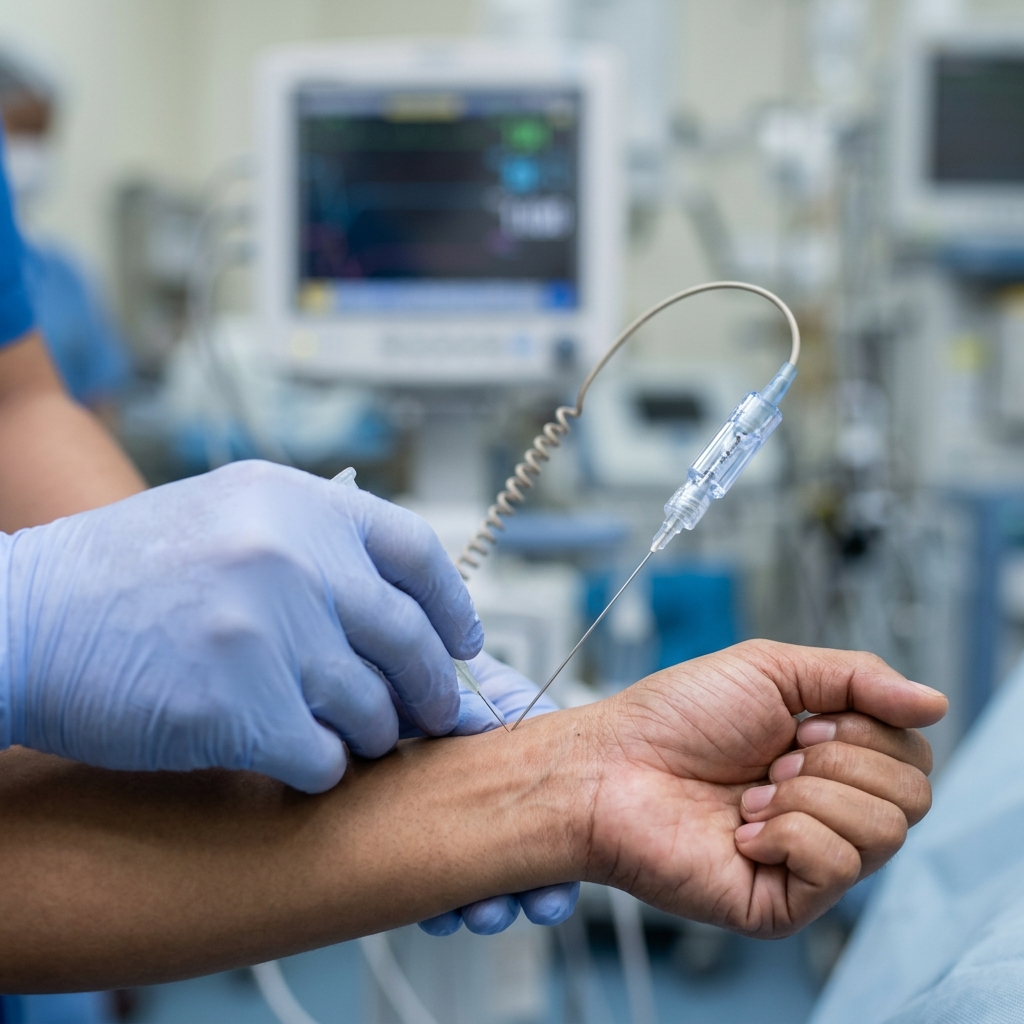
What is Medical Botox for Spasticity & Migraine?
When you hear "Botox," you likely think of cosmetic treatments. However, in physiatry, Botulinum Toxin Type A is a powerful, globally recognized medical intervention for neurological recovery. Following a stroke or brain injury, the brain loses the ability to tell certain muscles to relax, resulting in painful, involuntary stiffness—a condition known as spasticity.
Medical Botox acts as a "chemical key." When injected precisely into the overactive muscle, it temporarily blocks the signals that cause the spasm. Unlike oral muscle relaxants that travel through your entire bloodstream and cause brain fog, Botox works only where it is injected. This "unlocks" the limb, providing a critical window for intensive physical therapy to rewire the brain and restore movement.
Conditions We Actively Manage with Botox
Is Medical Botox Right for Your Recovery?
Ideal indications
You have a clenched fist or stiff leg that prevents you from dressing or walking.
You suffer from chronic migraines and are exhausted by daily painkillers.
You experience 'dynamic' spasticity (where the joint can still be moved).
You want to avoid the cognitive side effects of systemic muscle relaxants.
Clinical precautions
You have a 'fixed' joint contracture (the joint is frozen and cannot be moved).
Systemic neuromuscular disease like ALS or Myasthenia Gravis.
Generalized weakness without a specific focal muscle spasm.
Active infection at the proposed injection site.
The Realities of Medical Botox Therapy
Medical Botox is a strategic intervention, not a one-time 'cure.' We prioritize clinical transparency for our neurological patients:
The 3-6 Month Window
The effects are temporary. As the body sprouts new nerve endings, spasticity may slowly return, typically requiring sessions every 3 to 4 months.
Precision Guidance is Non-Negotiable
Injecting 'blind' wastes medication. We use EMG (listening to muscle signals) to ensure the toxin is deposited at exactly the right epicenter.
Therapy is the Master Key
Botox opens the door, but physical therapy drives the healing. You must engage in intensive rehab while the muscles are relaxed to maximize neuroplasticity.
Botox vs. Oral Muscle Relaxants
Oral Muscle Relaxants
Pills that travel through your entire body and brain to reach the target muscle.
Precision Medical Botox
Localized injection that relaxes ONLY the specific muscle causing the problem.
The 3 Stages of Botox Recovery
The Binding Phase
No immediate change. The toxin is chemically binding to your nerve endings. Continue your standard exercises.
Peak Relaxation
Your 'Golden Window.' Spasms decrease, limbs open easily, and migraines shield up. This is the time for maximum PT intensity.
Assessment Phase
As the body heals, stiffness may return. We reassess your function for the next precision session.
Clinical Science & Technical Details
For our medical colleagues and highly analytical patients, we provide these transparent technical details on the pathophysiology and interventional protocols.
Explore the Clinical Science: SNAP-25 and Neuromuscular Blockade
The physiological mechanism of Botulinum Toxin Type A involves the cleavage of the SNAP-25 protein within the presynaptic terminal of the neuromuscular junction.
This inhibits the release of acetylcholine, effectively 'taking the brakes off' a spastic limb. By reducing hypertonia locally, we minimize the velocity-dependent stretch reflex associated with Upper Motor Neuron Syndrome.
Detailed Diagnostic Pathways: Selective Muscle Targeting in Stroke
In post-stroke 'flexor synergy,' we selectively target the Pectoralis Major, Biceps Brachii, and Flexor Digitorum. This specific targeting improves caregiver hygiene and prevents fixed joint contractures.
For lower limb spasticity, we target the Gastrocnemius and Tibialis Posterior to restore a plantigrade foot position, which is essential for safe weight-bearing and gait training.
Managing Chronic Migraine: Blocking the Calcitonin Gene-Related Peptide (CGRP)
For chronic migraine (15+ days/month), Botox is injected into 31 specific sites across the head and neck. It is believed to inhibit the release of peripheral nociceptive neurotransmitters.
By silencing the overactive pain networks, Botox prevents the 'central sensitization' that makes migraines so debilitating, effectively raising the patient's pain threshold for months at a time.
Preventing Fixed Contractures: The Critical Window for Intervention
Spasticity is a dynamic state that can evolve into a fixed structural contracture if left untreated. Once the joint is frozen and muscles have fibrotically shortened, Botox is no longer effective.
Early intervention with Medical Botox and simultaneous serial casting or intensive stretching is the only clinical pathway to prevent permanent orthopedic deformity after a brain injury.
Medical Botox & Neurological Guides
Comprehensive resources for stroke recovery, chronic migraine prevention, and spasticity management.
Stroke & Locked Limbs
Unlocking clenched fists and stiff muscles: How Botox enables stroke rehabilitation.
Chronic Migraine Relief
Shift from treatment to prevention: How Botox acts as a shield against daily headaches.
Cerebral Palsy & Dystonia
Managing scissoring legs and neck spasms: Botox for complex neuro-muscular conditions.
Botox vs. Oral Relaxants
localized relief vs. 'zombie' side effects: Why targeted injections bypass brain fog.
EMG-Guided Precision
Why listening to muscle signals ensures perfect placement and maximizes clinical results.
Medical Botox Cost PH
2026 pricing and clinic guide for migraine and spasticity Botox in the Philippines.
Matigas na Kamay (Stroke)
Lunas sa hindi maibukang kamay. Botox bilang pampaluwag ng muscle (Tagalog).
Iniksyon sa Migraine
Laging masakit ang ulo? Advanced medical shield para sa matinding migraine (Tagalog).
Magkano ang Botox?
Presyo ng medical Botox sa Vigan City. EMG-guided clinic para sa iwas-hilo.
Our Precision 'Guidance-First' Pathway
Neuromuscular Mapping
Dr. Rabara performs a clinical assessment and reflex test to pinpoint the exact 'offending' muscles causing the stiffness.
EMG-Guided Injection
We use Electromyography (EMG) to 'listen' to the muscle's electrical noise, ensuring the needle is perfectly placed before injecting.
The Rehab Window
Within 10-14 days, your limb will relax, opening a 3-month 'golden window' for intensive neuro-rehabilitation therapy.