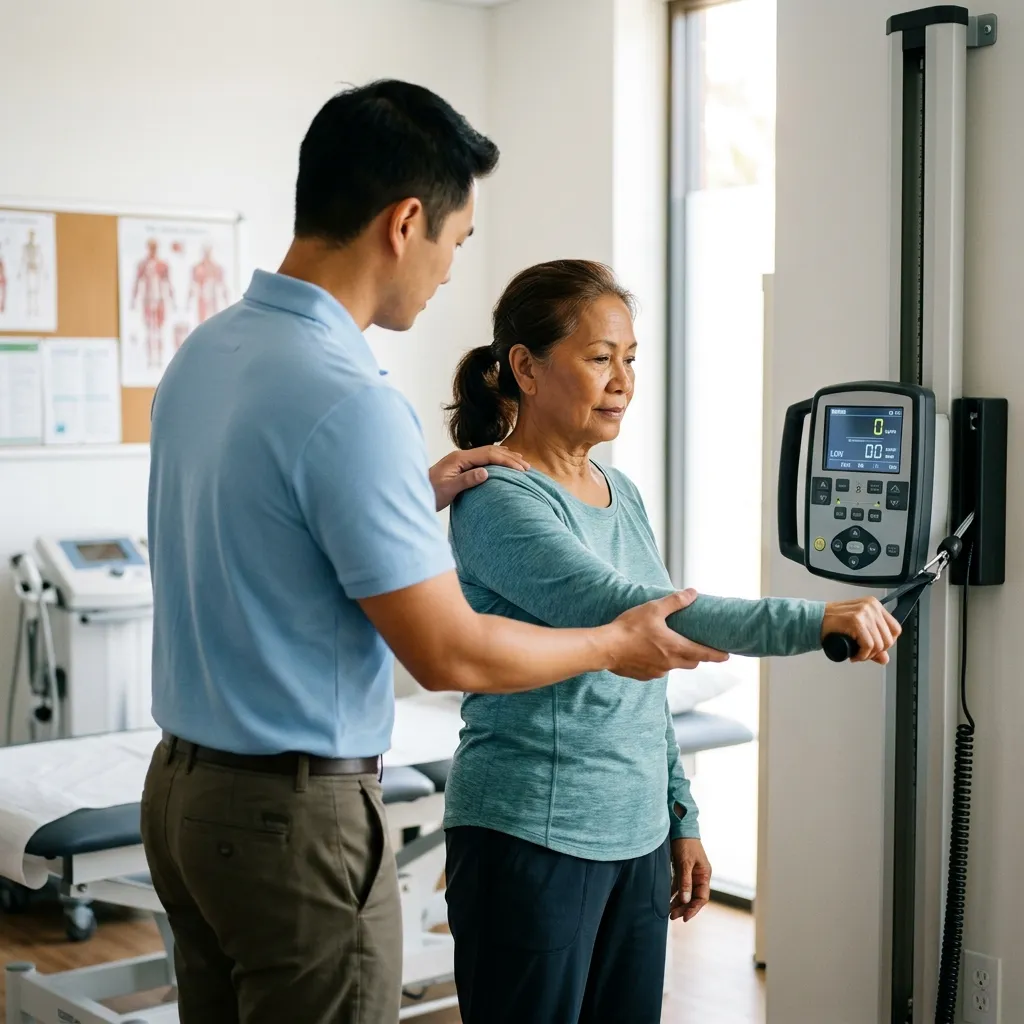
- — How to make bones stronger is usually a combined plan: adequate nutrition, safe progressive loading, fall-risk reduction, and review of medical factors that can weaken bone.
- — Calcium supplements for adults are not automatically better than food. A clinician can help decide whether a supplement is needed, which product is appropriate, and whether it is safe with your medicines and kidney health.
- — Vitamin D for bones matters when intake or vitamin D status is inadequate, but more is not automatically better and a supplement cannot replace the rest of a bone-health plan.
- — Osteoporosis diet and exercise support bone health but do not replace assessment or prescription treatment when fracture risk is high.
If you are asking how to make bones stronger, the most useful answer is not a single supplement or “superfood.” Bone strength is influenced by nutrition, muscle loading, hormones, medicines, previous fractures, balance and the conditions in which you live. A balanced eating pattern, appropriate weight-bearing and resistance activity, fall-risk reduction and a clinical review can work together. The right combination depends on your age, health, symptoms and fracture risk.
How to make bones stronger with nutrition and movement?
Start by finding out whether the question is prevention, a new low-density result, a previous fragility fracture, or a concern about a medicine or medical condition. Those situations can look similar in a search result but need different decisions. Osteoporosis is not diagnosed from a feeling or from diet alone; it is assessed using bone density and clinical risk. Central DXA is a standard way to measure bone mineral density, while history and examination help identify fractures, falls and secondary causes (Anam et al., 2021; PMID: 34688418).
A realistic first plan often includes enough energy and protein, calcium from food when possible, vitamin D adequacy, gradual strengthening, weight-bearing activity that matches your ability, balance practice and smoking or alcohol review. The purpose is to support bone and reduce falls without turning exercise into a test of willpower. If activity causes new focal pain, a sudden loss of function or a possible fracture, stop and seek medical assessment.
In my clinic, I first ask what the person wants to keep doing and what has changed: a sharp or dull back pain, a stiff morning, a sudden fall, or fear of lifting. That conversation helps separate a general prevention question from a problem that needs examination before exercise or supplements are changed.
How can calcium supplements for adults fit into bone-health planning?
Calcium is a mineral used by the body for more than bone. The practical question is usually whether your total intake is adequate and whether there is a reason to add a supplement. Calcium supplements for adults are not automatically safer or more effective than food. A clinician may review your usual meals, kidney function, kidney-stone history, medicines and any other products you take before recommending one.
Food-first planning can be easier to sustain. Depending on your diet and tolerance, sources may include milk, yogurt, cheese, calcium-fortified alternatives, tofu made with calcium, or fish where the edible bones are part of the meal. Some leafy greens contain calcium, although the amount absorbed differs between foods. A registered dietitian can help if lactose intolerance, food insecurity, swallowing difficulty, kidney disease or an eating disorder makes the plan harder.
Do not stack several multivitamins, antacids and bone products without checking the labels. The total amount may be higher than you realize, and supplements can interact with medicines or be unsuitable for some kidney conditions. The aim is to correct an identified gap, not to take the largest dose available.
What does vitamin d for bones mean for nutrition and testing?
Vitamin D helps the body handle calcium and is part of bone-health planning, but “more” is not the same as “better.” Vitamin D status can be affected by diet, sun exposure, skin coverage, age, absorption, kidney or liver disease, and medicines. Some people need a blood test or a clinician’s review; others may only need advice about ordinary intake.
Use one coordinated list of supplements. Check the label of calcium, vitamin D, multivitamins and combination products before adding another bottle. High-dose schedules should be prescribed or supervised, especially if you have kidney disease, a history of kidney stones, abnormal calcium, sarcoidosis or medicines that affect calcium balance. A vitamin D product cannot compensate for inadequate protein, unsafe exercise, repeated falls or an untreated medical cause of bone loss.
The evidence supports vitamin D sufficiency as part of broader fracture prevention, alongside a balanced diet and regular weight-bearing exercise (Rizzoli et al., 2021; PMID: 34242583). It does not support promising that one vitamin will rebuild bone for every person.
Is an osteoporosis diet enough to strengthen bones?
An osteoporosis diet is best understood as a pattern rather than a menu. It can provide protein, calcium and vitamin D while also supplying fruit, vegetables and enough energy to maintain muscle and daily function. A review of nutrition and bone health describes balanced intake, adequate protein and calcium, vitamin D sufficiency and regular weight-bearing activity as general measures for fragility-fracture prevention (Rizzoli et al., 2021; PMID: 34242583).
Diet is not a substitute for risk assessment. If you have osteoporosis, a low-trauma fracture, marked weight loss, prolonged restrictive eating, early menopause, long-term steroid use or another medical risk, nutrition may need to sit beside medication and a supervised exercise plan. The right treatment depends on the full fracture-risk picture, not on a supplement advertisement.
Be cautious with claims that a food, herb or “detox” can dissolve osteoporosis. Research on phytoestrogens and other supplements is mixed, and promising findings do not establish a safe replacement for proven care (Kaczmarski et al., 2025; PMID: 40219889). Ask what outcome was studied: a blood marker, a bone-density number, a fracture, or simply a laboratory mechanism. These are not interchangeable.
Which foods rich in calcium support bone health?
Foods rich in calcium can be selected around your culture, budget and tolerance. Dairy foods are convenient sources for many people. Calcium-fortified plant drinks, tofu made with calcium, some small fish eaten with bones and selected greens can also contribute. Read local labels because fortification differs, and do not assume that every plant drink has the same calcium content.
- Choose a regular source of protein at meals, such as fish, eggs, beans, tofu, dairy or another tolerated option.
- Include vegetables and fruit instead of relying on a single “bone food.”
- If you avoid dairy, ask a dietitian how to replace both calcium and protein rather than replacing only one.
- If appetite, swallowing, digestion or finances limit food choices, say so directly; a safe plan must work in real life.
Other minerals and vitamins are part of overall nutrition, but that is not a reason to self-prescribe a large supplement stack. The best supplement choice still depends on the person, the total diet, medicines and the quality of the evidence.
| Part of the plan | Useful question | Safety boundary |
|---|---|---|
| Food | Does the usual diet provide enough energy, protein and calcium? | Do not remove major food groups without a replacement plan. |
| Vitamin D | Is intake or vitamin D status likely to be inadequate? | Check total products before using a high-dose schedule. |
| Exercise | What loading, strength and balance work matches current ability? | Progress gradually and stop for new severe pain or loss of function. |
| Clinical review | Could a fracture, medicine or medical condition change the plan? | A supplement or online exercise post cannot replace assessment. |
Which weight bearing exercise for osteoporosis is appropriate?
Weight-bearing exercise means your body works against gravity while standing or moving. Walking may be a reasonable starting point for some people, while others may need a more structured program. It is not automatically safe to begin running, jumping, weighted-vest work or deep loaded bending after a low-density result. Pain, prior vertebral fracture, balance, strength, vision, foot problems and technique change the starting point.
Ask a rehabilitation professional to check the movement you plan to repeat. A safe program may combine walking or another upright activity, resistance work, balance training, posture practice and a home fall-prevention plan. Progress is usually a change in quality, control, tolerance or load over time—not a race to the heaviest weight.
Do not use community exercise comments as your prescription. If you have a known fracture, sudden back pain, loss of height, new groin or hip pain, or pain that does not settle, seek clinical review before increasing impact. Exercise is valuable, but an unsafe progression can create a fall or injury.
How can strength training bone density support loading?
Strength training bone density discussions often focus on the idea that muscles apply useful loading to bone. The principle is reasonable, but the plan must be individualized. Start with a movement you can control, use a progression that fits your symptoms and supervision, and include the everyday tasks that matter to you. Strength training can also improve confidence and function, which may help reduce fall risk even when a bone-density scan does not change quickly.
Do not promise that a short program will reverse osteoporosis. Exercise research includes different populations, doses and outcomes, and bone-density change is only one part of fracture risk. A study protocol is not automatically a universal home program.
People with restrictive eating, very low energy availability or menstrual changes need a broader assessment. The female athlete triad links low energy availability, menstrual dysfunction and low bone mineral density, and management may require medical, nutrition and mental-health support rather than “training harder” (Daily and Stumbo, 2018; PMID: 30401345).
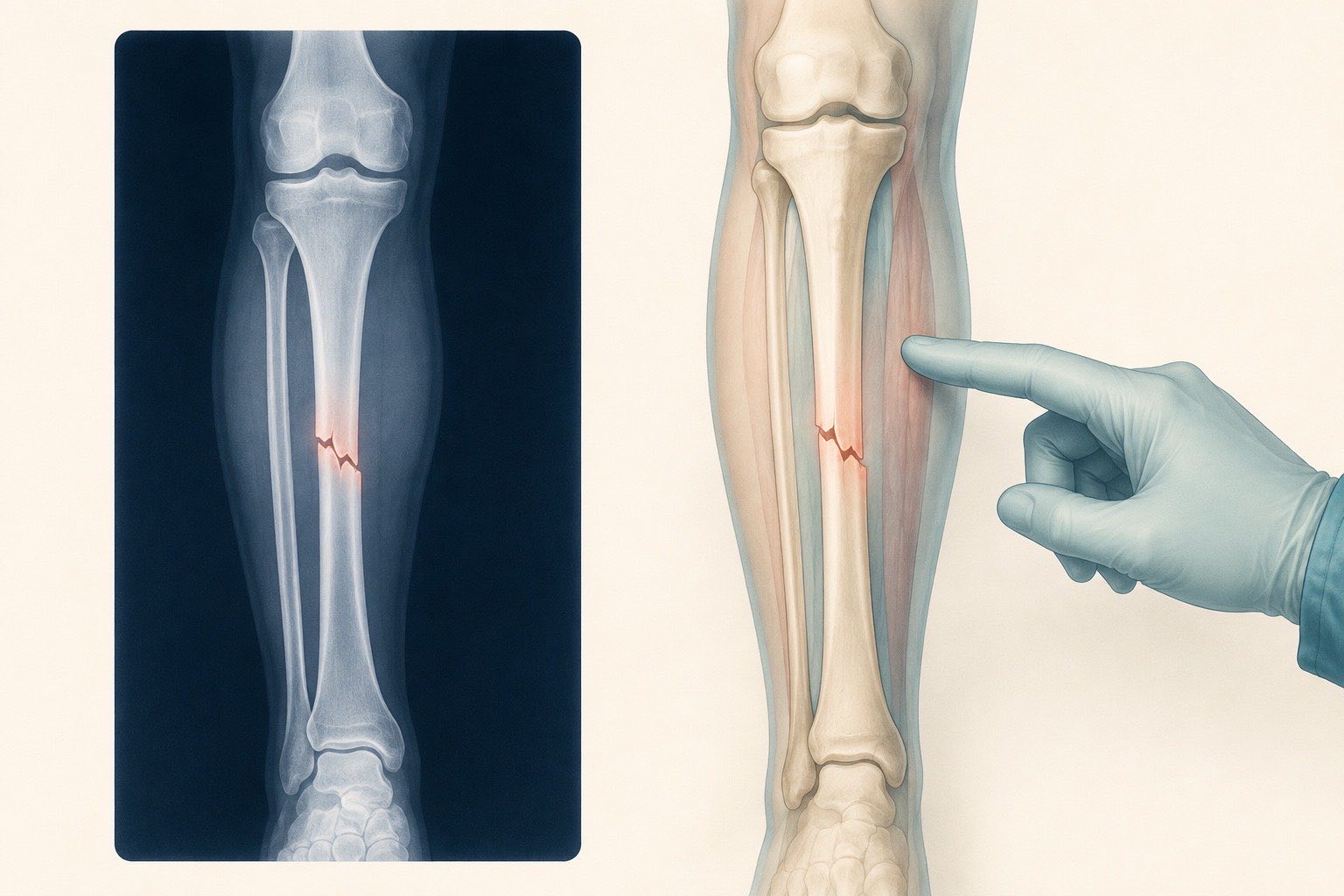
When should nutrition and exercise be reviewed by a clinician? Arrange a bone-health assessment after a low-trauma fracture, a concerning bone-density report, unexplained height loss or back pain, repeated falls, early menopause, prolonged restrictive eating, long-term medicines that affect bone, or a medical condition that changes calcium or vitamin D balance. A clinician may decide whether you need a bone density test, blood tests, medication review, fall-risk assessment or supervised rehabilitation.
Bring your supplement bottles or a written list, your fracture history, the report from any previous scan, and the activities you want to keep doing. The most useful plan is one that protects independence and can be followed at home, not one that simply sounds comprehensive online.
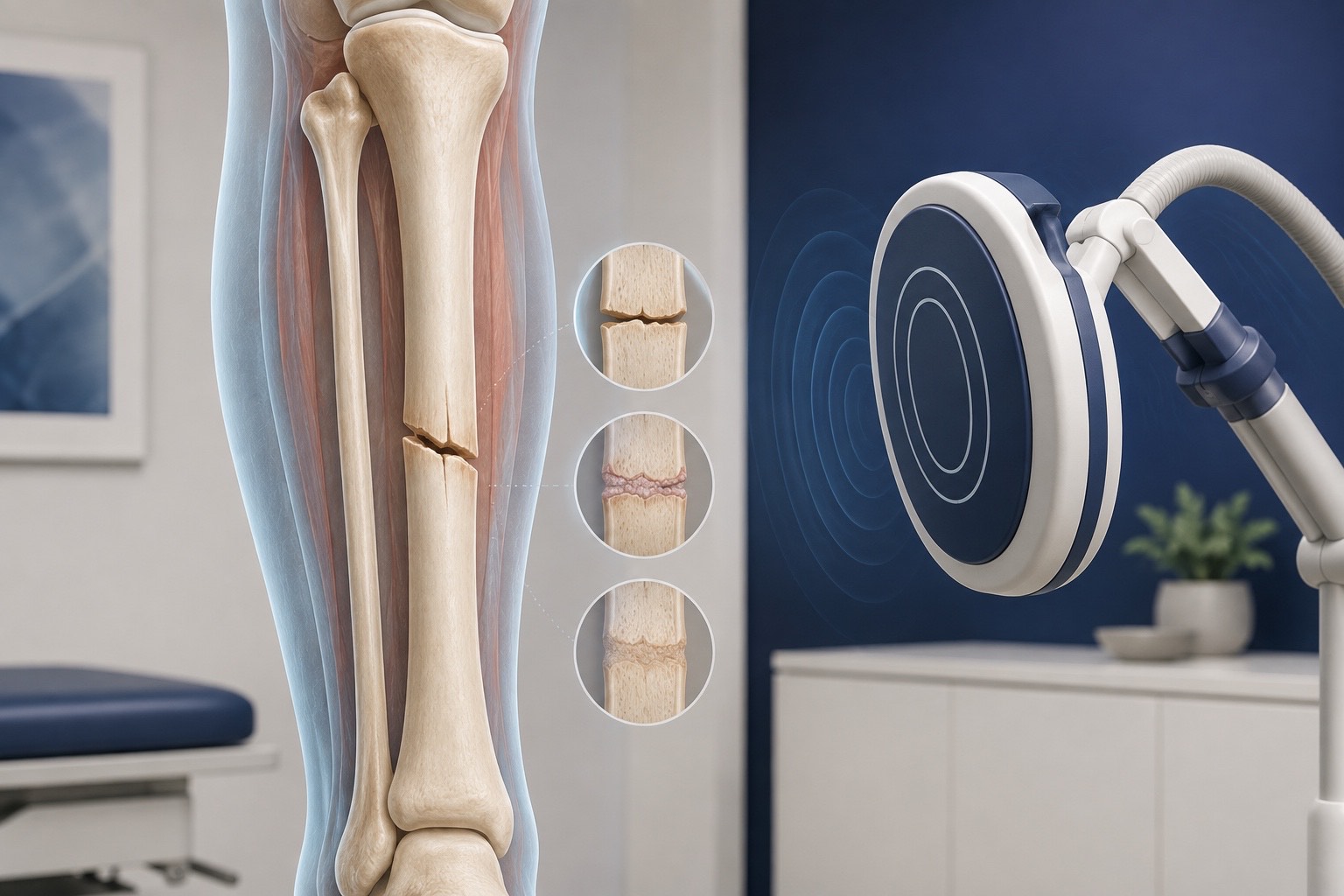
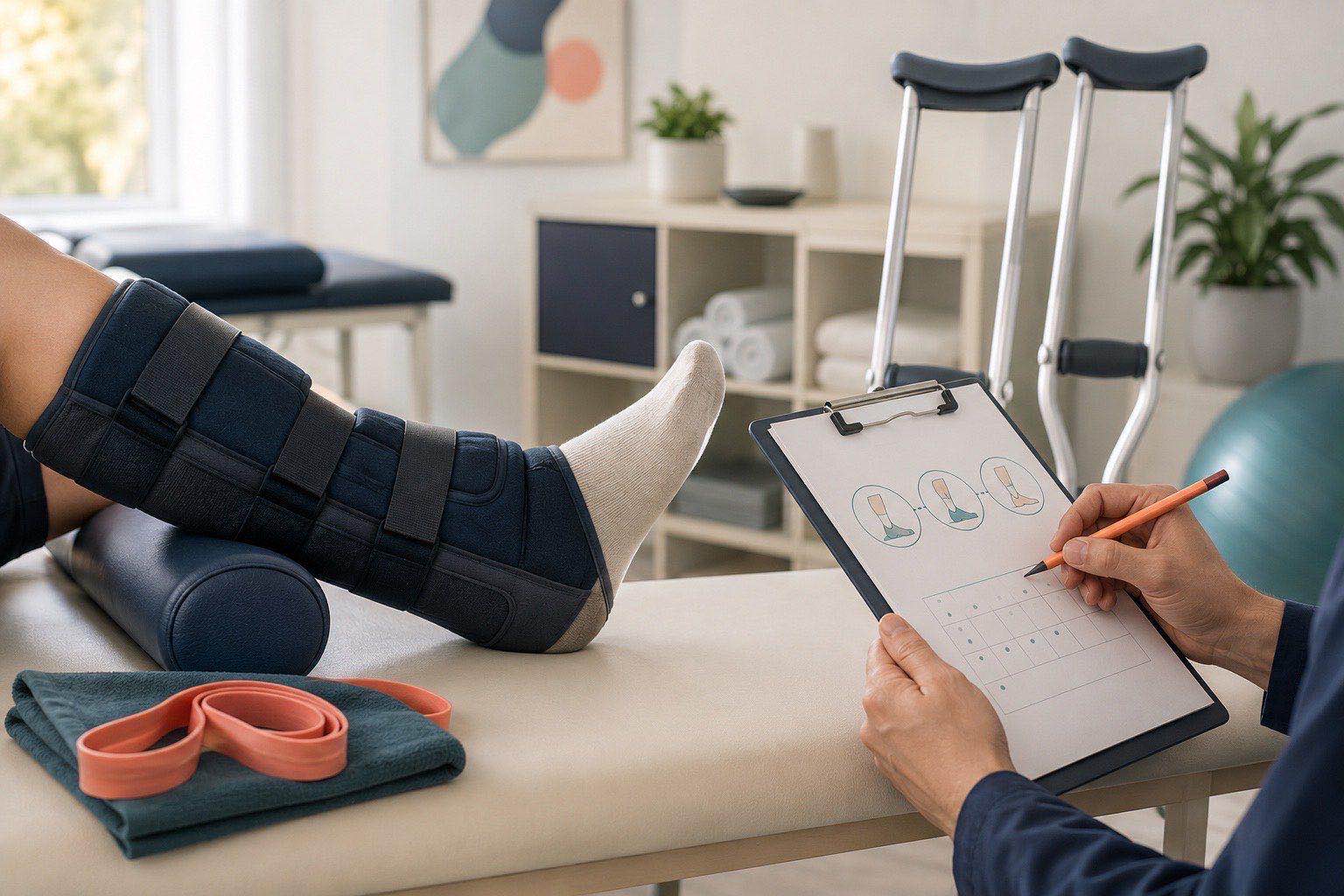
Need a practical bone-health plan?
A Vigan rehabilitation assessment can connect nutrition, strength, balance, fracture risk and everyday goals before you change supplements or exercise.
When should I seek urgent help? Seek urgent care for a major fall, sudden severe back or hip pain, inability to stand or bear weight, new weakness or numbness, or a limb that looks shortened or deformed. Do not wait for an online booking when a fracture or other emergency may be present.
Bone strength is a whole-person plan
The safest plan connects food, loading, medical risk and daily function.
Food is one part
Protein, calcium, vitamin D and an overall balanced diet support bone health, but food alone cannot explain every fracture or low-density result.
Loading must be safe
Bones and muscles respond to appropriate activity, but the starting point depends on pain, fracture history, balance, strength and technique.
Risk changes the plan
Menopause, low energy availability, medicines, falls, kidney disease and previous fractures can change which next step is safest.
References & Clinical Evidence
- [1] Rizzoli R, Biver E, Brennan-Speranza TC. Nutritional intake and bone health. Lancet Diabetes Endocrinol. 2021;9(9):606-621. PMID: 34242583. https://pubmed.ncbi.nlm.nih.gov/34242583/
- [2] Anam AK, Insogna K. Update on Osteoporosis Screening and Management. Med Clin North Am. 2021;105(6):1117-1134. PMID: 34688418. https://pubmed.ncbi.nlm.nih.gov/34688418/
- [3] Akid I, Doberman DJ. Bone Health. Clin Geriatr Med. 2021;37(4):625-638. PMID: 34600731. https://pubmed.ncbi.nlm.nih.gov/34600731/
- [4] Daily JP, Stumbo JR. Female Athlete Triad. Prim Care. 2018;45(4):651-665. PMID: 30401345. https://pubmed.ncbi.nlm.nih.gov/30401345/
- [5] Kaczmarski M, et al. Phytoestrogens in osteoporosis. Wiad Lek. 2025. PMID: 40219889. https://pubmed.ncbi.nlm.nih.gov/40219889/
* Clinical references are provided to support the medical claims made in this article. TeraCare adheres to evidence-based practices in physical medicine and rehabilitation.

Dr. Ben Rabara
Dr. Ben Rabara is a Board-Certified Physiatrist specializing in Physical Medicine and Rehabilitation. He focuses on non-surgical, precision treatments for musculoskeletal conditions, utilizing advanced diagnostics like MSK Ultrasound.
Medical Disclaimer: The information provided in this article is for educational purposes only and does not substitute for professional medical advice, diagnosis, or treatment. Always consult a qualified physician for your specific health conditions.