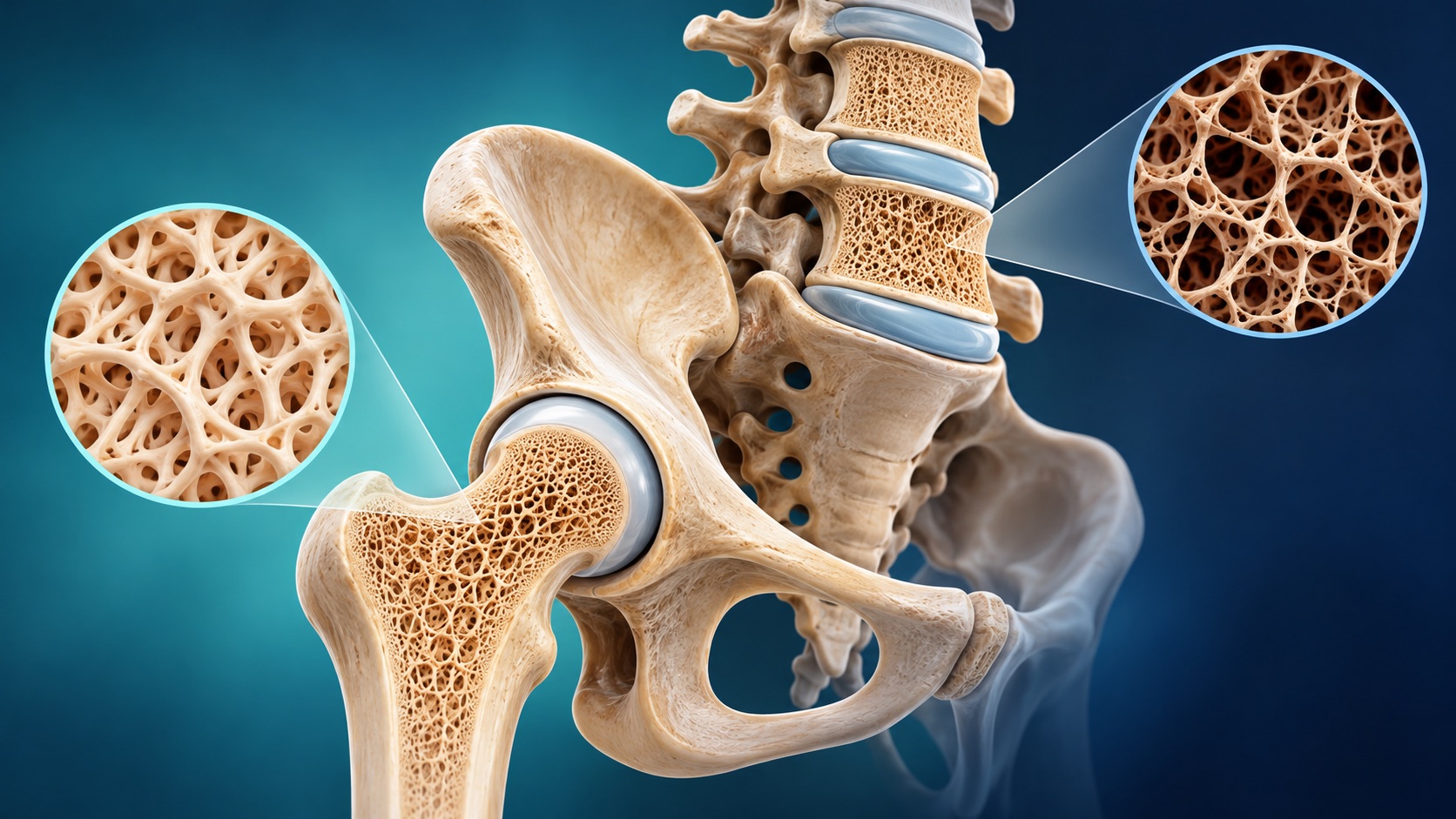
- — Osteoporosis can sometimes improve on a bone-density measurement, but “reverse it naturally” is not the same as curing it. The safer goal is to reduce fracture risk with a plan matched to the person’s risk, causes, preferences and follow-through.
- — Osteoporosis treatment guidelines consider more than a T-score. Previous fractures, age, falls, medicines, other health conditions, BMD or FRAX context and secondary causes can change the treatment discussion.
- — Natural measures such as adequate nutrition, vitamin D correction, strength and balance work, fall prevention and stopping smoking can support care. They do not replace medication when fracture risk is high.
- — A recent low-trauma fracture, new focal back or hip pain, loss of height, repeated falls or new weakness needs assessment before changing medication or increasing exercise.
When a report says osteopenia or osteoporosis, many people ask the same practical question: “Can I reverse this naturally, or do I need medicine?” That question often carries fear of side effects, worry about cost, regret about past diet or exercise, and uncertainty about whether a fracture could happen next. I separate four ideas before discussing treatment: preserving bone, improving a bone-density measurement, reducing fracture risk, and claiming a cure. They are related, but they are not the same outcome.
Osteoporosis is a condition in which bone strength is reduced and fracture risk is higher. Osteopenia describes a lower bone-density range that is not as low as osteoporosis. Neither label, by itself, tells me the whole treatment plan; I typically combine the scan with fracture history, falls, medicines, medical conditions and day-to-day function.
For a patient in Vigan or a nearby Ilocos community, a good plan also has to fit transport, family support, work, food access, follow-up and the ability to take a medicine correctly. The Philippine osteoporosis guideline addresses screening, prevention, diagnosis, pharmacologic and nonpharmacologic treatment, fracture care, follow-up and continuity of care for postmenopausal women and older men (Li-Yu et al., 2025; PMID: 41357038). It gives a local framework, but it does not turn an online article into an individual prescription.
Can osteoporosis be reversed, or can treatment mainly slow bone loss?
Osteoporosis can sometimes improve on a bone-density measurement, but I do not describe that as a guaranteed cure. My first goal is to reduce the person’s chance of a serious fracture by identifying risk, correcting treatable contributors, choosing an appropriate treatment when needed and maintaining a plan that can be monitored. A higher BMD number can be encouraging, but it does not erase a previous fracture, fall risk or a medicine that weakens bone.
Bone is living tissue. It is constantly being removed and rebuilt. With osteoporosis, the balance between resorption and formation can become unfavorable, and the internal scaffold can become less strong even when the outside shape of a bone looks normal. Treatment may slow resorption, support formation, reduce falls or improve the person’s ability to respond safely to daily loads. Those effects are clinically meaningful even when a scan does not return to a young-adult reference value.
The phrase “reverse osteoporosis naturally” also needs careful translation. A balanced diet, adequate protein, correction of calcium or vitamin D deficiency, progressive strengthening, balance practice, smoking cessation and fall prevention can support bone and function. They cannot reliably replace medication for a person at high fracture risk. If a fracture has already occurred after a minor fall, doing nothing because the goal is “natural” can leave the main risk untreated.
How should I understand how to reverse osteoporosis naturally?
Natural measures are best understood as risk-reduction habits and supportive treatment, not as a single home remedy. I ask what the person is already eating, whether they avoid food groups, whether vitamin D or calcium deficiency is possible, how often they fall, and what movement they can perform without losing balance. I also ask about medicines, kidney disease, thyroid or parathyroid problems, early menopause, low body weight and other possible causes of bone loss.
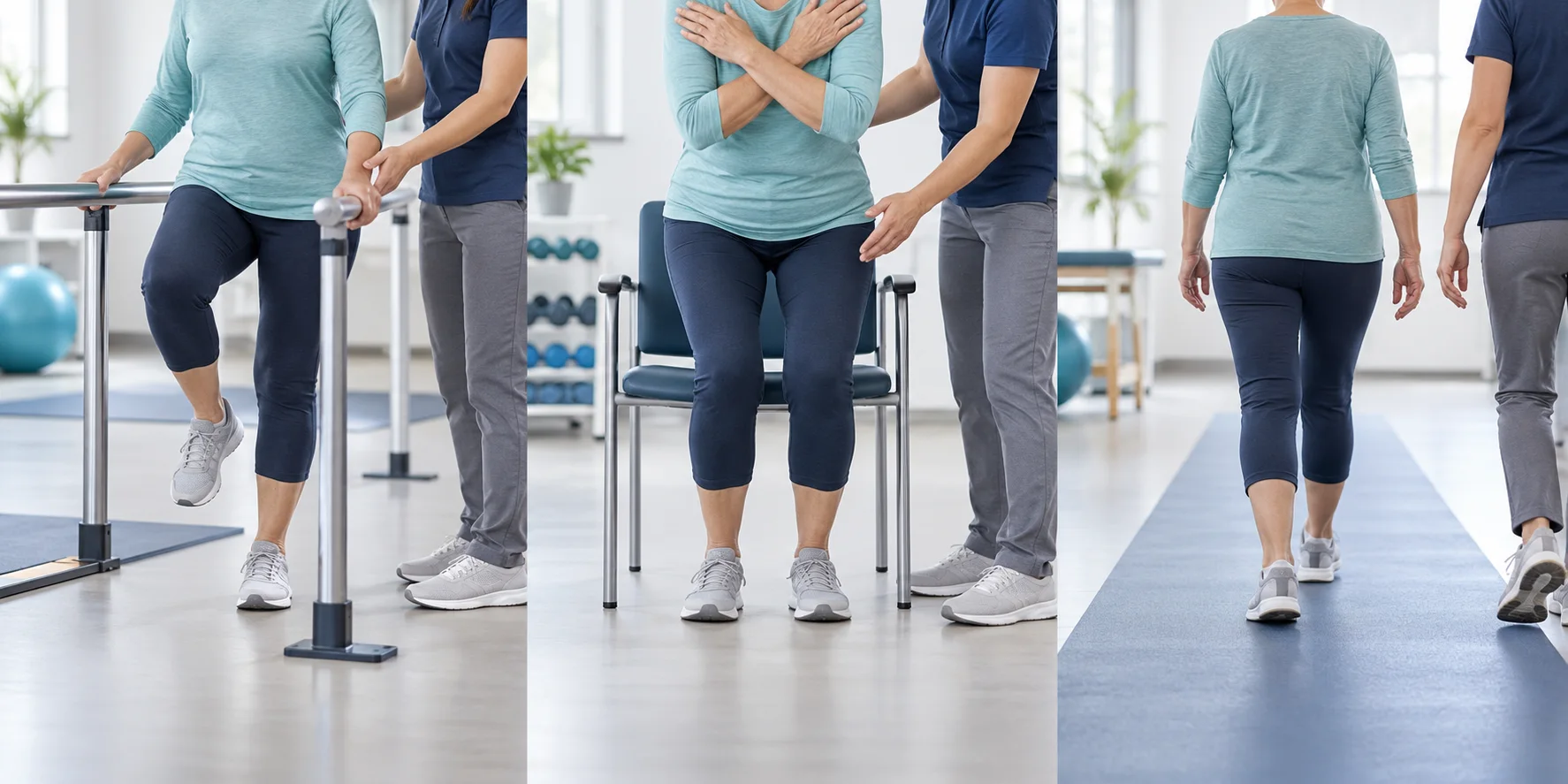
Exercise needs the same distinction. The evidence supports bone-loading activity and progressive resistance in selected people, but an exercise category is not a personal dose. Impact, resistance, loaded bending and balance work may need modification for frailty, osteoarthritis, vertebral fracture, neurological disease or poor vision. The safe plan is shaped by the person’s current capacity and fracture risk, not by the most impressive routine online.
A common misconception is that “natural” and “medical” are opposites. In practice, the safest osteoporosis plan often combines both. Nutrition, movement and fall prevention address modifiable contributors. A medication may be added because the person’s fracture probability is high enough that lifestyle measures alone do not provide adequate protection. The decision is not a moral judgment about willpower; it is a risk-management decision.
What do osteoporosis treatment guidelines consider before medication?
Osteoporosis treatment guidelines consider fracture history, age, BMD or other fracture-risk information, falls, medicines, medical conditions, kidney and calcium status, suspected secondary causes, life stage and the person’s preferences. In the Philippines, the current guideline was developed for local prevention and management of primary osteoporosis and fragility fractures, with recommendations spanning screening, diagnosis, pharmacologic and nonpharmacologic treatment, surgery, follow-up and continuity of care (Li-Yu et al., 2025; PMID: 41357038).
A T-score is useful, but it is not the entire decision. A person with a prior fragility fracture may need a different conversation from someone with an incidental borderline result and no fracture history. A person who falls repeatedly may need balance and home-safety work even if the scan is unchanged. A person with a possible secondary cause may need laboratory review before a long-term plan is finalized.
In my clinic, I also examine what could prevent a technically correct plan from working: difficulty swallowing a tablet, inability to attend frequent visits, poor hand strength, fear of injections, dental concerns, cost, travel or an unclear follow-up pathway. Those details do not replace risk assessment. They help choose an option that is both medically defensible and realistic.
| Question | Why it matters | What to discuss |
|---|---|---|
| Has a low-trauma fracture occurred? | It can indicate a higher fracture-risk category. | Urgency, treatment intensity and fracture follow-up. |
| Can the plan be followed safely? | Administration, transport and side effects affect real-world benefit. | Options, monitoring, support and what happens if a dose is missed. |
| What else raises risk? | Falls, medicines and medical causes may need attention alongside bone density. | A combined plan for bone health, function and fall prevention. |
What osteopenia treatment options may prevent progression?
Osteopenia treatment options usually begin with understanding total fracture risk rather than reacting to the label alone. I review the scan site and quality, previous fractures, falls, age, medicines, nutrition, weight, menopause or hormonal history, and conditions that affect bone. The plan may include nutrition correction, safe resistance and balance training, fall prevention, management of a secondary cause, monitoring, or medication when the overall risk is high enough.
Osteopenia is not a promise that a fracture will never happen, and it is not automatically osteoporosis. It is also not a reason to stop moving. The right response may be to strengthen the person’s ability to climb stairs, carry groceries, recover from a trip and get up from the floor safely. Those functional gains can matter even when the next scan changes little.
For the scan itself and the difference between osteopenia and osteoporosis, use the companion DEXA guide in the bone-health hub. This page adds the next decision: what the result means for treatment, risk and follow-up.
How does medical management of osteoporosis reduce fracture risk?
Medical management of osteoporosis may use an antiresorptive medicine, a bone-forming medicine, or a planned sequence depending on fracture risk and the person’s medical profile. The treatment is chosen to change bone remodeling and reduce fracture risk, not simply to make a report look better. High-risk and very-high-risk groups may need different strategies, and treatment sequencing can matter after a medicine is stopped.
A postmenopausal treatment position statement describes bisphosphonates and denosumab as first-line options for high-risk groups and anabolic medicines such as teriparatide or romosozumab for very-high-risk groups, followed by antiresorptive therapy to maintain gains (Park et al., 2023; PMID: 38073262). That statement is evidence for a risk-stratified framework, not a prescription for every reader. Kidney function, calcium status, dental and other medical issues, contraindications, local availability and follow-up all matter.
The Filipino osteoporosis decision-aid study is useful because it names the practical factors patients need to compare: efficacy, administration method, frequency, side effects, cost and individualized fracture risk (Roxas et al., 2020; PMID: 33442174). I would rather spend time explaining those trade-offs than label one drug “the best.” The most effective option on paper may be a poor choice if it cannot be taken safely or followed consistently.
What should postmenopausal osteoporosis treatment take into account?
Postmenopausal osteoporosis treatment should account for fracture history, BMD, age, falls, kidney function, calcium and vitamin D status, other medicines, possible secondary causes, administration preferences and the person’s ability to return for monitoring. Menopause is one part of the risk story, not the whole diagnosis. A clinician may also ask about weight change, nutrition, steroid exposure, thyroid disease, family history and previous low-trauma fractures.
A treatment conversation should include what happens if a dose is missed, what side effects need attention, whether stopping or changing the medicine requires a transition plan, and how follow-up will measure response. Do not start, stop or switch osteoporosis medication because of a social-media account or because one day of symptoms feels different.
In provincial care, the most defensible option may be the one that balances risk reduction with transport, family help, cost and the person’s ability to follow instructions. Current drug prices, reimbursement and facility availability vary, so they must be verified directly rather than copied into an educational page.
How do calcium, vitamin D, exercise, and fall prevention fit into treatment?
Nutrition, vitamin D correction, exercise and fall prevention form the foundation around medical treatment. A systematic review of osteoporosis guidelines found frequent recommendations for vitamin D, calcium plus vitamin D and exercise, with additional attention to protein, fall risks, coffee, alcohol and tobacco (Coronado-Zarco et al., 2019; PMID: 31728423). These measures support health; they do not prove that a supplement alone can reverse osteoporosis.
Exercise should match the person’s fracture history and function. A position statement reports that bone responds positively to impact activities and progressive resistance, while also emphasizing comorbidity and safety. It specifically notes that loaded spine flexion may not be appropriate and that impact may need modification in osteoarthritis or frailty (Beck et al., 2017; PMID: 27840033). That is why I do not give one exercise list to every person with a low BMD result.
Practical fall prevention may include vision review, footwear, lighting, handrails, balance work, medication review and a plan for getting up safely after a trip. The goal is not to make a person afraid of normal movement. The goal is to reduce avoidable high-risk situations while building strength and confidence.
When does fracture history change the treatment plan?
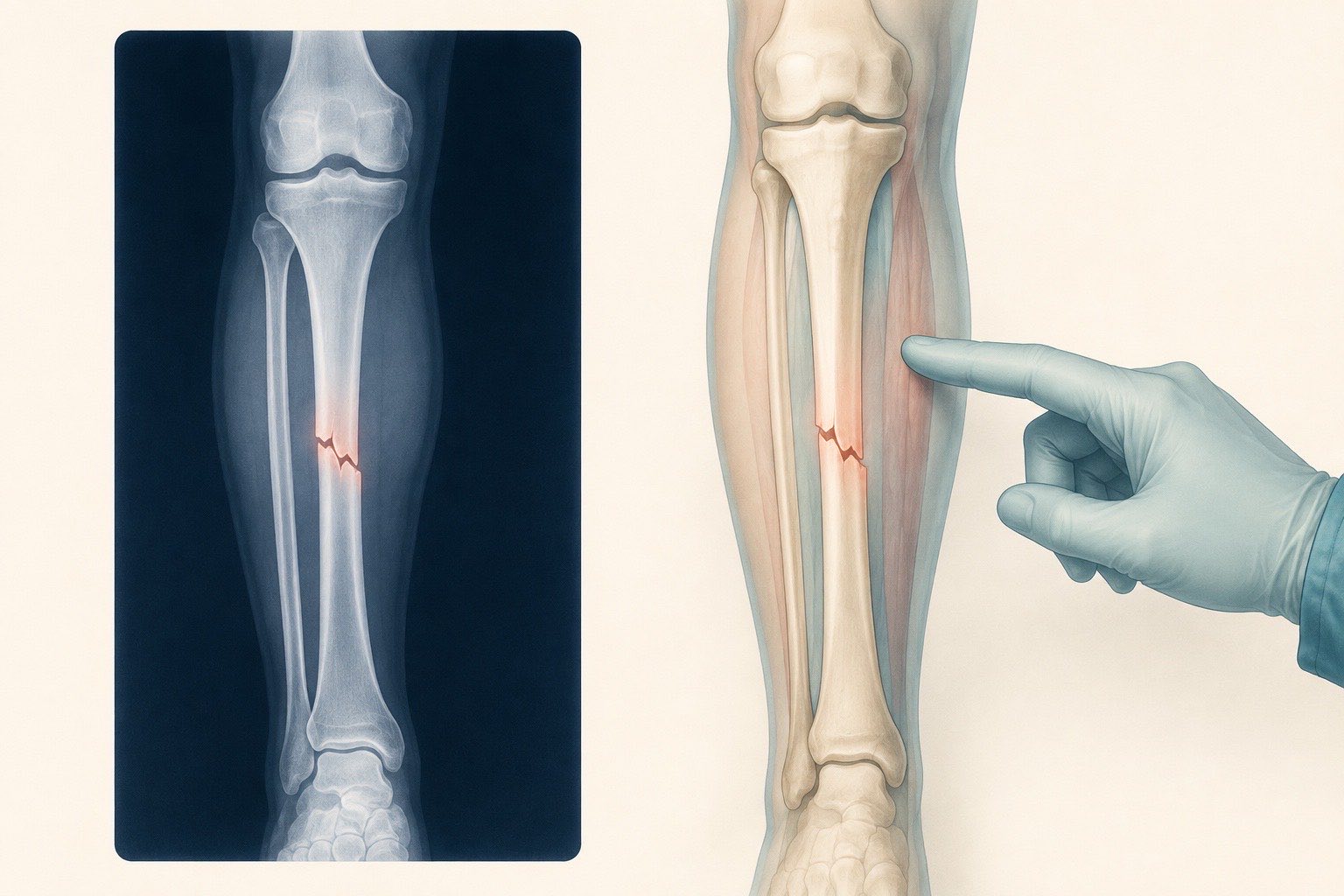
A low-trauma fracture, a sudden focal back or hip pain, new loss of height, repeated falls or inability to bear weight changes the urgency of the plan. A person with suspected vertebral or hip fracture should not test a new exercise routine at home. A new fracture can signal a higher risk of another fracture, so assessment should address both the injury and the underlying bone-health plan.
Seek prompt medical care for severe pain after a fall, a new deformity, inability to stand or walk, new weakness or numbness, or pain that is escalating rather than settling. A routine appointment can be appropriate for a stable report question, but it is not a substitute for urgent evaluation of a suspected fracture.
How is osteoporosis treatment monitored over time?
Monitoring asks whether the plan is being followed, tolerated and matched to the person’s current risk. Follow-up may review new fractures, falls, pain, height or posture change, medicine adherence, calcium or vitamin D issues, kidney or other safety information, and whether the person can keep moving safely. A scan is one tool in that process, not the only outcome.
Improvement may mean no new fracture, better balance, safer transfers, stronger muscles, fewer falls, stable bone density or a treatment change that reduces risk. A scan can change because of technical factors, and a stable scan is not automatically treatment failure. The interpretation depends on timing, site, measurement precision and the clinical question.
When should I seek a PM&R or bone-health assessment?
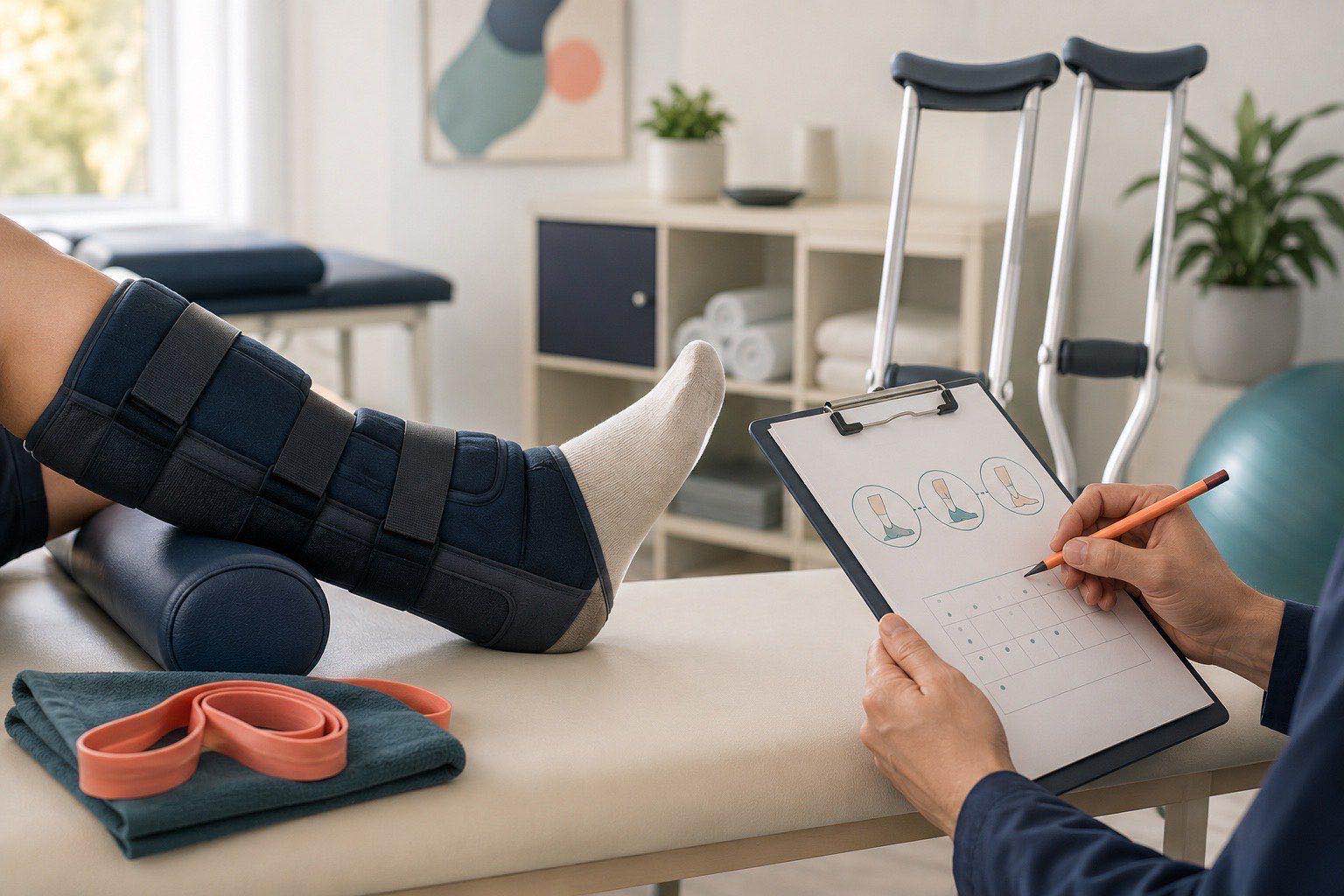
A PM&R assessment can help when a bone-health result is confusing, when a fracture or fall has changed daily function, or when you need a safe plan for strength, balance and movement. I focus on the connection between skeletal risk and function: how you walk, transfer, lift, reach, recover from a trip, manage pain and carry out the tasks that matter to you.
Bring one complete scan report, one current medicine and supplement list, the fracture history, and a 7-day note of falls or symptoms. Write down 3 questions about side effects or follow-up. Pain may feel sharp, dull, radiating, stiff, heavy, tingling, burning, catching or grinding; describing the pattern helps the clinician decide how urgently to assess it. I recommend sharing the practical limits that may affect follow-up. If you live outside Vigan, the plan should consider travel, family support and what can be done safely at home between visits.
Need help deciding what the result means?
A Vigan PM&R assessment can connect fracture history, bone-health treatment questions, balance, strength and realistic follow-up.
Bottom line: Osteoporosis is not managed by chasing the word “reverse” or by choosing between natural care and medical care. The safer approach combines fracture-risk assessment, treatment of correctable causes, nutrition, movement, fall prevention, shared medication decisions and follow-up. If a fracture or warning symptom is possible, seek assessment before changing activity or treatment.
“Reverse” is not the same as “cure”
The useful treatment question is how to reduce fracture risk safely, not how to chase one perfect scan number.
Risk comes before the label
A fracture, fall pattern, medicines and other health conditions can matter as much as a bone-density category.
Natural measures are supportive
Food, vitamin D correction, strength, balance and fall prevention form part of care but do not replace indicated medication.
Treatment is a sequence
The right plan includes selection, follow-up, adherence and reassessment rather than a one-time decision.
References & Clinical Evidence
- [1] Li-Yu J, Sison-Aguilar A, Tabu I, et al. Philippine Clinical Practice Guidelines on Screening, Diagnosis, Management and Prevention of Primary Osteoporosis and Fragility Fractures Among Postmenopausal Women and Older Men. J ASEAN Fed Endocr Soc. 2025. PMID: 41357038. https://pubmed.ncbi.nlm.nih.gov/41357038/
- [2] Roxas M, Jimeno C, Palileo-Villanueva L, et al. Development of a Patient Decision Aid for the Treatment of Osteoporosis Among Filipino Postmenopausal Women. J ASEAN Fed Endocr Soc. 2020. PMID: 33442174. https://pubmed.ncbi.nlm.nih.gov/33442174/
- [3] Beck BR, Daly RM, Singh MA, Taaffe DR. Exercise and Sports Science Australia position statement on exercise prescription for the prevention and management of osteoporosis. J Sci Med Sport. 2017. PMID: 27840033. https://pubmed.ncbi.nlm.nih.gov/27840033/
- [4] Coronado-Zarco R, Olascoaga-Gómez de León A, García-Lara A, et al. Nonpharmacological interventions for osteoporosis treatment: Systematic review of clinical practice guidelines. Osteoporos Sarcopenia. 2019. PMID: 31728423. https://pubmed.ncbi.nlm.nih.gov/31728423/
- [5] Park SY, Kim SH, Lee YK, et al. Position Statement: Postmenopausal Osteoporosis Treatment Strategies in Korea. J Bone Metab. 2023. PMID: 38073262. https://pubmed.ncbi.nlm.nih.gov/38073262/
* Clinical references are provided to support the medical claims made in this article. TeraCare adheres to evidence-based practices in physical medicine and rehabilitation.

Dr. Ben Rabara
Dr. Ben Rabara is a Board-Certified Physiatrist specializing in Physical Medicine and Rehabilitation. He focuses on non-surgical, precision treatments for musculoskeletal conditions, utilizing advanced diagnostics like MSK Ultrasound.
Medical Disclaimer: The information provided in this article is for educational purposes only and does not substitute for professional medical advice, diagnosis, or treatment. Always consult a qualified physician for your specific health conditions.