- — There is no universal arthritis food blacklist. A Mediterranean-style eating pattern is a reasonable evidence-informed starting point, but it does not cure arthritis.
- — Limit heavily processed foods, sugar-sweetened drinks, and excess saturated fat for overall health; do not assume that gluten, dairy, rice, tomatoes, or nightshades are harmful to everyone.
- — Diet works alongside diagnosis, prescribed treatment, rehabilitation, sleep, activity, and weight management when appropriate—not instead of them.
- — Ask a physician or registered dietitian before an elimination diet if you have weight loss, diabetes, kidney disease, gout, pregnancy, suspected allergy, or medication concerns.
When joint pain is persistent, it is understandable to ask whether a particular food is keeping the pain going. The internet often answers with a long “foods to avoid for arthritis” list. The medically safer answer is more specific: arthritis is not one condition, people respond differently, and no universal food blacklist has been proven to work for everyone.
An anti-inflammatory diet is best understood as a balanced eating pattern. It may support general health and may modestly help symptoms for some people with inflammatory arthritis, but it does not diagnose the cause of pain or replace treatment. In a 2021 systematic review, seven randomized trials were pooled, but the evidence was rated very low certainty because the studies had high risk of bias (PMID: 34959772).
What is an anti-inflammatory diet for arthritis?
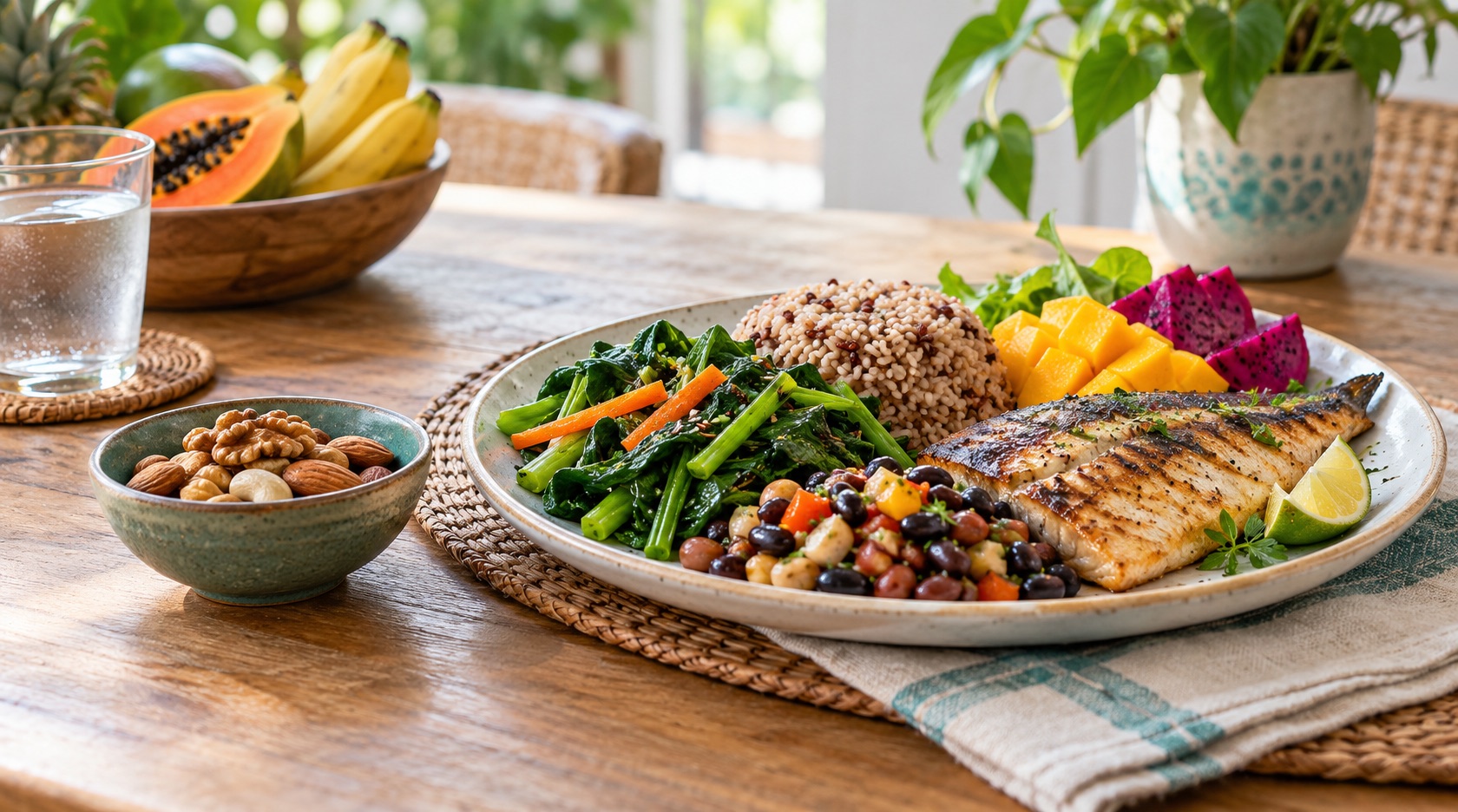
The phrase usually describes a pattern that includes vegetables, fruit, beans, whole grains, nuts, seeds, fish, and unsaturated fats, while reducing frequent heavily processed foods, sugar-sweetened drinks, and large amounts of saturated fat. It is a direction for everyday meals—not a prescription to remove every food that someone online calls “inflammatory.”

The strongest practical message is pattern over perfection. Choose changes that you can maintain, that fit your culture and budget, and that do not create nutritional gaps. If you have rheumatoid arthritis, “rayuma,” or another autoimmune diagnosis, the safe plan also includes medication review, activity, sleep, and follow-up.
What are the foods to avoid for arthritis?
Rather than asking which foods are forbidden, ask which choices are worth limiting more often for your overall health:
- Heavily processed foods: frequent packaged snacks, fast food, and fried foods can displace more nourishing choices.
- Sugar-sweetened drinks and frequent added sugar: reducing them can support weight, blood-sugar, and heart health.
- Excess saturated fat and processed meat: keep portions and frequency moderate within a balanced diet.
- Alcohol: discuss it with your clinician if you take medicines, have liver disease, gout, pregnancy, or a personal trigger.
“Limit” does not mean “one bite causes a flare.” These are pattern-level choices, not proof that one meal damaged a joint. Your plan may need to be different if you have diabetes, kidney disease, gout, an allergy, celiac disease, or another condition.
What is a rheumatoid arthritis diet?
There is no single rheumatoid arthritis diet that replaces disease-modifying treatment. Evidence reviews suggest that a Mediterranean-style or plant-forward pattern may help symptoms and quality of life for some people, but the effect is not guaranteed. One controlled crossover trial found that the adjusted primary disease-activity difference was not statistically significant (PMID: 32055820).
If you have rheumatoid arthritis, new or worsening swelling, prolonged morning stiffness, fever, unusual fatigue, or loss of function should prompt a clinical review. Diet cannot tell you whether symptoms are from active inflammation, infection, medication effects, injury, or another diagnosis.
What is an autoimmune disease diet?
“Autoimmune disease diet” is a broad search phrase, not one standardized medical treatment. An eating plan must fit the actual diagnosis, your medicines, nutritional needs, and other conditions. A restrictive autoimmune protocol may remove many foods, but the available evidence for elimination diets in rheumatic disease is weak (PMID: 39271484).
Do not stop a prescribed medicine, supplement a high dose, or remove an entire food group because of a social-media claim. If you are losing weight unintentionally, becoming anxious about food, or struggling to meet protein or calorie needs, involve a physician and registered dietitian.
Do certain foods make arthritis worse?
Some people notice that a particular meal and a later symptom change seem connected. That observation is worth discussing, but it does not prove that the food caused the flare. Pain can also change with sleep, stress, activity, infection, medication timing, weight, and the natural course of the condition.
If your clinician agrees, keep a short record for two to four weeks: what you ate, medicines and supplements, sleep, activity, joint swelling, pain, and function. Change one thing at a time. Avoid repeated self-challenges if you have a severe allergy, and do not use the record to delay assessment of a hot, red, swollen joint.
Which anti-inflammatory foods help with joint pain?
Build meals around foods that add fiber, protein, vitamins, minerals, and unsaturated fats:
- vegetables and fruit in a variety of colors;
- beans, lentils, tofu, nuts, and seeds when suitable for you;
- fish such as sardines, tuna, or other locally available choices;
- whole grains when tolerated, including oats, brown rice, or whole-grain bread; and
- unsaturated fats such as those from fish, nuts, seeds, or cooking oils used in moderate amounts.
No single food is a cure. The goal is a sustainable plate, adequate nutrition, and a plan that works with your medical conditions. The Philippine National Nutrition Council also emphasizes balanced nutrition and food sources of omega-3 fats for joint and bone health.
How can a Mediterranean diet fit with arthritis?
A Mediterranean-style pattern can be adapted to Philippine meals: add vegetables or fruit, choose fish or beans more often, use nuts or seeds when appropriate, and reduce frequent fried or packaged foods. Rice does not need to be banned. Portion, meal balance, activity, and conditions such as diabetes or kidney disease matter more than a fear-based rule about one staple.

The American College of Rheumatology guideline conditionally recommends against formally defined diets other than a Mediterranean-style diet because other strategies have not shown consistent clinically meaningful benefit. It also recognizes limited evidence. This supports using a Mediterranean-style pattern as an adjunct—not promising that it will stop joint damage or remove the need for medical care.
When should you ask a clinician before changing your diet?
Arrange an assessment before major dietary restriction if you have unintentional weight loss, diabetes, kidney or liver disease, gout, pregnancy, food allergy, suspected celiac disease, a history of disordered eating, or medicines that may interact with food or supplements.
Seek prompt medical care for a new hot, red, very swollen joint; fever with joint pain; sudden inability to use a limb; severe weakness; chest pain; or symptoms after a serious injury. “Rayuma” can describe many different problems, so the first step is identifying what is actually causing the pain.
At TeraCare in Vigan, a physician-guided lifestyle plan can sit alongside appropriate physical medicine and rehabilitation. The aim is not to make food frightening. It is to connect nutrition with diagnosis, medicines, movement, sleep, weight, and the function that matters to you.
References & Clinical Evidence
- [1] Sparks JA, et al. Effect of Anti-Inflammatory Diets on Pain in Rheumatoid Arthritis: A Systematic Review and Meta-Analysis. Nutrients. 2021. PMID: 34959772.
- [2] Skoldstam L, et al. Anti-inflammatory Diet In Rheumatoid Arthritis (ADIRA)-a randomized, controlled crossover trial indicating effects on disease activity. Am J Clin Nutr. 2020. PMID: 32055820.
- [3] Ebert JR, et al. [Nutrition and fasting]. Z Rheumatol. 2024. PMID: 39271484.
- [4] England BR, et al. 2022 American College of Rheumatology Guideline for Exercise, Rehabilitation, Diet, and Additional Integrative Interventions for Rheumatoid Arthritis. Arthritis Rheumatol. 2023. Guideline abstract consulted for context.
- [5] National Nutrition Council, Republic of the Philippines. Get to Know the Nutrients Needed to Maintain Bone and Joint Health. https://nnc.gov.ph/mindanao-region/get-to-know-the-nutrients-needed-for-bone-and-joint-health/.
* Clinical references are provided to support the medical claims made in this article. TeraCare adheres to evidence-based practices in physical medicine and rehabilitation.

Dr. Ben Rabara
Dr. Ben Rabara is a Board-Certified Physiatrist specializing in Physical Medicine and Rehabilitation. He focuses on non-surgical, precision treatments for musculoskeletal conditions, utilizing advanced diagnostics like MSK Ultrasound.
Medical Disclaimer: The information provided in this article is for educational purposes only and does not substitute for professional medical advice, diagnosis, or treatment. Always consult a qualified physician for your specific health conditions.