- — Visceral fat is an active metabolic organ that promotes systemic inflammation and insulin resistance.
- — Spot-reduction (doing sit-ups to burn belly fat) is a biological myth; fat loss occurs systemically.
- — Ketogenic diets can rapidly lower insulin levels to unlock fat stores but require clinical supervision to manage lipids.
- — Intermittent Fasting is a tool for metabolic flexibility, not a free pass to overeat during the eating window.
- — Chronic stress and poor sleep elevate cortisol, which directly signals the body to store fat in the abdominal region.
When it comes to weight loss, the most common request patients make in clinic is, "Doctor, how do I lose my belly fat?" Many people feel that even when they lose weight in other areas, their abdominal fat remains stubborn—often the first to arrive and the last to leave.
However, we must be clear: belly fat is not just a cosmetic concern. As physicians, we view abdominal adiposity as a critical medical marker. There is a profound difference between the fat you see in the mirror and the fat you cannot see that surrounds your heart, liver, and intestines. In this guide, we will break down the science of melting belly fat and the reality behind popular diet plans like Keto and Fasting.
The Two Faces of Belly Fat: Subcutaneous vs. Visceral
Not all fat is created equal. When you pinch your stomach and feel a "spare tire," that is subcutaneous fat—the fat stored just beneath your skin. While visually frustrating, it is not the most dangerous type of fat.
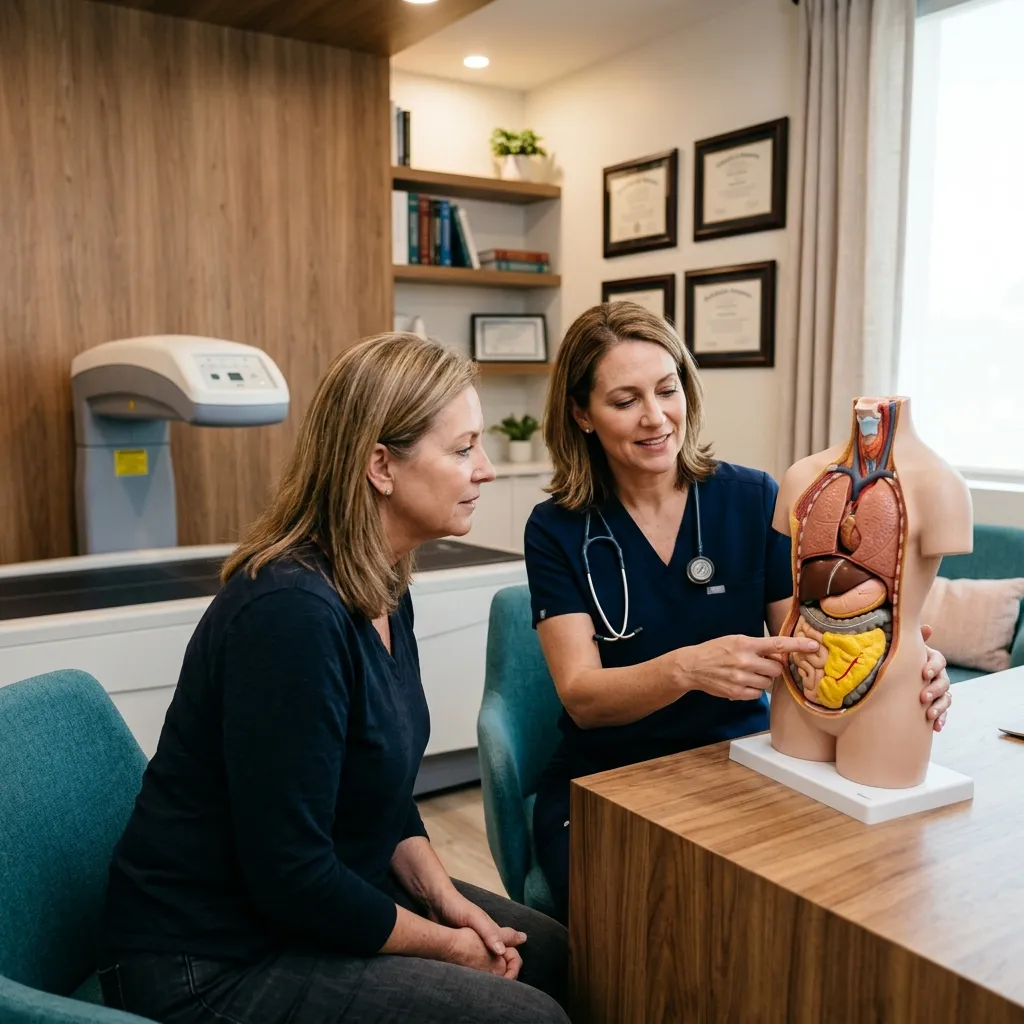
The true enemy is visceral fat. This is the fat hidden deep within your abdominal cavity, wrapped around your internal organs. Why is this dangerous? Because visceral fat is not just passive energy storage; it is considered an active "endocrine organ." It secretes hormones and inflammatory chemicals (cytokines) that directly impact your blood pressure, insulin sensitivity, and cardiovascular health.
This is why even individuals who appear "thin" but carry a prominent belly (sometimes called "Thin Outside, Fat Inside" or TOFI) are at high risk for Type 2 Diabetes and heart disease. The goal of our medical weight loss program in Vigan is the targeted reduction of this dangerous visceral fat.
"Visceral fat is metabolic poison. It triggers a state of chronic low-grade inflammation that fuels almost every modern lifestyle disease."
The Myth of "Spot Reduction" and Why Sit-ups Fail
One of the most persistent misconceptions in fitness is the belief that you can melt fat in a specific area by exercising the muscles underneath it. If you perform 100 sit-ups a day, your abdominal muscles will become stronger and firmer, but the layer of fat covering them will remain largely unchanged.
Spot reduction is a biological impossibility. Your body does not choose where to pull energy (fat) based on which muscle is moving. When the body needs fuel, it mobilizes fat from systemic circulation—meaning it pulls from your face, arms, legs, and belly simultaneously, according to your genetic blueprint.
Instead of focusing on sit-ups, a more effective strategy is Full-Body Resistance Training. Building larger muscle groups (like the legs and back) increases your overall basal metabolic rate, which prompts the body to burn fat more efficiently everywhere, including the abdomen.
Keto Diet: The Clinical Perspective
The Ketogenic Diet has gained popularity specifically for its rapid results in reducing abdominal girth. The mechanism is simple: by consuming very few carbohydrates, you force your body into a state of Ketosis. In this state, your body shifts from burning sugar (glucose) to burning fat as its primary fuel source.
Why it works for belly fat: Visceral fat is highly sensitive to the hormone Insulin. Carbohydrates (rice, bread, sugar) are the primary drivers of insulin spikes. By keeping insulin levels low through Keto, you effectively "unlock" your fat stores, making it easier for the body to access and burn belly fat.
The Caveat: Many people attempt "Dirty Keto"—consuming excessive amounts of processed meats and saturated fats. From a clinical perspective, this is risky. Unbalanced fat intake can spike your LDL cholesterol and disrupt gut health. A proper medical Keto plan focuses on healthy fats (avocado, olive oil, fatty fish) and high-fiber, non-starchy vegetables.
Intermittent Fasting (IF): Timing is Everything
Intermittent Fasting is not a "diet" but a pattern of eating. The most common is the 16:8 protocol (16 hours of fasting, 8 hours of eating). The primary benefit is providing your body with an extended period where insulin levels remain baseline, allowing for Autophagy—a cellular "cleanup" process.
For those struggling with a "beer belly" or visceral fat, IF helps improve Metabolic Flexibility. This is your body's ability to switch efficiently between burning carbohydrates and burning fat.
However, proceed with caution: IF is not a license to overindulge during your 8-hour window. If you consume a day's worth of calories in highly processed foods during your eating period, you will still trigger the insulin response that promotes fat storage. At TeraCare, we help patients pair IF with nutrient-dense nutrition for maximum clinical impact.
The "Stress Belly": Cortisol and Your Midsection
Sometimes, despite rigorous diet and exercise, the belly fat refuses to budge. This is often what we call a "Stress Belly," and the culprit is Cortisol.
When you are chronically stressed or sleep-deprived, your adrenal glands release cortisol. This hormone has a direct command for your body: "Store fat in the abdominal region to protect vital organs during this perceived emergency." Furthermore, cortisol elevates your blood sugar, leading to a secondary insulin spike—a double-whammy for your waistline.
This is why Sleep Optimization and Stress Management are core pillars of our medical weight loss protocol. Your body cannot effectively burn fat if it is constantly in "fight or flight" mode.
The Role of a Physiatrist in Abdominal Fat Loss
Why should you consult a Physiatrist (Rehabilitation Medicine Physician) for weight loss? Because our specialty focuses on Function and Mechanics.
Many patients with excess belly fat also suffer from Lower Back Pain or Knee Arthritis. The weight of the abdomen pulls the spine forward (anterior pelvic tilt), creating immense pressure on the lumbar discs. We cannot simply tell you to "go run on a treadmill," as that would exacerbate your joint pain.
Instead, we design Low-Impact, High-Metabolic Programs. We ensure that as you lose belly fat, we are also correcting your posture and offloading your joints. This is a "Whole-Body Rehabilitation" approach that goes far beyond generic weight loss advice.
| Diet Strategy | Primary Benefit for Belly Fat | Medical Consideration |
|---|---|---|
| Keto (Low Carb) | Aggressive insulin reduction; targets visceral fat fuel source. | Risk of 'Keto Flu' and lipid spikes; needs clinical monitoring. |
| Intermittent Fasting | Improves metabolic flexibility and triggers cellular repair. | Can trigger disordered eating if the window is too restrictive. |
| Anti-Inflammatory | Reduces the chemical signals that trigger fat storage. | Safest long-term approach for patients with chronic pain. |
How to Start the Right Way
If you want to lose belly fat permanently, you must move away from the "1-week challenge" mindset. What you need is a Metabolic Roadmap.
At TeraCare Vigan, we don't just measure your weight on a scale. We use InBody Scans to provide an exact measurement of your Visceral Fat Level. From there, we build a plan that fits your biology, your lifestyle, and your physical limitations.
You don't need to starve yourself. You simply need to learn how to work with your hormones instead of fighting against them.
Reduce Belly Fat Safely
Stop guessing with generic diets. Book an InBody assessment and Physician consultation in Vigan City.
Physician's Note: Losing belly fat is about more than appearance; it is about reducing systemic inflammation and protecting your vital organs. A guided nutritional approach is the most powerful medicine we have for metabolic health.
References & Clinical Evidence
- [1] Shuster, A., et al. (2012). The clinical importance of visceral adiposity: a critical review of anthropogenic anthropometric indicators of visceral adipose tissue. Clinical Medicine Insights: Circulatory, Respiratory and Pulmonary Medicine.
- [2] Paoli, A., et al. (2013). Beyond weight loss: a review of the therapeutic uses of very-low-carbohydrate (ketogenic) diets. European Journal of Clinical Nutrition.
- [3] Tinsley, G. M., & La Bounty, P. M. (2015). Effects of intermittent fasting on body composition and clinical health markers in humans. Nutrition Reviews.
- [4] Patterson, R. E., et al. (2015). Intermittent Fasting and Human Metabolic Health. Journal of the Academy of Nutrition and Dietetics.
* Clinical references are provided to support the medical claims made in this article. TeraCare adheres to evidence-based practices in physical medicine and rehabilitation.

Dr. Ben Rabara
Dr. Ben Rabara is a Board-Certified Physiatrist specializing in Physical Medicine and Rehabilitation. He focuses on non-surgical, precision treatments for musculoskeletal conditions, utilizing advanced diagnostics like MSK Ultrasound.
Medical Disclaimer: The information provided in this article is for educational purposes only and does not substitute for professional medical advice, diagnosis, or treatment. Always consult a qualified physician for your specific health conditions.