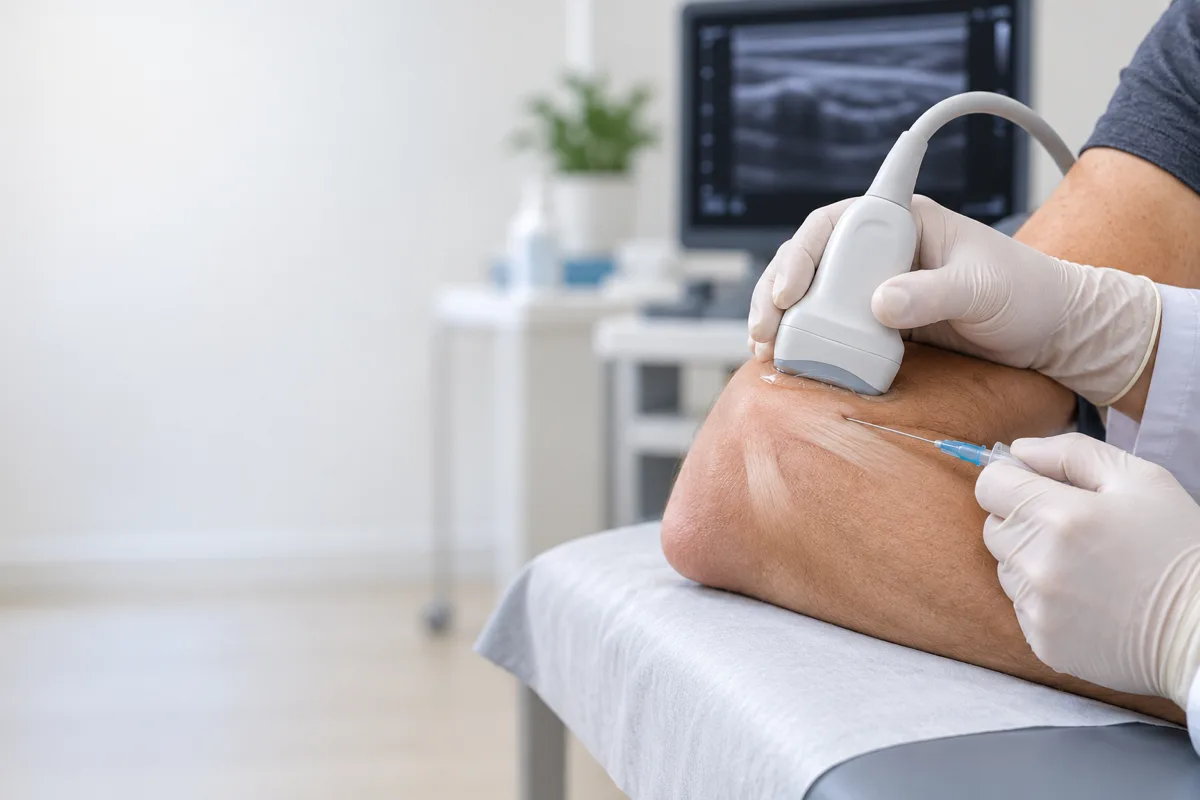
- — Masakit ang takong pag gising is a symptom pattern, not a diagnosis. Plantar fasciitis is one possibility, but the exact pain location and examination still matter.
- — Ang tinik sa takong na nakikita sa X-ray ay hindi awtomatikong pinagmumulan ng sakit. The plantar fascia, heel pad, Achilles tendon, nerves, bone, and joints may need different explanations.
- — Gamot sa pamamaga ng litid depends on the tissue involved, irritability, health history, and daily load. A needle procedure or injection is not a universal repair.
- — New weakness, numbness, fever, a hot swollen area, major injury, or severe worsening pain needs prompt assessment.
Ang masakit ang takong pag gising ay madalas inilalarawan bilang tusok o talim sa unang mga hakbang pagkabangon, o pag tayo pagkatapos umupo. Maaari itong tumugma sa plantar-fascia pain pattern, ngunit hindi sapat ang sintomas na ito para sabihing plantar fasciitis na agad o may tinik sa takong. The clinical review in the evidence ledger describes first-step pain as a common pattern while also requiring assessment rather than self-diagnosis (Latt et al., 2020; PMID: 35097359).
Ang gamot sa pamamaga ng litid ay hindi iisang tableta, pahid, o injection para sa lahat. Sa takong, maaaring plantar fascia ang masakit na tissue, hindi isang tendon. Sa siko, ang pangalang tennis elbow ay tumutukoy sa isang pain pattern, hindi sa isang automatic procedure. Ang unang trabaho ay alamin kung aling galaw, tissue, at risk factor ang tugma sa nararamdaman mo.
Bakit Masakit ang Takong Pag Gising?
Ang morning heel pain ay maaaring manggaling sa plantar fascia, ang matibay na tissue sa ilalim ng paa na tumutulong sa arch at paglipat ng load habang naglalakad. Kapag masakit ito, ang unang bigat pagkatapos ng pahinga ay maaaring magdulot ng matalim na sakit sa ilalim o loob ng takong. The same pattern can also be confused with heel-pad pain, Achilles-region pain, nerve irritation, bone stress, or pain referred from another area. The location, tenderness, and response to loading change the interpretation.
Mga detalye na mahalaga sa assessment
- Saan eksakto? Sa ilalim ng takong, likod ng takong, gilid, o malalim na parang pasa?
- Kailan lumalabas? Sa unang hakbang, habang tumatagal ang lakad, sa gabi, o kahit walang load?
- Ano ang kasama? Pamamanhid, tusok-tusok, panghihina, pamamaga, init, pamumula, o kamakailang injury?
- Ano ang nagbago? Mas mahabang trabaho sa paa, bagong sapatos, matigas na sahig, pagtakbo, o biglang dagdag sa activity?
A focused history and physical examination can often guide the initial assessment of a plantar-fascia pattern. The evidence ledger allows the general point that imaging may be reserved for atypical presentations or symptoms that do not respond to initial care; it does not allow telling a specific reader that an X-ray or MRI is unnecessary (Latt et al., 2020; PMID: 35097359). That distinction matters when the pain is severe, unusual, progressive, or linked with weakness or systemic symptoms.
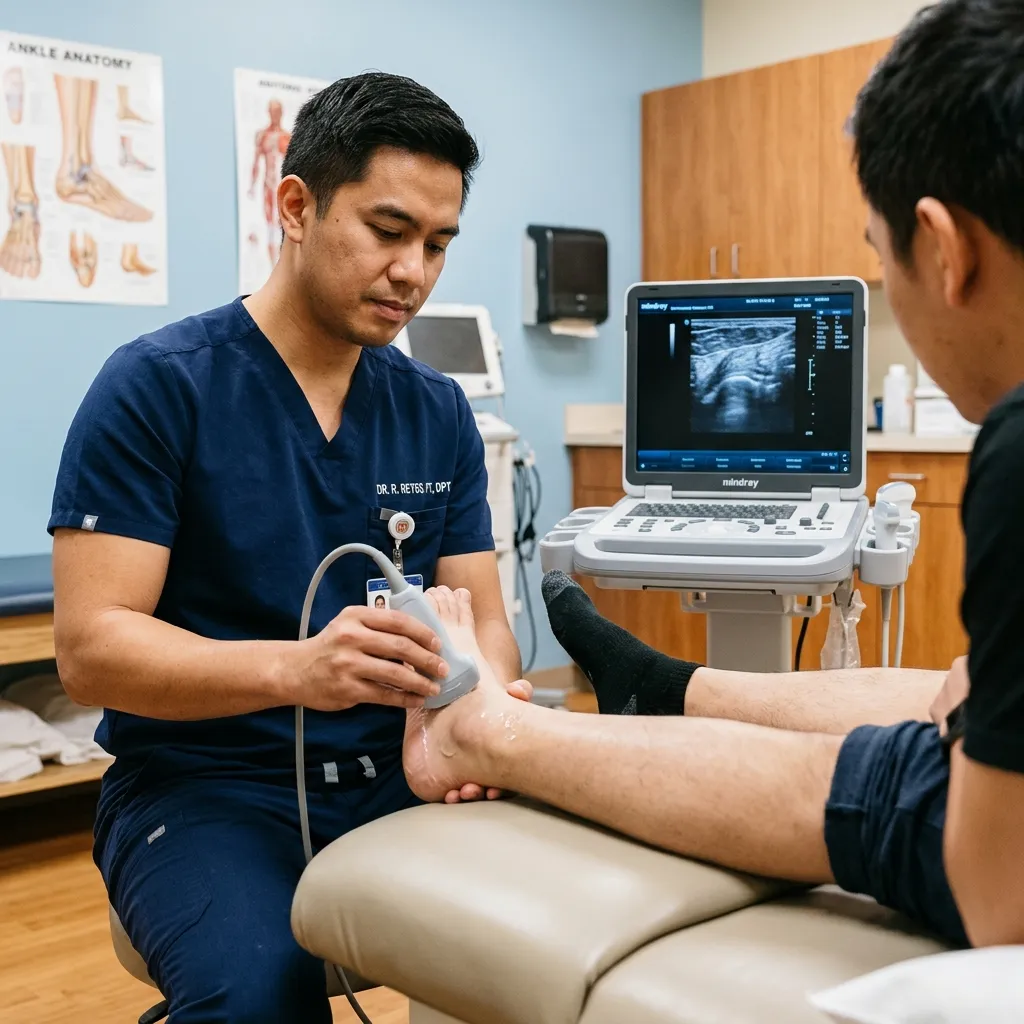
Ano ang Tinik sa Takong at Paano Ito Naiiba?
Ang tinik sa takong ay karaniwang patient term para sa heel spur, isang bony finding na maaaring makita sa X-ray. Hindi ito awtomatikong katumbas ng plantar fasciitis at hindi rin nito pinatutunayan na siya ang pinagmumulan ng sakit. A spur can coexist with pain from the plantar fascia or may be an incidental finding. Treating the picture instead of the person can lead to the wrong target.
The more useful question is not “may tinik ba?” but “what structure is tender, what load reproduces the pain, and what finding changes the plan?” A clinician may consider footwear, calf and foot loading, heel-pad sensitivity, nerve signs, a stress injury, joint motion, and the pattern after rest. The word “tinik” should not make a patient assume that scraping or injection is automatically required.
Clinical distinction:
A finding on an image is a clue. It becomes clinically important only when it matches the pain, examination, and function.
Ano ang Gamot sa Pamamaga ng Litid?
Ang “pamamaga ng litid” ay patient language, hindi sapat na diagnosis. A tendon can be irritated by a recent overload, repeated work, compression, altered mechanics, or a partial injury. The painful structure may also be beside the tendon rather than inside it. For heel pain, the plantar fascia is not the same tissue as the Achilles tendon. For elbow pain, the outer elbow, joint, neck, and nerves can produce overlapping symptoms.
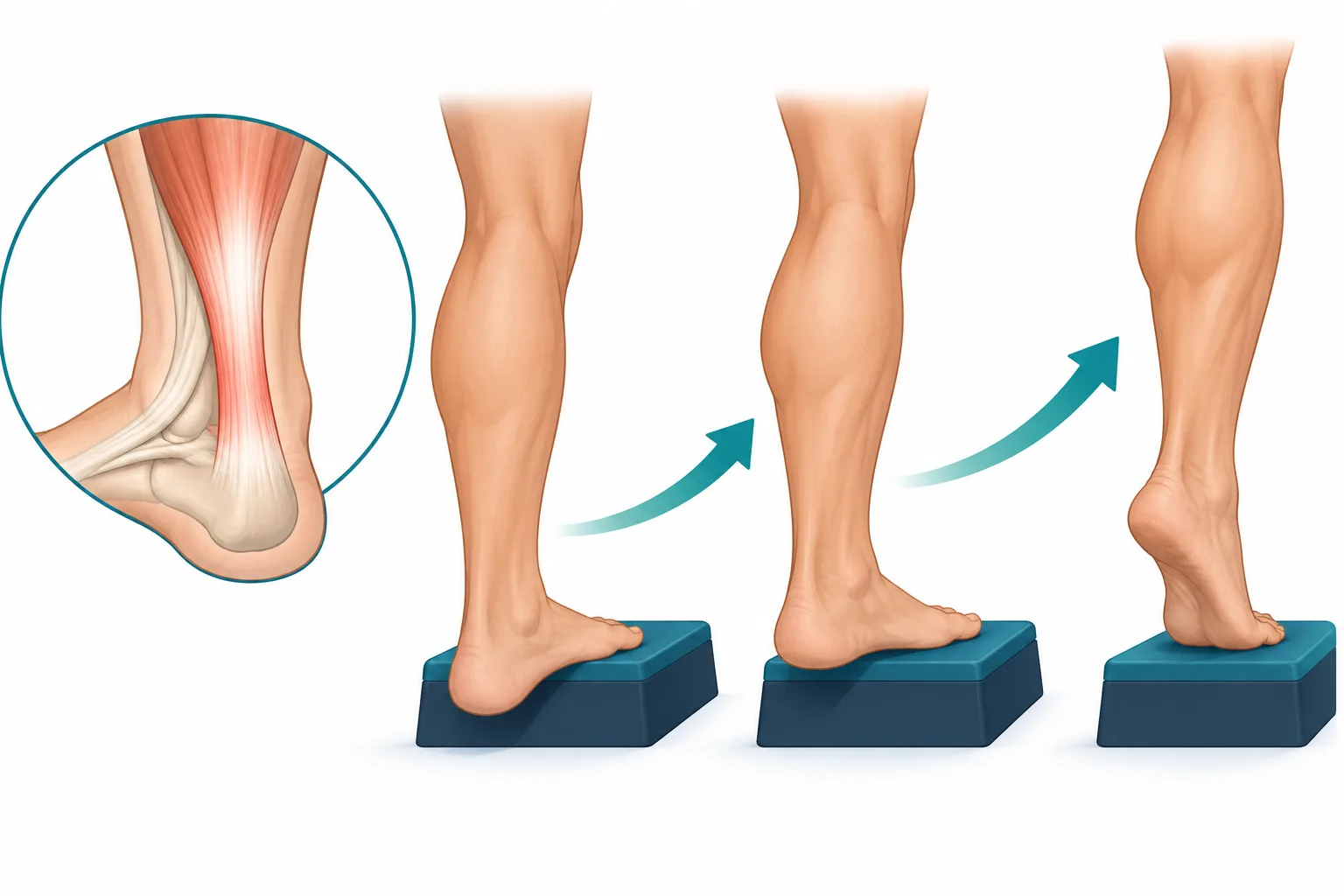
Treatment is chosen by tissue state and load tolerance. A clinician may first adjust the activity that repeatedly provokes symptoms, check footwear or support, address a relevant health factor, and build a progressive rehabilitation plan. The aim is not simply to quiet pain for a few hours. The plan should help the tissue and surrounding system tolerate the work, walking, lifting, or sport that the person needs to resume.
Paano pinagkukumpara ang treatment options?
The right choice depends on the target, risks, and ability to complete the recovery plan.
Assessment and graded rehabilitation
A clear or likely mechanical pain pattern where strength, movement, and load tolerance need to improve. Progress may be gradual, and the starting load must be adjusted when symptoms or health factors change.
Injection or needle procedure
A selected target has been identified and the clinician can explain the exact substance or technique, evidence, risks, and fallback plan. It is not one treatment category or a guarantee of tissue repair.
Imaging or further testing
The pattern is atypical, a significant injury is suspected, symptoms persist despite initial care, or the result will change management. A scan should not replace history and examination.
Conservative treatment can be useful, but recovery expectations depend on duration and tissue history. The evidence ledger permits the general finding that acute plantar fasciitis may respond more rapidly and predictably than chronic plantar fasciitis; it does not support a promise for one person (Motley, 2021; PMID: 33745651). If pain persists, the next decision may be reassessment, not automatically a stronger medicine or procedure.
Sa bahay, mas kapaki-pakinabang ang pag-obserba ng pattern kaysa paulit-ulit na paghahanap ng bagong gamot. Isulat kung ilang hakbang o minuto bago humupa o lumala ang sakit, anong sapatos ang gamit, at kung paano tumugon ang takong kinabukasan pagkatapos ng activity. Ang impormasyong ito ay hindi kapalit ng pagsusuri, pero nakatutulong para makita kung ang problema ay kaugnay ng load, pahinga, surface, o ibang sintomas.
Ang exercise o stretching ay dapat magsimula sa antas na hindi nagpapalala ng buong araw na sintomas. Hindi sapat ang “tiisin lang” kung patuloy na tumataas ang sakit, bumababa ang lakas, o nagbabago ang paraan ng paglakad. Sa kabilang banda, ang ganap na pahinga nang walang malinaw na dahilan ay maaaring mag-iwan ng mas mababang capacity para sa trabaho. Ang tamang progression ay sinusukat sa function at response, hindi sa tapang na tiisin ang sakit.
Linawin muna ang pinagmumulan ng sakit
A PM&R assessment can help match the pain pattern, examination, and safest next step to your daily needs.
Bakit Maaaring Masakit ang Siko Kasabay?
Ang masakit ang siko ay maaaring maramdaman sa labas, loob, likod, o mismong joint. Kapag sa labas at sumasakit sa paghawak, pagbubuhat, pag-ikot ng doorknob, o paulit-ulit na gamit ng kamay, ginagamit ng mga tao ang salitang tennis elbow. Hindi kailangan na naglalaro ng tennis. Ngunit ang label ay hindi sapat para ibukod ang nerve irritation, neck-related pain, joint disease, ligament injury, o ibang tendon.
Sa assessment, mahalaga kung may panghihina, pamamanhid, pag-click o pag-lock, pamamaga, lagnat, o biglang injury. Mahalaga rin kung anong trabaho ang inuulit araw-araw: pagkakarpintero, pag-aangat, paggamit ng mouse, paghawak ng tools, pagmamaneho, o ibang gawain. The same elbow label can require different advice when the main driver is a nerve, joint, or load problem rather than the suspected tendon.

Ano ang Lunas sa Tennis Elbow?
Ang lunas sa tennis elbow ay karaniwang nakasentro sa tamang diagnosis, pagbabago ng nakakapagpasamang load, at unti-unting pagbabalik ng lakas at tolerance. Hindi ibig sabihin nito na kailangang tuluyang ihinto ang lahat ng galaw. Ang goal ay mahanap ang panimulang load na kayang tiisin ng siko at baguhin ang dami, bilis, grip, o technique habang mino-monitor ang response.
A procedure may be discussed when symptoms remain limiting and a specific target is supported by the examination. It should not be used to avoid checking new weakness, marked swelling, infection, a major injury, or symptoms that travel with numbness. A procedure also does not remove the need to rebuild strength for the actual work or activity that caused the problem.
Practical care in Ilocos also includes travel, work schedule, family support, and follow-up. A plan that is technically ideal but impossible to attend or perform will not be a good plan. The clinician should explain which parts can be done at home, when a review is needed, and what change would mean that the working diagnosis must be revisited.
Para sa taong nagtatrabaho nang nakatayo, nagbubuhat, o gumagamit ng kamay nang paulit-ulit, kailangang isama sa plano ang aktuwal na duty. Maaaring mas ligtas ang pansamantalang pagbabago ng task, pahinga sa pagitan ng repetitions, pag-iiba ng grip o surface, at unti-unting pagbabalik kaysa sa payong “magpahinga” na hindi maipapatupad. Kung may employer o pamilya na umaasa sa pasyente, dapat malinaw kung anong pagbabago ang praktikal at gaano katagal susubukan bago suriin muli.
Ang gamot na nabibili nang walang reseta ay may sariling limitasyon. Ang kidney disease, ulcer history, blood thinners, allergy, pagbubuntis, high blood pressure, diabetes, at ibang iniinom na gamot ay maaaring magbago kung aling pain-relief option ang ligtas. Huwag gawing kapalit ng assessment ang payo ng kapitbahay o paulit-ulit na pag-inom ng gamot dahil lamang gumana ito sa ibang tao. Ang pangalan ng sintomas ay hindi sapat para malaman kung aling gamot ang tama.
Kailan Isinasaalang-alang ang Injection Para sa Litid?
Ang injection para sa litid ay hindi isang standard name for one procedure. It may refer to a substance placed near a tendon, around a tendon sheath, in a joint or bursa, or a different image-guided technique. Ask what is being injected, where it will go, what the goal is, what evidence applies to that exact problem, and what rehabilitation follows.
For plantar-fascia pain, the evidence ledger supports a specific safety qualification: corticosteroid injections may temporarily relieve pain, but the cited abstract reports possible increased risk of plantar-fascia rupture and fat-pad atrophy. It does not quantify an individual’s risk or prove that an injection is suitable (Latt et al., 2020; PMID: 35097359). Pain relief should not be described as proof that the tissue has healed.
Needle tenotomy or other needle-based procedures may be considered for selected conditions, but their name does not establish the diagnosis, mechanism, benefit, or safety. The target should be clinically relevant, nearby nerves and vessels should be considered, consent should include alternatives, and the aftercare plan should be clear. “Minimally invasive” still means there are risks and responsibilities after the procedure.
Bago pumayag sa injection o needle procedure, dapat masasagot ang ilang practical na tanong: Ano ang diagnosis at ano ang ibang posibilidad? Bakit ito ang target at hindi ibang tissue? Ano ang inaasahang pagbabago sa pain o function, at kailan ito susukatin? Ano ang normal na discomfort pagkatapos, ano ang warning sign, at sino ang tatawagan? Ano ang gagawin kung walang improvement? Ang malinaw na sagot sa mga tanong na ito ay bahagi ng informed consent, hindi dagdag na pormalidad.
Ang isang procedure ay maaaring maging bahagi ng care pathway, pero hindi nito awtomatikong binubura ang years of overload, kahinaan, poor sleep, o maling working diagnosis. Kung ang sakit ay bumalik sa parehong load pagkatapos ng pansamantalang ginhawa, kailangan pa ring alamin kung ano ang hindi nabago. Ang makatwirang success measure ay maaaring mas mahabang paglalakad, mas ligtas na paghawak, mas maayos na tulog, o pagbabalik sa duty, hindi lamang mas mababang pain score sa isang araw.
What Does Heel Pain Worse in Morning Suggest?
Heel pain worse in morning suggests a post-rest loading pattern that can occur with plantar-fascia pain, but it does not identify one condition by itself. Pain that is burning, numb, deep and bruise-like, progressively worse with activity, present at rest, or linked with a new injury changes the list of possibilities. The first step is to describe the pattern precisely, not to force it into the phrase “tinik sa takong.”
The duration also matters. The evidence ledger notes that acute and chronic plantar-fascia presentations may have different treatment responses, but that difference is a population-level finding, not a personal forecast (Motley, 2021; PMID: 33745651). A realistic plan measures more than pain: walking tolerance, work tasks, sleep, strength, movement confidence, and the next-day response after loading.
When Should Heel or Elbow Pain Be Assessed?
Arrange an assessment when pain keeps affecting walking, sleep, work, lifting, or usual activity; when the diagnosis is unclear; or when a reasonable initial plan is not helping. Bring a short timeline, your medicine list, relevant health conditions, previous imaging reports, and the activities that reliably reproduce the pain.
Magpatingin nang mas maaga kung mayroon ng:
- Biglang injury: may punit na tunog, deformity, hindi maapakan, o hindi maigalaw ang braso o paa.
- Neurologic signs: bagong pamamanhid, lumalalang panghihina, o sintomas na kumakalat sa kamay o paa.
- Possible infection: lagnat, mainit at namumulang pamamaga, o mabilis na paglala.
- Unusual or severe pain: matinding sakit na hindi humuhupa, pain at rest, o sintomas na hindi tugma sa normal na load pattern.
Kung may diabetes, inflammatory disease, history ng cancer, immunosuppression, o regular na blood thinner, sabihin ito bago pumili ng test o procedure. Hindi ibig sabihin na bawal ang lahat ng treatment; ibig sabihin lamang ay kailangang isama ang mga risk na iyon sa desisyon. Kung ang sakit ay kasabay ng lagnat, mabilis na pamamaga, o pakiramdam na acutely unwell, mas mahalaga ang mabilis na medical assessment kaysa sa paghihintay ng routine appointment.
Sa consultation, hindi kailangang maging perpekto ang iyong medical terms. Sabihin kung “parang tinik,” “parang pasa,” “parang kuryente,” “matigas pagkabangon,” o “sumasakit kapag humahawak.” Ang mga salitang ito ay panimulang impormasyon. Iuugnay ng clinician ang mga ito sa eksaktong lokasyon, movement testing, lakas, sensation, at function upang mabuo ang mas ligtas na working diagnosis.
A careful consultation should end with a working explanation, a safe starting plan, what to monitor, and a reason to change course. Hindi kailangang piliin agad ang pinaka-invasive na option. Ang mas ligtas na desisyon ay iyong nakabatay sa tissue, function, health risks, available follow-up, at malinaw na limitasyon ng evidence.
Mga Dapat Malaman Bago Pumili ng Gamot o Procedure
Ang tamang tanong ay hindi lamang “ano ang pinakamalakas na lunas?” kundi “ano ang pinagmumulan ng sintomas, at ano ang ligtas na susunod na hakbang?”
Hindi pareho ang takong at litid
Morning heel pain may involve the plantar fascia, heel pad, Achilles tendon, bone, nerve, or another structure. The word “litid” alone does not identify the pain source.
Ang X-ray ay hindi diagnosis mag-isa
A spur or other structural finding matters only when it matches the symptoms, tenderness, function, and clinical examination.
Hindi kapalit ng rehabilitation ang procedure
If a selected procedure is discussed, recovery still depends on a plan for safe movement, load, strength, and return to work or activity.
References & Clinical Evidence
- [1] Latt LD, Jaffe DE, Tang Y, Taljanovic MS. Evaluation and Treatment of Chronic Plantar Fasciitis. Foot Ankle Orthop. 2020. PMID: 35097359.
- [2] Motley T. Plantar Fasciitis/Fasciosis. Clin Podiatr Med Surg. 2021. PMID: 33745651.
* Clinical references are provided to support the medical claims made in this article. TeraCare adheres to evidence-based practices in physical medicine and rehabilitation.

Dr. Ben Rabara
Dr. Ben Rabara is a Board-Certified Physiatrist specializing in Physical Medicine and Rehabilitation. He focuses on non-surgical, precision treatments for musculoskeletal conditions, utilizing advanced diagnostics like MSK Ultrasound.
Medical Disclaimer: The information provided in this article is for educational purposes only and does not substitute for professional medical advice, diagnosis, or treatment. Always consult a qualified physician for your specific health conditions.