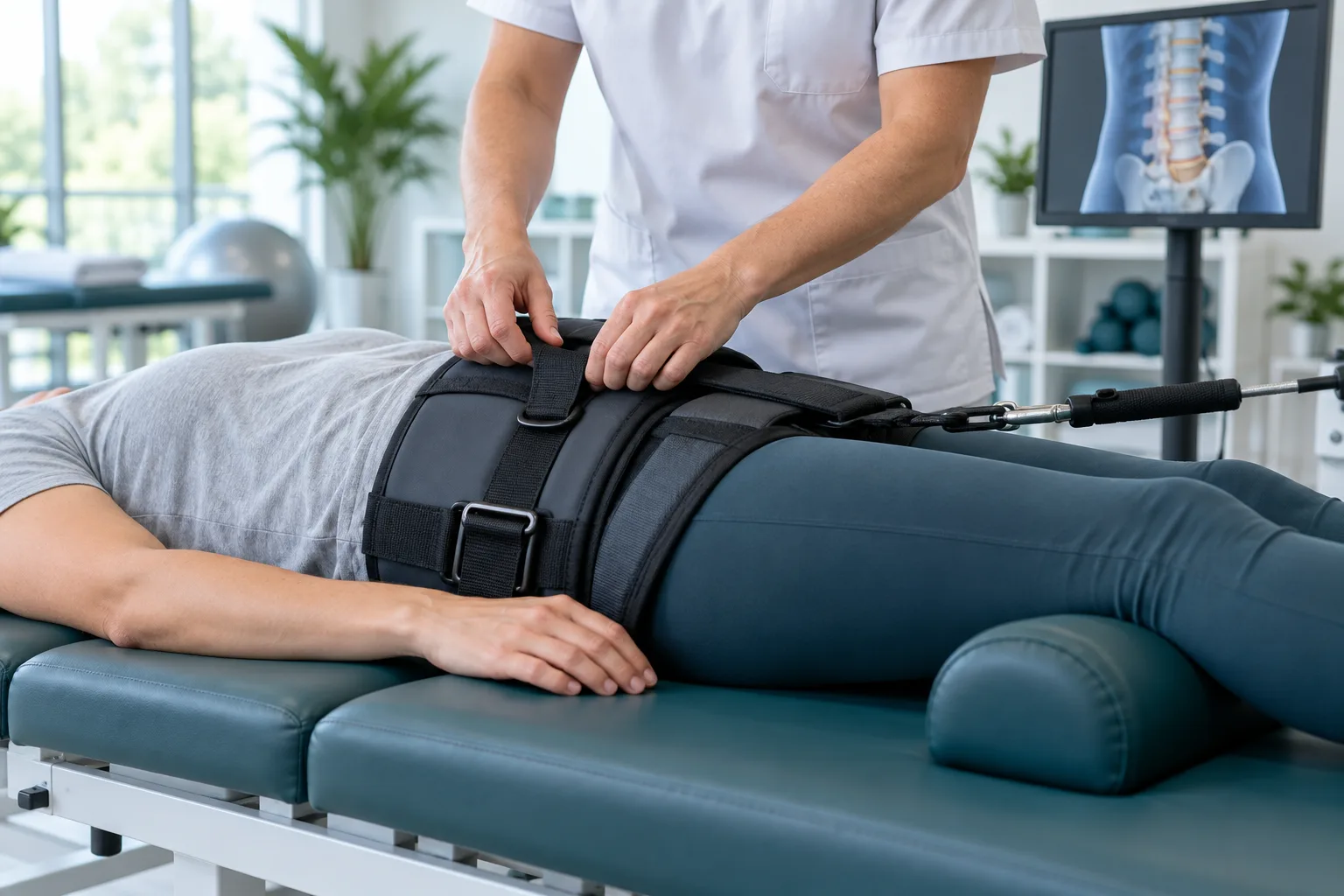
- — There is no honest single Philippine or Vigan price that applies to every spinal decompression visit. The total depends on the assessment, diagnosis, treatment plan, and whether other services are clinically needed.
- — Mechanical traction is not the same as surgical decompression, and a short-term change in pain is not proof that a disc has been repaired or permanently moved.
- — The strongest direct evidence in this review concerns selected patients with lumbar disc herniation, not every type of back pain. Short-term outcomes are more defensible than long-term promises.
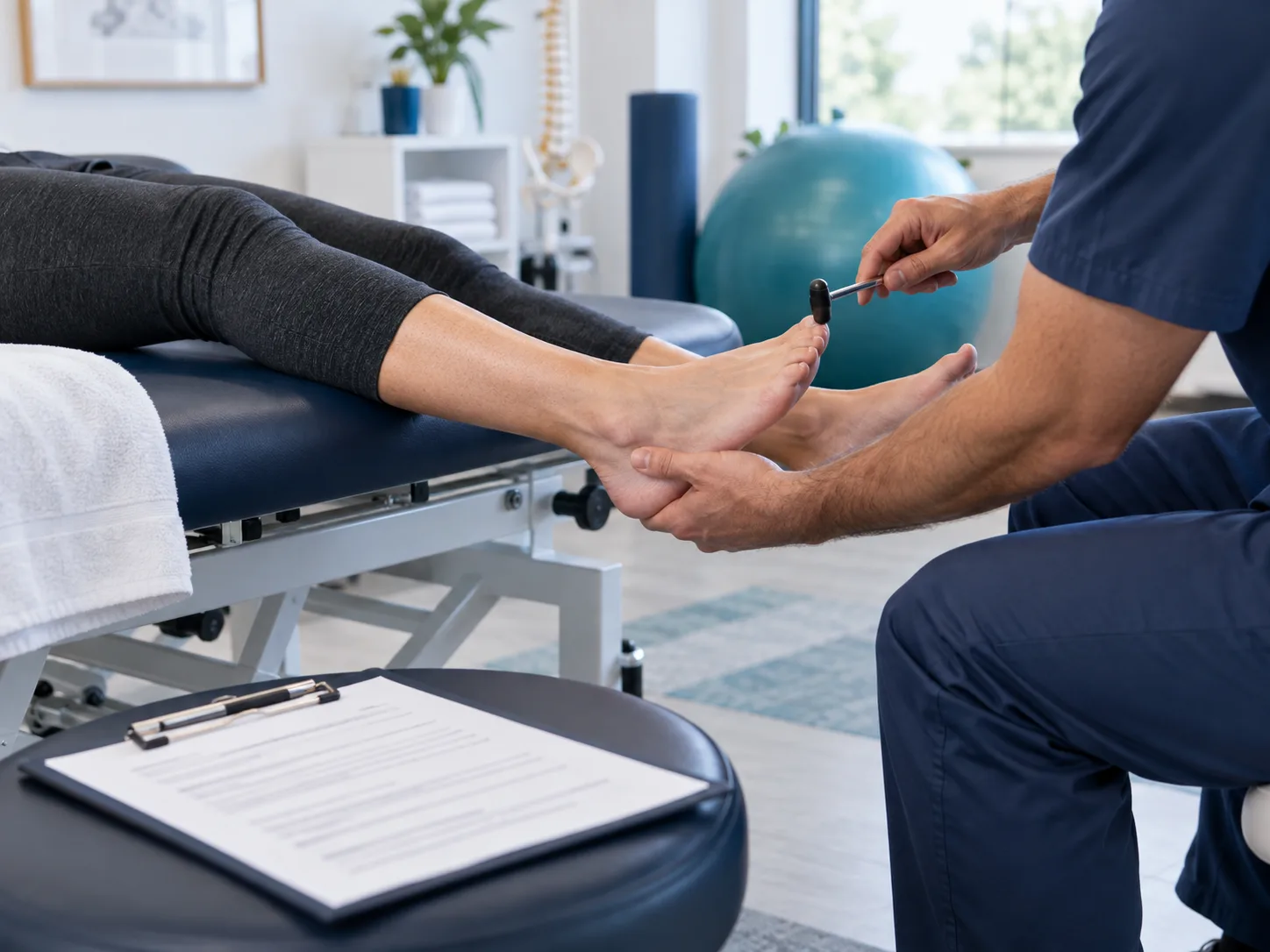
- — A consultation should include symptom-pattern assessment, neurologic screening, discussion of alternatives, a monitoring plan, and a clear reason to stop or escalate.
People searching for a spinal decompression clinic in Vigan are often trying to solve two problems at once: they want relief from back or leg pain, and they want to know what the visit will cost before committing to travel or treatment. A responsible answer cannot be a dramatic promise or an invented national price. The clinical question comes first: does the symptom pattern fit a condition for which mechanical traction might be a reasonable, monitored option?
In this article, I use spinal decompression to mean non-surgical mechanical traction delivered as part of physical medicine and rehabilitation. That is different from surgical decompression. The word “decompression” also does not prove that a disc has been moved, repaired, or permanently unloaded. My goal is to help you compare a clinic by its assessment, explanation, monitoring, and transparency rather than by a machine label or a fixed package.
What should you ask a spinal decompression clinic in Vigan?
I would ask how the clinic will identify the pain pattern, screen strength and sensation, explain alternatives, define a meaningful goal, and decide whether to continue after a trial. I would also ask which parts of the quoted fee cover assessment, treatment, follow-up, or other services. A clear answer is more useful than a low headline price with unclear inclusions.
How does a spinal decompression clinic in Vigan assess your back pain?
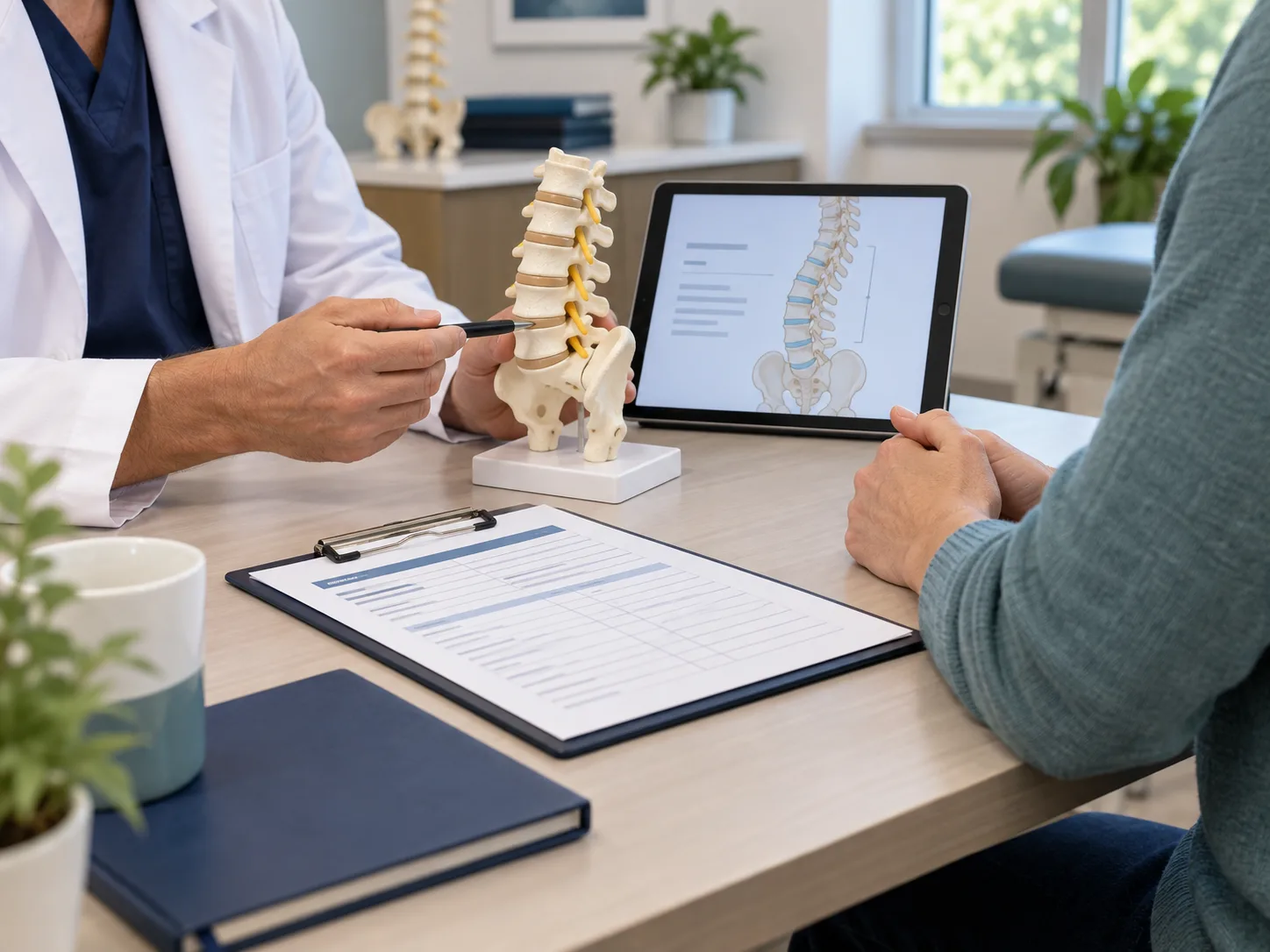
A proper assessment begins with the history: where the pain travels, what reliably worsens it, whether it feels sharp, dull, radiating, stiff, heavy, burning, catching, or grinding, and how walking and sleep are affected. Low-back pain can be axial, radicular, or referred, and history, examination, and diagnostic testing help identify the likely pathophysiology (PMID: 30854609). That does not mean an online symptom description can establish a diagnosis.
I compare the symptoms with movement, gait, strength, sensation, reflexes when relevant, and functional limitation. An MRI finding matters more when it is interpreted alongside the clinical pattern, examination, and functional problem. Traction should be one decision inside that assessment, not the starting assumption.
Myth to retire: “If the MRI says slipped disc, traction is automatically the right treatment.” A scan is an anatomical finding. It does not tell us whether the tissue is irritable, whether the nerve is losing function, or whether another structure is producing the pain.
What can change the price at a spinal decompression clinic in Vigan?
The price can change when the clinical problem changes. A first physician assessment and a follow-up treatment involve different decisions. The plan may also include exercise instruction, functional reassessment, or another diagnostic step when the history and examination justify it. Travel from nearby Ilocos communities, missed work, transport, and follow-up availability are real costs that belong in your decision even when they are not on a clinic invoice.
| Ask about | Why it matters |
|---|---|
| Assessment and reassessment | You can tell whether the quote includes the clinical decisions that make a modality safer. |
| What the session includes | You can separate traction time from exercise, education, or other services. |
| Stop and change rules | You know what happens if symptoms worsen or traction is not the right fit. |
I do not use this page to publish a fixed peso figure because a number without a dated service definition can mislead. Ask what the quoted amount includes, whether the assessment is separate, how a session is stopped or changed, and whether a package is refundable or transferable. A clinic should be able to explain what happens if traction is not appropriate, rather than making the package the centre of the conversation.
How do you choose a spinal traction clinic in Vigan?
Choose a spinal traction clinic that can explain who should not be treated, what outcome will be measured, how symptoms are monitored, and when the plan will be reconsidered. I would look for physician or qualified rehabilitation oversight, a willingness to discuss active rehabilitation, and an honest distinction between evidence for selected lumbar disc herniation and claims about every kind of back pain.
What should a spinal traction clinic in Vigan explain before treatment?
Before a session, the clinician should explain the intended goal, the body position, what sensation is expected, what symptoms should be reported immediately, and what alternatives exist. There is no single evidence-based force, angle, duration, or number of sessions that applies to everyone. Those choices should follow the patient’s presentation and response, not an advertisement.
The current evidence is narrower than the phrase “spinal decompression” often suggests. One systematic review of manual therapy in cervical and lumbar radiculopathy included only six lumbar studies, found different manual-therapy forms in that group, and reported that 93% of included publications were moderate or low quality (PMID: 34200510). That uncertainty is a reason for careful selection, not a reason to dismiss every patient’s experience.
Myth to retire: “A stronger pull must produce a better result.” Force is a treatment variable, not a score. More intensity is not automatically more useful, especially when studies do not establish one universal protocol.
Where can you find mechanical traction physical therapy near me?
Finding mechanical traction physical therapy near me should mean finding a service that connects the modality to a diagnosis, a safe starting position, and a functional goal. “Near me” is useful for access, but distance alone cannot determine suitability. Ask whether the provider can assess neurologic change, offer active rehabilitation, and communicate what to do if pain or weakness worsens after the session.
How is mechanical traction physical therapy near me different from surgery?
Mechanical traction is an outpatient physical-therapy modality studied alongside conventional physical therapy for selected lumbar disc herniation (PMID: 35774300). Surgical decompression is an operation, not an outpatient traction session; source literature describes decompression as a surgical option in its own context (PMID: 31078230). A non-surgical service using “decompression” in its name is not equivalent to an operation. Traction also cannot promise that surgery will be avoided when cauda equina syndrome, infection, fracture, or persistent disabling problems change the clinical pathway.
General rehabilitation is another separate category. Education, self-management, usual activity when appropriate, exercise, and multimodal care are recommended in guideline reviews for low back pain with or without radiculopathy (PMID: 36963709). Those recommendations support a broader plan. They do not prove that a traction table caused improvement, and they do not make passive treatment a substitute for strength, mobility, or load progression.
Start With the Clinical Question
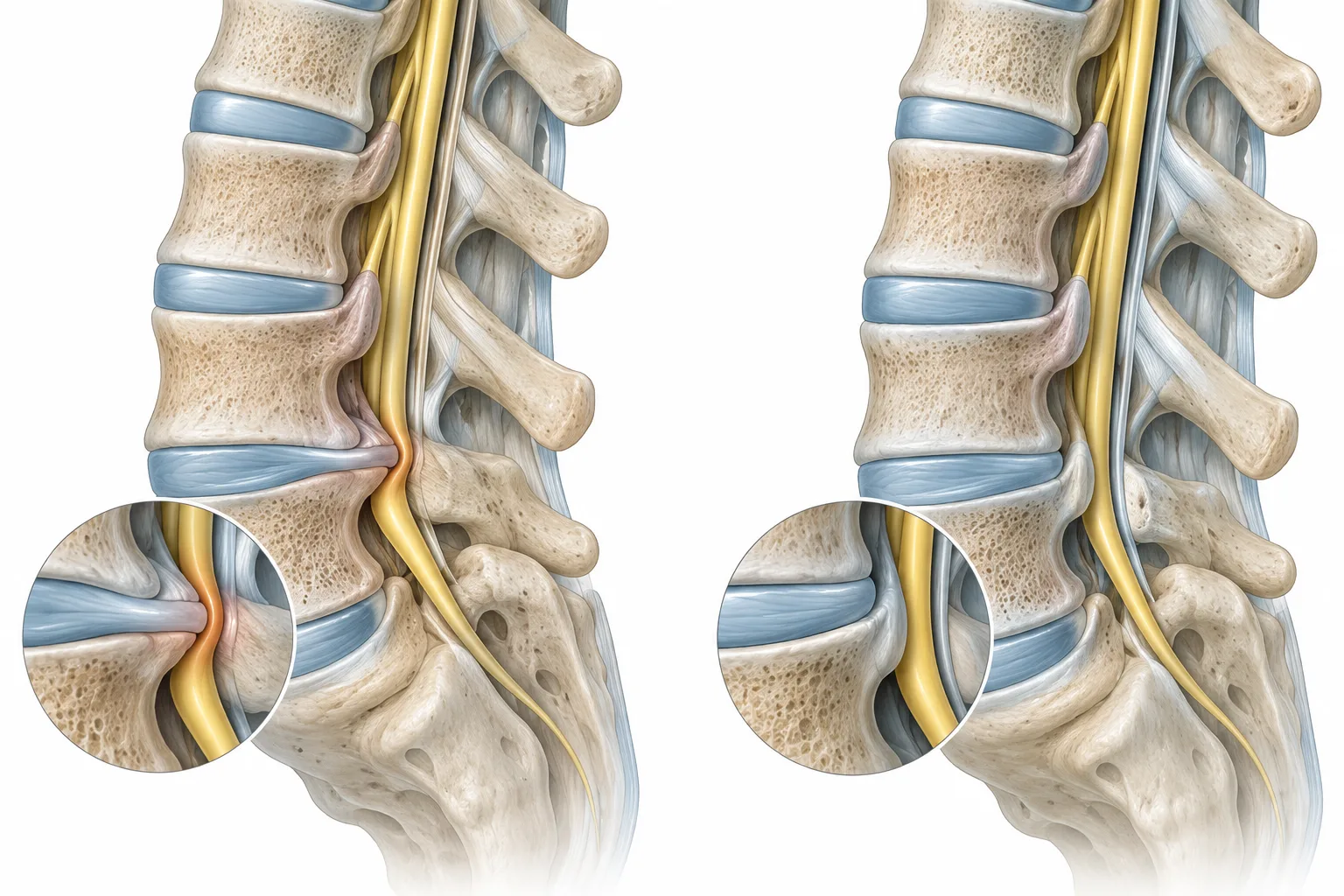
A PM&R assessment can match the pain pattern, neurologic findings, and functional goal to a safer sequence of care.
When should you book a slipped disc consultation in Vigan?
Book a slipped disc consultation in Vigan when back pain travels into the leg, symptoms persist or restrict walking and work, or you are considering traction after seeing an MRI report. The purpose is not to confirm that every symptom is a disc problem. It is to match the history, examination, imaging when indicated, and functional goal before choosing conservative care or escalation.
What should you bring to a slipped disc consultation in Vigan?
Bring your medication list, relevant medical history, prior treatment details, imaging reports and images if available, and a short description of what you can no longer do comfortably. Note whether pain is improving or spreading. Also bring practical constraints such as travel time, work demands, and the people or tasks you need to protect during recovery.
A consultation should leave you with a working explanation, not just a machine recommendation. It should clarify whether the goal is to settle leg symptoms, improve walking tolerance, make exercise more tolerable, or pursue another diagnostic path. A selected patient may reasonably try traction as an adjunct, but the trial should have a review point and a stop rule.
Myth to retire: “A cheaper package is always the better deal.” A low price can be poor value if it delays the correct diagnosis, excludes reassessment, or pressures you to continue after a neurologic change. Value includes safety, clarity, access, and a plan that can change.
What should you expect before a traction session?
Before a traction session, expect a discussion of your current symptoms, a safety screen, a defined functional goal, and an explanation of how the response will be judged. I would not treat a table sensation as the outcome. I would ask whether pain, walking, sleep, sitting, or exercise tolerance changes without a delayed flare and whether strength and sensation remain stable.
When are back symptoms urgent?
Back symptoms are urgent when they raise concern for cauda equina syndrome, malignancy, fracture, or infection. An imaging guideline identifies these red-flag conditions as reasons imaging may be considered, while uncomplicated acute low back pain or radiculopathy does not automatically warrant imaging (PMID: 34794594). A changing or severe presentation deserves prompt clinical triage rather than another routine traction session.
Do not wait for a routine traction appointment when those warning features appear. For a possible emergency, seek emergency care immediately and do not wait for an online booking or message reply. The safest action may be diagnostic escalation, not another session. A clinic’s willingness to say that clearly is part of safe care.
When the presentation is not urgent, I still explain the limits of the treatment. A 2022 meta-analysis of mechanical traction added to conventional physical therapy for lumbar disc herniation reported lower pain and Oswestry Disability Index scores in the traction group, but no significant difference in Schober test scores (PMID: 35774300). A separate review rated traction more favourably for short-term than long-term outcomes (PMID: 38398287). Those findings support a careful trial in selected patients, not a guarantee.
Symptom relief also should not be described as disc regeneration. A review of disc degeneration notes that pharmacological, rehabilitation, and surgical treatments aim to relieve pain but do not establish tissue regeneration (PMID: 36613651). That distinction protects patients from paying for a promise that the evidence cannot support. The practical question is whether the overall plan improves a meaningful task while keeping the patient neurologically safe.
Myth to retire: “If traction feels good, the disc must be back in place.” Comfort is real, but its mechanism may be temporary and cannot be read as proof of anatomical repair. I look for sustained, safer function and a stable examination rather than a dramatic pulling sensation.
If you are comparing clinics in Vigan, ask for the current consultation pathway and the exact service inclusions. Confirm any payer or HMO rule with the payer itself, because coverage is an operational policy and not a conclusion that can be drawn from clinical studies. For non-urgent symptoms, a diagnosis-led assessment is the safest next step. For urgent symptoms, emergency assessment takes priority over cost comparison or online booking.
A useful phone or message checklist is short. Ask whether the first visit is an assessment or a treatment session, who performs the clinical screening, whether the quoted amount includes reassessment, what happens if the examination suggests a different diagnosis, and how the clinic handles a flare after treatment. If you have an MRI, ask whether the clinician wants the actual images as well as the written report. If your symptoms are changing quickly or feel urgent, say that before discussing a package.
This approach also protects the clinic relationship. A patient should be able to decline traction after hearing the alternatives without being made to feel that the opportunity has been lost. A clinician should be able to change the plan when the examination, response, or practical circumstances change. That flexibility is especially important for people travelling from outside Vigan, arranging childcare, missing hourly work, or trying to coordinate care with another physician or therapist.
The most defensible result is not a promise that the spine has been “decompressed.” It is a clearer diagnosis, a safer decision, and a measurable change in the activity that brought you to care. If traction is part of that plan, it should earn its place by helping the person participate in recovery while remaining consistent with the examination and the limits of the evidence.
What a Responsible Price Conversation Includes
The useful question is not only “how much,” but what clinical decision the fee supports.
Assessment Before Modality
The diagnosis, neurologic findings, irritability, goals, and relevant history should shape whether traction is appropriate.
No Automatic Package
A fixed number of sessions is a business format, not a universal finding from the evidence reviewed for this page.
A Reassessment Point
The plan should define what improvement means, what symptoms stop treatment, and when another pathway is needed.
References & Clinical Evidence
- [1] Bussières A, Cancelliere C, Ammendolia C, et al. Systematic Review of Clinical Practice Guidelines for Non-specific Low Back Pain With and Without Radiculopathy. Arch Phys Med Rehabil. 2023. PMID: 36963709.
- [2] El Melhat AM, Youssef ASA, Zebdawi MR, Hafez MA, et al. Non-Surgical Approaches to the Management of Lumbar Disc Herniation Associated with Radiculopathy. J Clin Med. 2024. PMID: 38398287.
- [3] Kuligowski T, Skrzek A, Cieślik B. Manual Therapy in Cervical and Lumbar Radiculopathy: A Systematic Review of the Literature. Int J Environ Res Public Health. 2021. PMID: 34200510.
- [4] Wang W, Long F, Wu X, Li S, et al. Clinical Efficacy of Mechanical Traction as Physical Therapy for Lumbar Disc Herniation: A Meta-Analysis. Evid Based Complement Alternat Med. 2022. PMID: 35774300.
- [5] Patel ND, Bropp E, Stout M, et al. ACR Appropriateness Criteria Low Back Pain: 2021 Update. J Am Coll Radiol. 2021. PMID: 34794594.
- [6] Mao H, Chen Q, Han C, et al. Discogenic Low Back Pain: Anatomy, Pathophysiology and Treatments of Intervertebral Disc Degeneration. Int J Mol Sci. 2023. PMID: 36613651.
- [7] Low back pain, a comprehensive review: pathophysiology, diagnosis, and treatment. Curr Pain Headache Rep. 2019. PMID: 30854609.
* Clinical references are provided to support the medical claims made in this article. TeraCare adheres to evidence-based practices in physical medicine and rehabilitation.

Dr. Ben Rabara
Dr. Ben Rabara is a Board-Certified Physiatrist specializing in Physical Medicine and Rehabilitation. He focuses on non-surgical, precision treatments for musculoskeletal conditions, utilizing advanced diagnostics like MSK Ultrasound.
Medical Disclaimer: The information provided in this article is for educational purposes only and does not substitute for professional medical advice, diagnosis, or treatment. Always consult a qualified physician for your specific health conditions.