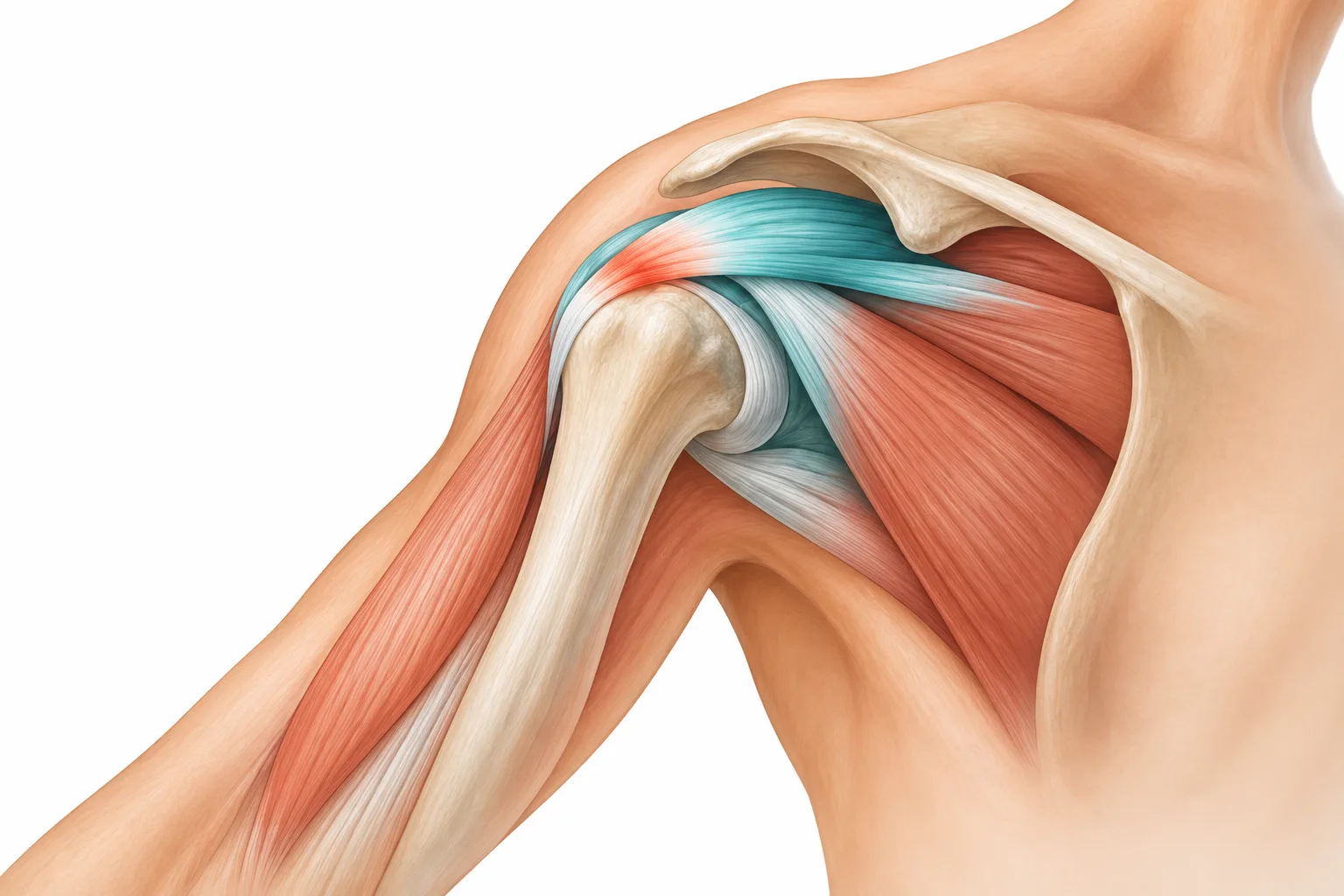
- — Tendinosis and tendonitis are often used loosely, but chronic tendon pain needs a careful history and examination rather than a label chosen from a scan report.
- — A tendon that has hurt for months may still improve, but recovery is usually gradual and depends on the tendon, load, strength, sleep, health factors, and whether another problem is present.
- — Non surgical tendon repair can include graded rehabilitation and selected image-guided procedures. Needle fenestration and a tendon scraping procedure are not interchangeable, and neither is right for every person.
- — Seek review for new weakness, a sudden injury, fever or redness, numbness, severe unrelenting pain, or symptoms that are getting worse instead of settling.
If a tendon has hurt for months, it is understandable to wonder why it will not heal. Tendinosis and tendonitis are common words for tendon problems, but they do not give the whole answer. Chronic tendon pain may improve with a carefully matched loading plan, yet the diagnosis, tendon involved, daily demands, strength, sleep, health history, and other nearby conditions all affect the path. A scan label should not replace an examination.
This guide explains the difference between tendinosis and tendonitis in plain language, why symptoms can persist, what non surgical tendon repair may mean, and where needle fenestration or a tendon scraping procedure may fit. These treatments are not universal fixes. They should be discussed only after the pain source and the goals of care are clear ("Tendon pain" review; PMID: 35850720).
Tendinosis vs Tendonitis: What Is the Difference?
A tendon connects muscle to bone and helps transfer force. Tendonitis is often used to suggest tendon inflammation, particularly when pain is recent or there is an irritable flare. Tendinosis is often used for longer-term tendon changes, including altered tendon structure. In real conversations, the terms overlap and are sometimes used interchangeably. The most useful diagnosis is the one that describes the person’s symptoms and guides safe care, not simply the word on a report.
A tendon can hurt when it is loaded, compressed, stretched, or surrounded by an irritated bursa or joint. Pain may also come from a nerve, the spine, a muscle, a partial tear, or a different joint. A visible tendon change can be present in someone without pain, while a very painful tendon may have modest imaging findings. The examination therefore asks what movements hurt, what function has changed, and whether the suspected tendon fits the pattern.
The tendon’s location matters. Achilles, patellar, rotator-cuff, elbow, wrist, and gluteal tendon problems have different loading demands and different rehabilitation choices. A plan copied from a video for one tendon can be a poor fit for another. The aim is not to prove that every symptom is “just tendonitis”; it is to identify the safest explanation that can be tested over time.
What Does Chronic Tendon Pain Mean?
“Not healing” can mean several things. The tendon may be exposed to more load than it can currently tolerate, or it may have become deconditioned after prolonged rest. Work, sport, walking distance, lifting technique, footwear, sleep, diabetes, inflammatory disease, smoking, medication, and body weight can all influence recovery without any one factor being the sole cause. Pain can also stay sensitive after the original flare has changed.
A persistent symptom may signal that the diagnosis needs revisiting. For example, marked weakness after an injury, pain travelling below the elbow or knee, night pain with systemic symptoms, joint stiffness, or pain that does not change with tendon loading can point toward another or additional problem. That does not mean the tendon is healthy; it means the treatment target should be checked before more loading or a procedure is chosen.
Recovery is usually gradual. A useful plan sets a tolerable starting load, observes the response over the next day or two, and progresses only when function is stable. The goal is not zero sensation during every exercise. The goal is a steady improvement in useful movement, strength, confidence, sleep, work, or sport participation without a pattern of escalating symptoms.
What Is Chronic Tendinopathy Treatment Based On?
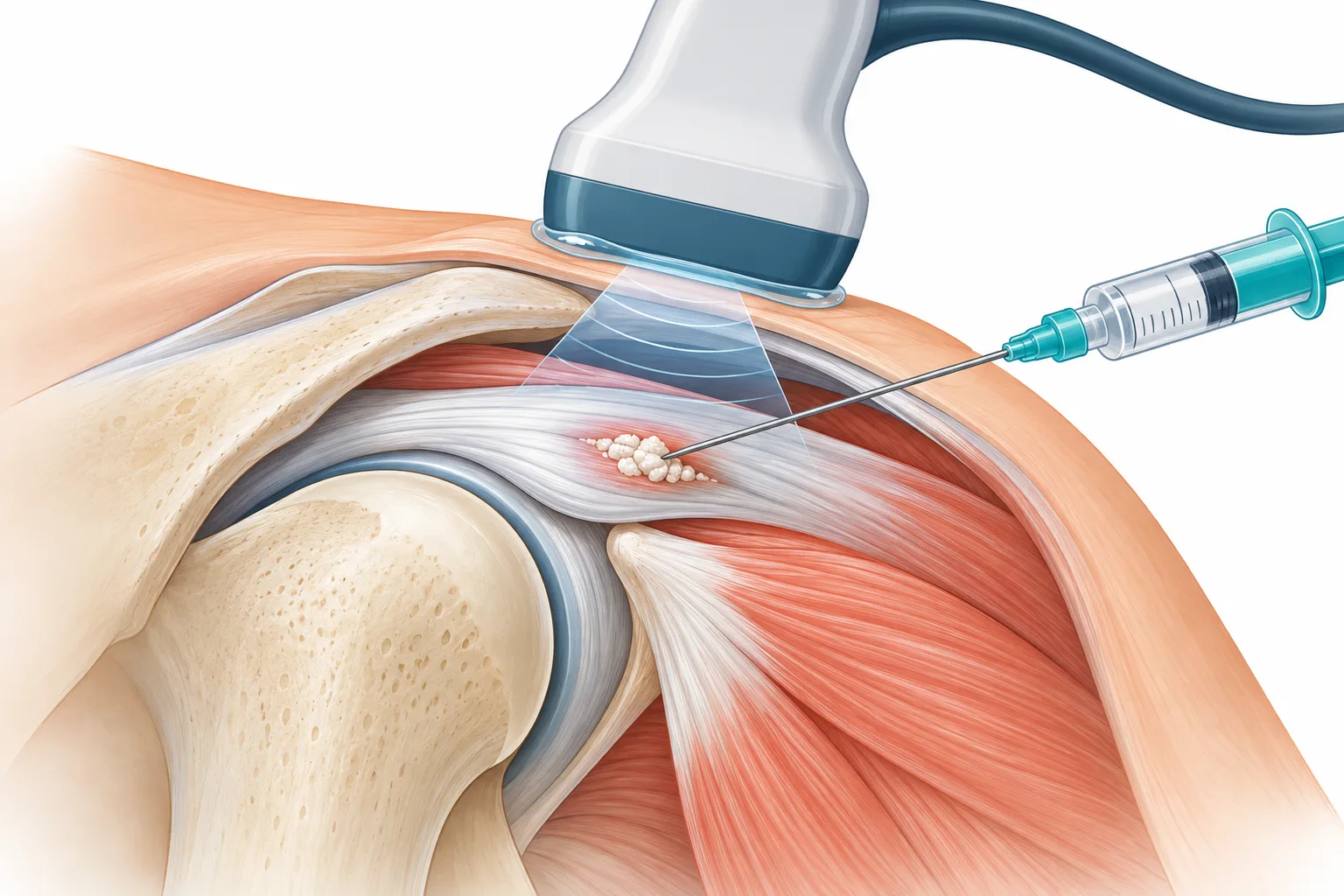
Assessment normally starts with the story: when the pain began, what changed, what loads provoke it, what helps, and how function has been affected. The clinician may examine strength, movement, tenderness, nearby joints, the spine, and nerves. Imaging can be helpful when the result will change the plan. Ultrasound can show tendon structure and movement in real time, while X-ray or MRI may answer different questions.
An ultrasound image is not a verdict by itself. Ask what finding is believed to explain the symptoms, what alternative explanations were considered, and how progress will be measured. If the proposed procedure is based on a small abnormality but the examination suggests a larger problem, it is reasonable to pause and clarify the working diagnosis.
Non surgical tendon repair is a broad phrase, not a promise that a tendon can be rebuilt without an operation. It may include education, temporary activity changes, medication advice that fits the person’s health, and progressive exercise to restore capacity. In selected cases it may also include an image-guided procedure intended to change pain or stimulate a healing response. The expected benefit and uncertainty should be explained in ordinary language.
What Does Tendinosis Treatment Usually Involve?
Tendinosis treatment usually starts by matching the tendon’s current capacity to the loads that matter in daily life. That may involve a temporary change in aggravating activity, a progressive strengthening plan, and review of sleep, medication, health conditions, and work or sport demands. A procedure is considered only when the diagnosis and goal are clear and the likely benefit justifies its risks.
How Is Tendonitis Treatment Different?
Tendonitis treatment may initially focus on settling an irritable flare and protecting movement, while chronic symptoms often need a longer capacity-building plan. The distinction is not absolute because tendon pain can involve inflammation, structural change, sensitivity, or another nearby problem. The clinician should explain what is being treated and when the plan will be reassessed.
How Does Physical Therapy for Tendinopathy Work?
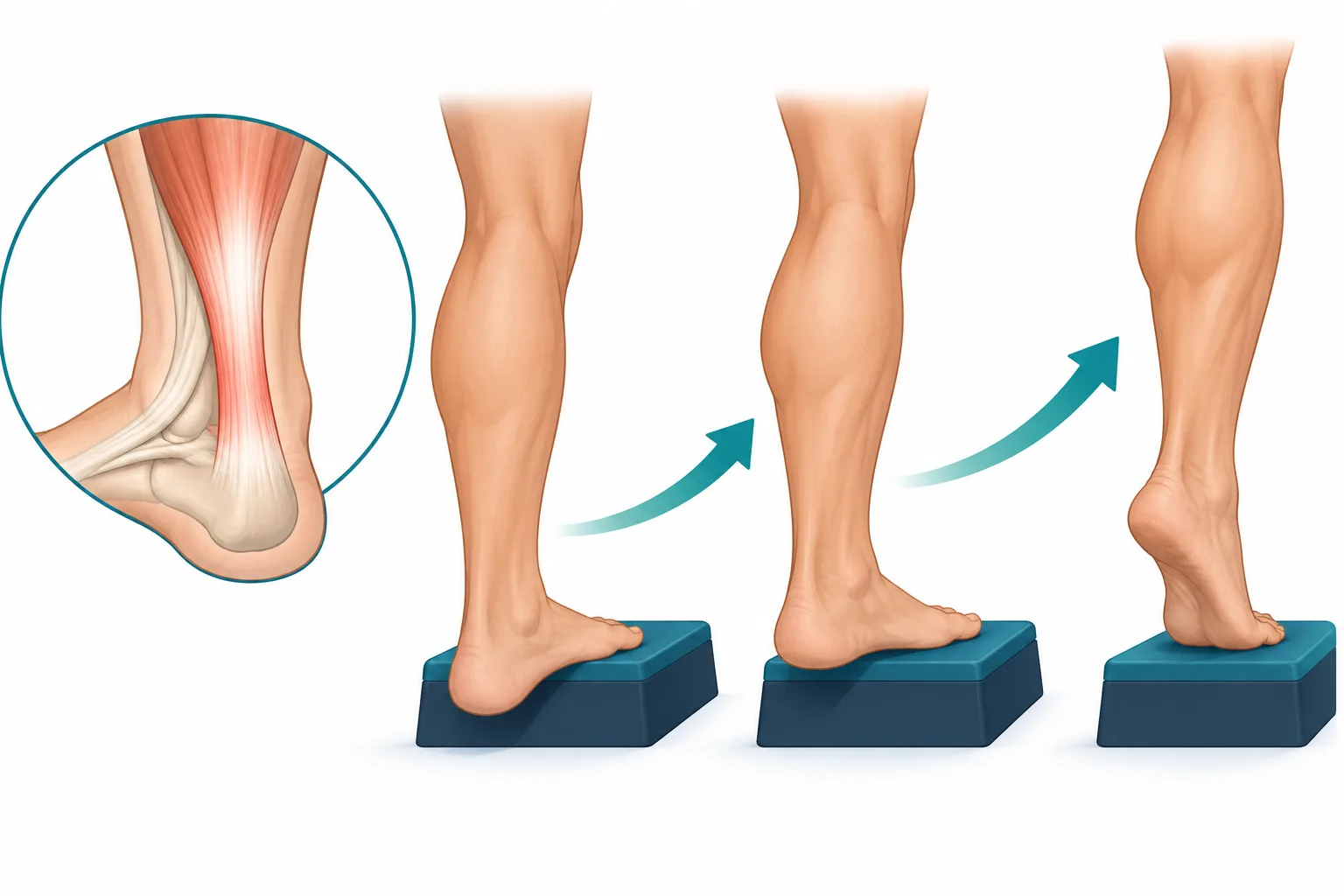
Physical therapy for tendinopathy is usually adjusted to the person’s starting capacity rather than prescribed as one universal exercise list. Rehabilitation may move from comfortable motion and low-load work toward stronger, more tendon-specific loading. A therapist may change repetitions, speed, range, resistance, work or sport modifications, and rest days. A sudden jump in exercise, repeated stretching into sharp pain, or complete immobilisation without a reason can all make a plan less useful.
| Option | What it may aim to do | Question to ask |
|---|---|---|
| Education and graded loading | Build usable strength and tolerance over time | How will the starting load and progress be chosen? |
| Medication or injection | Reduce selected pain or inflammatory symptoms | What problem is it targeting, and what are the risks? |
| Needle fenestration | Treat a selected tendon area under imaging | What evidence and fallback plan apply to this tendon? |
| Surgery | Address selected structural problems | Has the diagnosis and non-operative pathway been reviewed? |
Why Tendonitis Won't Heal After Resting?
Rest alone may not restore the strength and load tolerance needed for work, walking, lifting, or sport. If symptoms remain, review the diagnosis, load progression, adherence barriers, sleep and health factors, and whether another condition is contributing. Persistent pain deserves reassessment rather than indefinite rest or automatic escalation.
A clinician may reassess when pain affects sleep, work, walking, lifting, dressing, or exercise; when weakness is new or progressive; when symptoms began after a significant injury; or when a reasonable plan has not helped. Bring any imaging report, medicine list, relevant health conditions, and a short timeline of what has changed.
When Should Persistent Tendon Pain Be Assessed?
Seek urgent assessment for a major injury with deformity or inability to use the limb, fever or a hot red swollen area, rapidly worsening pain, new marked numbness or weakness, chest pain, shortness of breath, or symptoms that make you acutely unwell. Do not assume these warning signs are ordinary tendon inflammation.
If you are considering care in Vigan or nearby, ask which clinician will assess you, whether ultrasound is available when needed, which treatments are actually offered, what alternatives exist, and what follow-up is included. Availability and fees can change, so confirm them directly with the clinic rather than relying on an old post.
What About Procedures for Chronic Tendon Pain?
Needle fenestration is an image-guided technique in which a clinician makes controlled passes through a selected tendon area. A tendon scraping procedure can describe different needle-based or instrument-assisted approaches, so the name needs clarification. Ask what structure is being treated, whether the skin is punctured or an incision is made, what evidence supports the technique, and what rehabilitation follows.
Discuss bleeding risk, infection, nerve or vessel injury, temporary soreness, medication issues, diabetes, allergies, activity restrictions, wound care, and warning signs. A procedure should have a clear target, a realistic goal, informed consent, and a way to judge whether function is improving. A more invasive treatment is not automatically better, and technical success may not address pain from a nerve, joint, or nearby structure.
Chronic tendon pain can improve, but it usually needs a diagnosis that fits, a load plan that is realistic, and enough time to measure change. If a needle procedure is discussed, treat it as one part of shared decision-making—not as proof that the tendon can be repaired instantly.
If you want help clarifying the pain source and next step, you can request a rehabilitation assessment or contact the clinic. Bring your imaging report, medicine list, and a short description of what the tendon pain prevents you from doing.
Read our diagnostic musculoskeletal ultrasound guide to learn how imaging may fit into a broader assessment.
Chronic Tendon Pain Realities
A persistent tendon symptom is a clinical problem to understand, not proof that a tendon is permanently damaged.
Pain is not a direct damage meter
Pain can be influenced by load, sensitivity, sleep, stress, weakness, stiffness, and nearby structures. A scan finding should be interpreted with the examination and function.
Progress is usually measured in weeks
Tendon rehabilitation often needs a gradual increase in useful load. The right starting point and pace depend on the tendon, symptoms, work, sport, and health history.
Procedures are not a shortcut
Needle-based options may be considered for selected cases, but they still need a clear diagnosis, informed consent, realistic goals, and a recovery plan.
References & Clinical Evidence
- [1] Tendon pain - what are the mechanisms behind it? PMID: 35850720.
- [2] Is Chronic Tendon Pain Caused by Neuropathy? Exciting Breakthroughs may Direct Potential Treatment. PMID: 39028489.
- [3] Neural Modification To Treat Chronic Tendinopathy: Emerging Evidence and Opportunities for Pain Practitioners - A Systematic Review. PMID: 41457115.
- [4] Potential Nervous System Sensitization in Patients With Persistent Lower Extremity Tendinopathies: 3 Case Reports. PMID: 30759356.
- [5] Implications of tendinopathy on the sports career: Epidemiological and clinical profile of high-performance athletes. PMID: 39951859.
- [6] Patellar Tendinopathy Responding to Spinal Treatment: A Case Report Using Mechanical Diagnosis and Therapy. PMID: 40469643.
* Clinical references are provided to support the medical claims made in this article. TeraCare adheres to evidence-based practices in physical medicine and rehabilitation.

Dr. Ben Rabara
Dr. Ben Rabara is a Board-Certified Physiatrist specializing in Physical Medicine and Rehabilitation. He focuses on non-surgical, precision treatments for musculoskeletal conditions, utilizing advanced diagnostics like MSK Ultrasound.
Medical Disclaimer: The information provided in this article is for educational purposes only and does not substitute for professional medical advice, diagnosis, or treatment. Always consult a qualified physician for your specific health conditions.