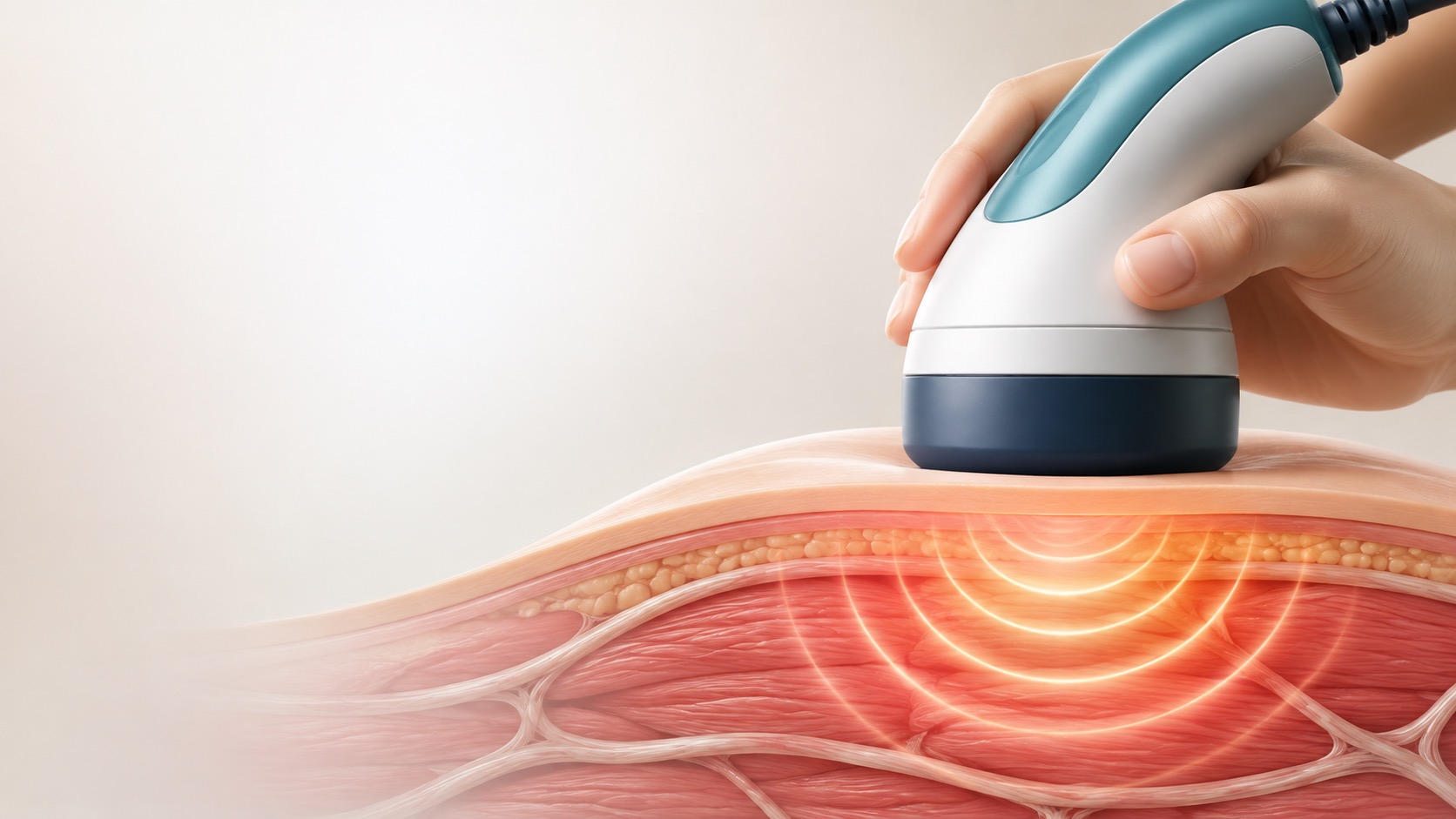
- — TECAR uses radiofrequency energy to produce controlled treatment-related heat; it is not the same as radiofrequency nerve ablation.
- — The proposed mechanism may include changes in warmth, circulation and movement tolerance, but “instant cell reset” is not established by the evidence reviewed here.
- — Some small trials found added short-term benefits when TECAR was combined with rehabilitation for selected conditions. Those results cannot be generalized to every injury.
- — Exercise, diagnosis, load management and functional goals remain central. TECAR should be considered an adjunct, not a replacement for rehabilitation.
- — A clinician should screen the person, treatment area, sensation, skin, wounds, implants and recent procedures before an energy-based modality is chosen.
When an injury is slow to settle, it is natural to look for a treatment that can speed the biology of healing. At TeraCare Clinic in Vigan City, Ilocos Sur, I explain TECAR carefully because it is often described in language about deep heat, cellular energy, ion movement and accelerated tissue repair. Some of those phrases describe a proposed mechanism; they are not proof that every injured tissue will repair faster. The most useful explanation is more careful: TECAR is a radiofrequency heat modality that may be used as an adjunct to rehabilitation for selected patients, while the evidence remains developing and condition-specific.
In my clinic, I look for the pattern behind the symptom before discussing an energy-based treatment. I ask whether the discomfort feels dull or sharp, local or radiating, stiff or heavy, and whether tingling, catching or grinding occurs. Then I use a simple standard: what does the treatment physically do, what have clinical studies measured, and does the result help a meaningful task such as walking, reaching, lifting, sleeping or returning to a sport? That sequence prevents a warm sensation from being mistaken for a biological guarantee.
This page is educational. It does not diagnose an injury, prescribe a device setting or promise a recovery timeline. The PubMed sources reviewed for this article were available at the abstract level. I therefore report only findings that are explicit in those abstracts and describe the limitations plainly.
How does TECAR therapy work?
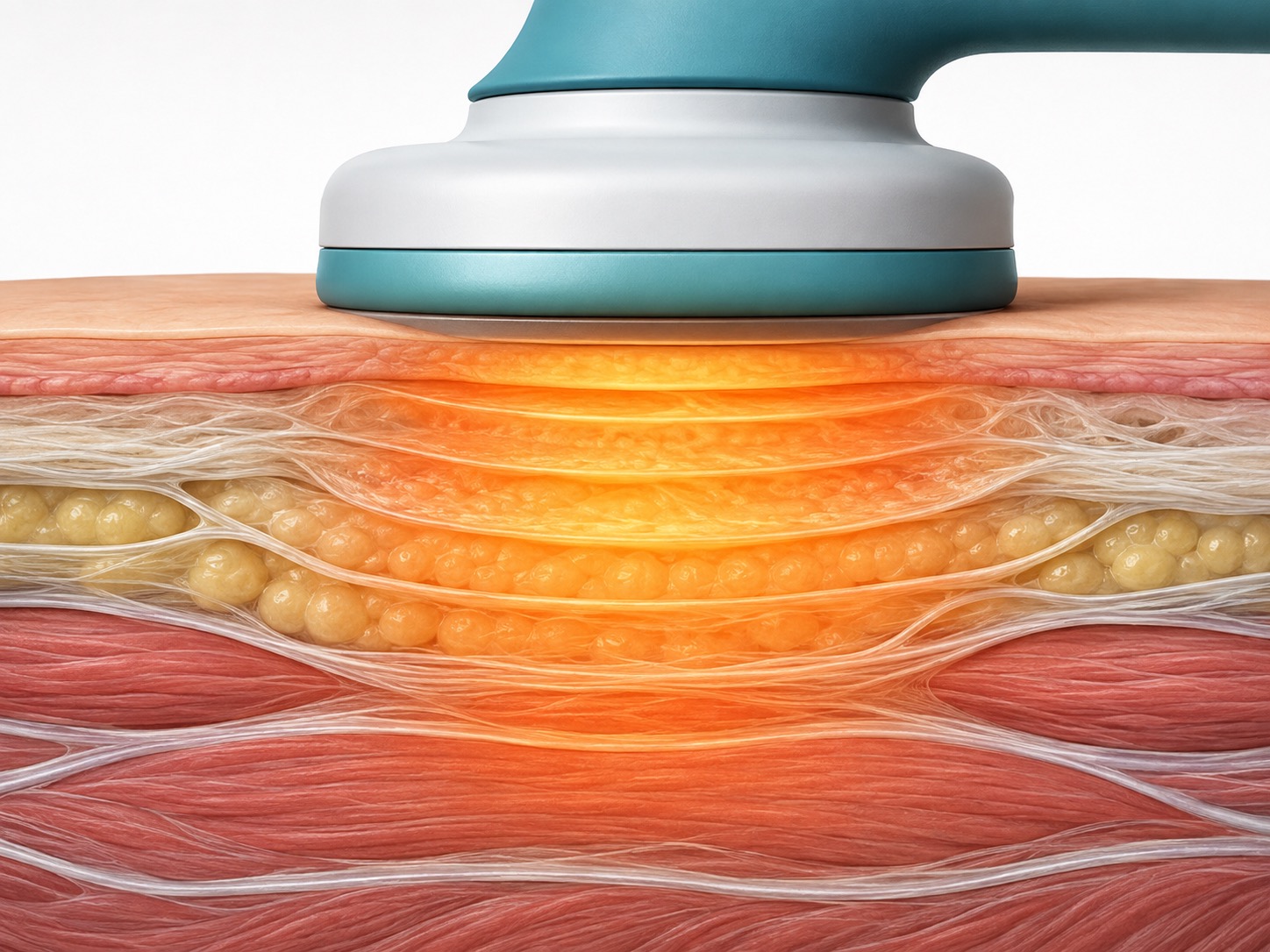
TECAR therapy uses capacitive and resistive radiofrequency energy to generate endogenous heat in a selected treatment area. The heat is intended to influence comfort and tissue conditions while the person receives or follows rehabilitation. I would describe that as a proposed treatment effect, not an instant “reset” of a damaged cell. A 2025 randomized trial abstract describes TECAR as generating heat in superficial and deep tissues while discussing microcirculation, inflammation and tissue regeneration as treatment-related concepts (Liu et al., 2025; PMID: 40389679).
In practical terms, an applicator is moved over the clinician-selected region while the patient reports the sensation. TECAR equipment uses capacitive and resistive radiofrequency energy; the exact experience depends on the equipment, treatment area and clinician’s protocol. Those practical details should not be turned into a universal dose because protocols vary across studies.
| What you notice | What it may mean | What it does not prove |
|---|---|---|
| Warmth or easier movement during a session | The input may be helping comfort or movement tolerance. | That damaged tissue has repaired or will heal faster. |
| Less pain after treatment | A short-term symptom change may be present. | That the original diagnosis is confirmed or permanently corrected. |
| Better performance of a planned task | The adjunct may be useful for that person and goal. | That the same protocol will work for every condition. |
The word endogenous means generated within the body. One randomized trial abstract describes capacitive and resistive electric transfer as using radiant energy to generate endogenous heat (Cueva et al., 2023; PMID: 37512085). That explains the phrase; it does not establish that the heat repairs cartilage, seals a tendon or removes the cause of pain. A mechanism can be biologically plausible and still need better clinical confirmation.
Patients sometimes hear about a “pro-ionic effect,” a phrase used to describe a proposed cellular mechanism. I do not use it as proof of an “instant cell reset” because the available abstracts do not establish that patient outcome. A responsible explanation keeps a proposed cellular theory separate from the pain, function and recovery measurements that studies actually report.
What is TECAR therapy?
TECAR therapy uses radiofrequency energy and an applicator to create treatment-related warming in a selected area. It is usually discussed within a broader rehabilitation program rather than as a replacement for examination, exercise or load management. A clinical commentary describes TECAR as gaining use in orthopedic and sports rehabilitation while also emphasizing small samples, variable protocols and limited long-term evidence (López et al., 2025; PMID: 40182911).
The distinction between a modality and a treatment plan matters. A modality is an input: heat, pressure, electrical stimulation or another physical agent. A treatment plan connects that input to a diagnosis, a tissue state, a functional limitation and a progression decision. If a person cannot climb stairs because of weakness, warmth may make movement more comfortable but cannot substitute for strengthening. If a knee is rapidly swelling, warmth should not be used to hide a change that needs assessment.
TECAR is also not the same as radiofrequency ablation. Ablation is a separate procedure that may target nerves or other structures and has its own indications, risks and evidence. Findings from studies of genicular-nerve ablation or other invasive radiofrequency procedures cannot be transferred to non-invasive TECAR. Similar words do not mean identical treatments.
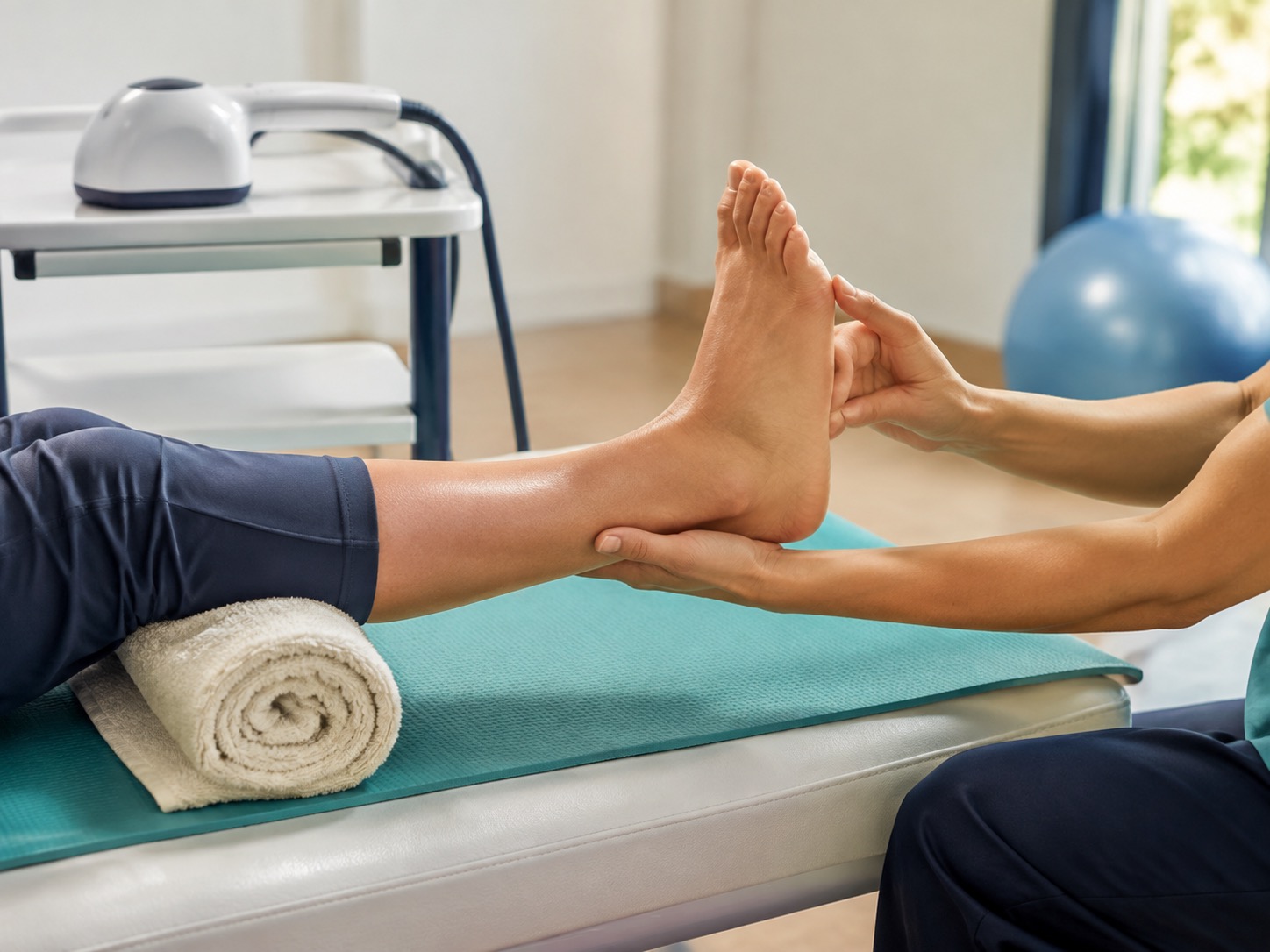
A typical session should include a clear goal and a way to monitor the response. For example, the goal might be to tolerate shoulder movement practice, begin a graded walking program or complete a therapist-guided exercise with less guarding. The warmth is useful only if it supports that goal without causing a burn, symptom flare or delay in evaluating the underlying problem.
What are TECAR therapy benefits?
Reported TECAR therapy benefits are best described as possible, short-term and condition-specific changes in pain, movement or function when TECAR is added to rehabilitation. A systematic review and meta-analysis found statistically significant pooled pain differences, but its abstract began by stating that TECAR’s use for musculoskeletal pain had not been clearly established (Rajaei et al., 2023; PMID: 36698689). The result supports cautious interest, not a universal promise.
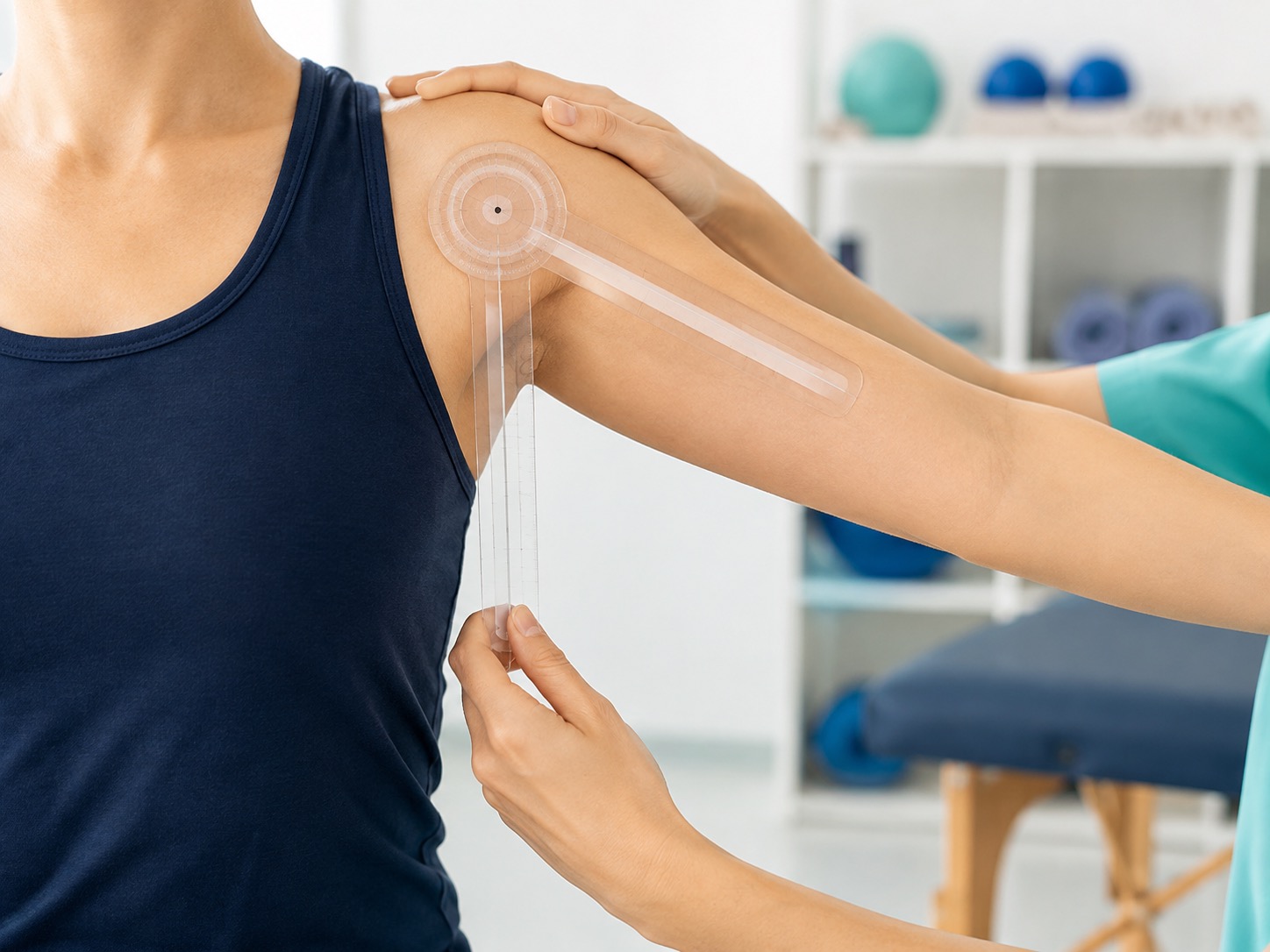
In adhesive capsulitis, a randomized controlled trial abstract reported that both groups improved after a tailored exercise program and other conventional treatment, while the group receiving additional TECAR showed greater improvements in pain and function (Liu et al., 2025; PMID: 40389679). That is a useful example of adjunctive care: TECAR was added to a plan, and the finding belonged to a particular shoulder condition. It does not show that TECAR alone caused every improvement.
In chronic non-specific low back pain, a randomized trial compared manual therapy, manual therapy plus TECAR and no treatment. The abstract reported better pain, disability and pressure-pain-threshold outcomes for the combined approach, but no additional improvement in lumbo-pelvic mobility from adding TECAR (Cueva et al., 2023; PMID: 37512085). That mixed result is clinically important: one measure can improve while another does not.
These studies do not justify saying that TECAR accelerates recovery from every injury. They suggest that the modality may be worth considering when the diagnosis is appropriate and the treatment is attached to a measurable rehabilitation task. I would review whether the person is moving, loading or functioning better after treatment, not simply whether the area feels warmer.
How does TECAR work during recovery?
During recovery, TECAR may work as a comfort or movement-tolerance aid that helps a person participate in the active part of rehabilitation. I would use it only when the tissue can safely tolerate the input and when the next step is clear: controlled range of motion, strengthening, walking, sport-specific loading or another function-based task. The goal is not to make the injury disappear during a session; it is to support a sensible progression.
Recovery is not a single biological switch. Early after an injury, protection and irritability may dominate. Later, the limiting factor may be weakness, fear of movement, reduced endurance, scar sensitivity, poor coordination or an overly rapid increase in load. A modality that helps one part of that picture may be irrelevant to another. The treatment decision should therefore change as the person’s tissue state and function change.
I also ask what happens after the session. Is the person able to complete the planned exercise? Does the improvement last long enough to practise? Is there more swelling, burning or pain later that day or the next morning? These observations are not a substitute for a trial, but they help decide whether continuing the same input is reasonable. If the only benefit is a temporary warm feeling, the plan deserves review.
For athletes, one randomized sham-controlled trial of male professional athletes with chronic adductor-related groin pain reported reduced pain across its assessment sessions, while the study abstract says most other secondary outcomes were not significantly different (Hajihassani et al., 2025; PMID: 39833747). That is a small, condition-specific example—not proof of faster return to sport or lower injury risk.
How can TECAR support muscle recovery?
TECAR may support muscle recovery when a clinician uses it to make a carefully selected rehabilitation task more tolerable, but it should not be sold as a shortcut around sleep, nutrition, graded loading, strength work or diagnosis. Evidence remains condition-specific, and young active adults in a study are not the same as every injured athlete or patient.
Muscle soreness, strain, tendon pain and nerve-related symptoms can feel similar at first but need different decisions. A person with a fresh traumatic injury may need protection and assessment. A person with ordinary post-exercise soreness may need recovery and gradual return to loading. A person with persistent weakness, bruising, loss of function or pain out of proportion may need a more specific examination. Heat should not delay that distinction.
My preferred muscle-recovery test is functional. Can the person walk with a more normal pattern, contract the muscle through an appropriate range, perform the next graded exercise or tolerate the next training step? The answer should be checked over time. If a treatment repeatedly improves comfort but the person cannot progress capacity, the modality is not solving the main problem.
Evidence is also different from a marketing slogan. “Deep heat” describes a physical experience; “accelerated tissue repair” is a clinical claim that requires appropriate outcome data. The available evidence supports studying TECAR and using it selectively, but it does not support a guaranteed healing speed, a universal session number or a promise that damaged tissue will be restored on demand.
Is TECAR therapy effective?
TECAR therapy may be effective for selected outcomes in selected conditions, but the overall evidence is not strong enough to call it universally effective. The systematic review of musculoskeletal pain reported pooled improvements while also showing substantial variation between studies, and the authors’ starting question was whether effectiveness had been clearly established (Rajaei et al., 2023; PMID: 36698689). Statistical improvement is not the same as a guaranteed meaningful benefit for one person.
The clinical commentary reviewed in this run identified promising findings for pain, range of motion and functional recovery but also highlighted small sample sizes, lack of long-term studies and variability in treatment protocols (López et al., 2025; PMID: 40182911). Those limitations affect how confidently I can transfer a study result to a different diagnosis, age group, stage of healing, device or rehabilitation program.
I would define a successful trial before starting: one task, one symptom or function measure, a reasonable review point and a stop rule. The task might be walking for a set period, reaching overhead, sitting through work or completing a prescribed exercise. If the person is not improving, if the effect is not durable or if symptoms worsen, repeating the same sessions automatically is not evidence-based care.
The answer also depends on what “effective” means. A small reduction in pain may be worthwhile if it allows safe exercise. It may not be enough if the person still cannot bear weight or has an unrecognized mechanical problem. A treatment can be useful as an adjunct without being a cure, and a positive study can be real without applying to every patient.
What are TECAR therapy side effects?
TECAR therapy should be discussed with the treating clinician and used according to the device instructions and the person’s clinical assessment. The available evidence reviewed for this page does not provide a universal side-effect rate, so this article does not give an exhaustive contraindication list or claim that the modality is safe for everyone. Report burning, sharp pain, escalating discomfort or a new unusual symptom during treatment.
Before treatment, the clinician should review the diagnosis, treatment area, skin, wounds, sensation, recent procedures and relevant medical conditions, using the device-specific instructions to decide whether the modality is appropriate. If the diagnosis or treatment area is uncertain, assessment should come before an energy-based modality.
Tell the treating clinician about any major medical condition, reduced sensation, implanted device, recent surgery, wound or other concern that could affect the treatment area. These details do not produce one automatic answer for every person; they determine whether the area, equipment and timing need additional review under the device instructions.
New severe pain, rapidly worsening swelling, major injury, new weakness or numbness, or concerning symptoms after surgery should be assessed promptly. After surgery, the operating team’s restrictions and wound status take priority. A modality should never delay evaluation of a changing or urgent problem.
Finally, do not use a treatment session as a test of whether an injury is healed. Pain can temporarily change while tissue capacity remains limited. Return to work, exercise or sport should follow clinical findings and progression criteria, not the number of sessions completed or the amount of warmth felt during the appointment.
How should TECAR fit into a recovery plan?
TECAR fits best when it has a defined supporting role inside a broader plan. I begin with the diagnosis and the person’s main functional limitation, choose an appropriate active intervention, and then decide whether warmth could make that intervention more tolerable. I reassess the task, the symptom response and the next-day reaction. If those checks do not support a meaningful benefit, I change the plan rather than repeat the modality by default.
- Identify the problem: clarify whether the limitation reflects pain, swelling, weakness, guarding, a mechanical block, altered sensation or another process.
- Choose a measurable goal: link treatment to walking, reaching, lifting, sleep, work, exercise or another activity that matters to the patient.
- Pair with active rehabilitation: use appropriate movement, strengthening, education and load progression instead of relying on heat alone.
- Monitor the response: record function, symptoms during treatment and the response later that day and the following morning.
- Reassess candidacy: stop and review the diagnosis if swelling, burning, new weakness, numbness or another concerning change appears.
This approach respects both sides of the evidence. It leaves room for TECAR to help a selected person participate in rehabilitation while refusing to turn a proposed mechanism into a promise. Current research is promising enough to justify careful study and selective clinical use, but limited enough that honest uncertainty belongs in the conversation.
TECAR Therapy Realities
The useful question is what changes in function after treatment—not how warm the skin feels during it.
Warmth Is Not Proof of Healing
A comfortable warming sensation may help movement, but it cannot by itself show that a tendon, muscle, joint or cell has repaired.
The Diagnosis Leads
The same modality is not automatically appropriate for a swollen joint, a healing wound, altered sensation, weakness or a mechanical block.
Function Sets the Test
A defensible plan names a task—walking, reaching, loading or exercise—and checks whether that task improves without an unacceptable flare.
References & Clinical Evidence
- [1] Clinical commentary: TECAR Therapy: A Clinical Commentary on its Evolution, Application, and Future in Rehabilitation. PMID: 40182911.
- [2] Systematic review and meta-analysis: Effects of Transfer Energy Capacitive and Resistive on Musculoskeletal Pain. PMID: 36698689.
- [3] Randomized controlled trial: Impact of TECAR therapy on pain and function in adhesive capsulitis. PMID: 40389679.
- [4] Randomized clinical trial: Short-Term Effects of Manual Therapy plus Capacitive and Resistive Electric Transfer Therapy in Chronic Non-Specific Low Back Pain. PMID: 37512085.
- [5] Randomized sham-controlled trial: The effects of TECAR therapy on pain, range of motion, strength and HAGOS in athletes with chronic adductor-related groin pain. PMID: 39833747.
* Clinical references are provided to support the medical claims made in this article. TeraCare adheres to evidence-based practices in physical medicine and rehabilitation.

Dr. Ben Rabara
Dr. Ben Rabara is a Board-Certified Physiatrist specializing in Physical Medicine and Rehabilitation. He focuses on non-surgical, precision treatments for musculoskeletal conditions, utilizing advanced diagnostics like MSK Ultrasound.
Medical Disclaimer: The information provided in this article is for educational purposes only and does not substitute for professional medical advice, diagnosis, or treatment. Always consult a qualified physician for your specific health conditions.