
- — High cortisol symptoms are a search phrase, not a diagnosis. Fatigue, poor sleep, weight change, pain, and feeling wired can have many causes.
- — Cortisol testing should match the clinical question. A wearable stress score or one home result cannot diagnose Cushing syndrome.
- — Stress-management skills may support sleep and coping, but they are not a guaranteed way to lower cortisol or cure chronic fatigue.
- — Delayed worsening after physical, mental, or emotional effort changes how activity should be paced and reviewed.
- — Progressive weakness, severe shortness of breath, fainting, chest pain, confusion, or suicidal thoughts need urgent medical help.
People often search for “high cortisol symptoms” when they feel exhausted, sleep poorly, gain weight, feel tense, or cannot recover after ordinary activity. Cortisol is involved in the stress response, but this symptom cluster does not prove that cortisol is high. The safer approach is to separate a stress response from endocrine disease, medication effects, sleep problems, post-infectious illness, ME/CFS, and other causes of fatigue before choosing a plan.
What do high cortisol symptoms actually mean?
“High cortisol symptoms” is a search phrase, not a diagnosis. Cortisol follows a daily rhythm and changes with illness, medicines, sleep, emotional stress, and the way a sample is collected. A symptom list or a wearable stress score cannot tell you whether you have Cushing syndrome or another endocrine problem. Testing has to match the clinical question and be interpreted with your history.
The biological connection is real but more complicated than social-media explanations suggest. A 2024 review describes stress as activating neuroendocrine pathways, including the hypothalamic-pituitary-adrenal axis, and explains that chronic stress may alter immune regulation and cortisol signaling (Alotiby, 2024; PMID: 39518533). That does not mean that every person under stress has pathologically high cortisol, or that every unexplained symptom comes from the adrenal glands.
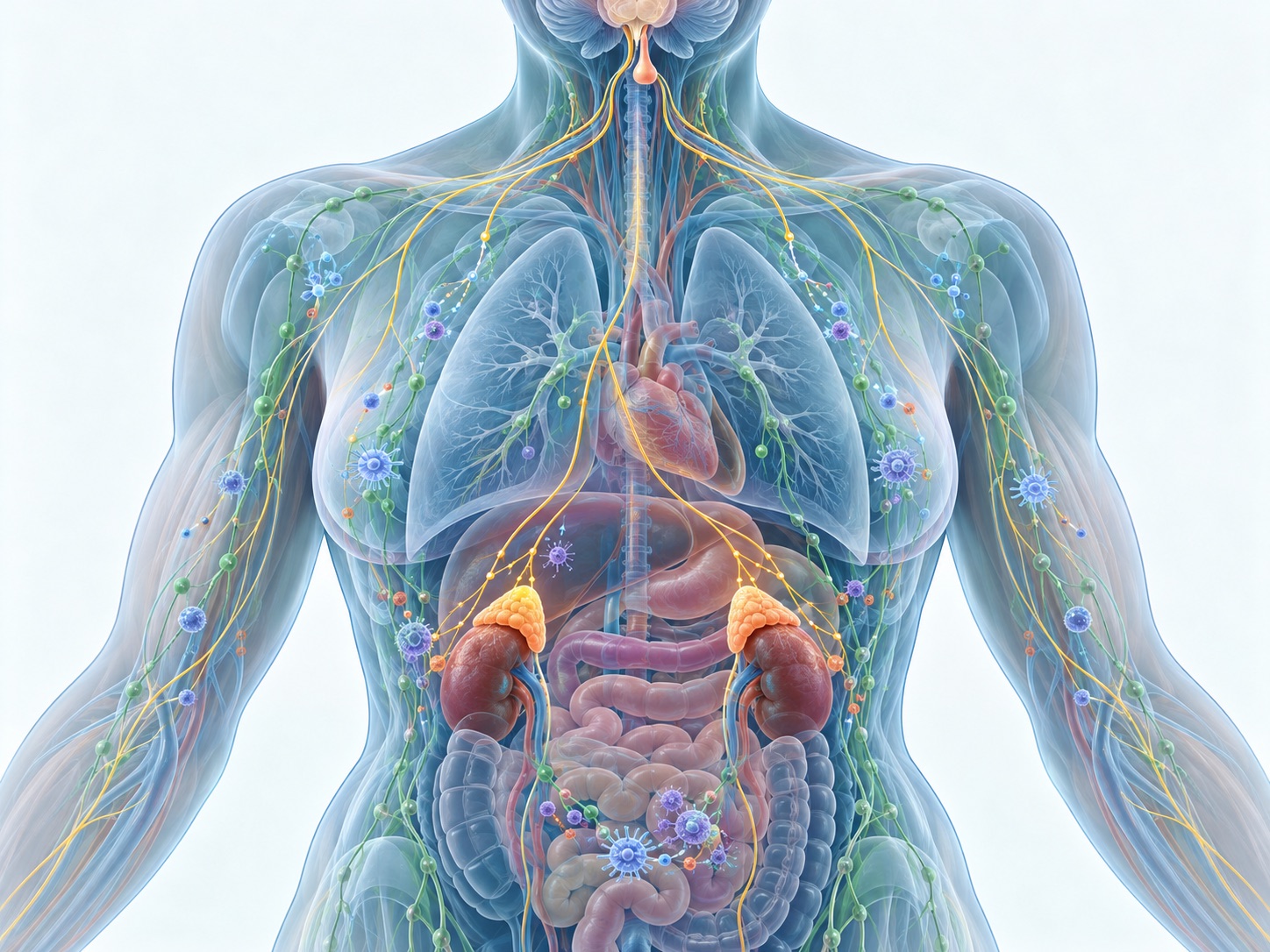
The queue brief proposed “adrenal burnout,” “toxic” abdominal weight gain, and direct stress-caused pain. Those phrases are not safe clinical conclusions. The adrenal glands do not simply run out of cortisol because a person has been busy or worried. Weight, pain, sleep, mood, blood pressure, menstrual changes, blood sugar, medicines, and activity tolerance can interact in several directions. The useful question is not “How do I lower cortisol fast?” but “What pattern is present, what needs checking, and what can I do without making symptoms worse?”
What are the signs of high cortisol, and what can mimic them?
People commonly describe a wired-but-tired state, difficulty falling asleep, waking early, increased appetite, weight change, headaches, irritability, poor concentration, muscle weakness, or feeling unable to relax. These descriptions deserve respect, but they overlap with sleep-disordered breathing, thyroid disease, anemia, diabetes, medication effects, depression or anxiety, pain, post-viral illness, autonomic problems, and ordinary sleep debt.
True cortisol excess is a medical condition with a broader clinical pattern. The possibility becomes more important when symptoms are progressive or occur with findings such as unusual bruising, fragile skin, marked muscle weakness, new difficult-to-control blood pressure or blood sugar, or other changes that a clinician can examine. A single home saliva result, morning blood result, or app score should not be used as a stand-alone diagnosis.
Fatigue also has different meanings. Some people feel sleepy; some feel physically weak; some feel mentally slowed; and some can function briefly but develop a delayed crash after activity. A patient who says “I am tired but wired” may be describing poor sleep, pain-related arousal, anxiety, medication effects, post-exertional malaise, or several of these at once. The body sensation is real even when the cortisol explanation is uncertain.
In clinic, I would ask when the fatigue began, whether it followed an infection, what happens after physical or mental effort, how sleep feels on waking, whether symptoms change when standing, what medicines and steroids are used, and whether there are red flags. I would also ask what the person has already tried. This prevents a long, expensive testing journey from becoming a substitute for a structured assessment.
The words people use can help organize that conversation. “Tired but wired” may point toward poor sleep, pain, worry, stimulant use, medication effects, or delayed post-exertional symptoms. “My heart races when I stand” raises a different question from “I fall asleep during the day.” “My muscles feel weak” needs an examination because true loss of power is different from fatigue, pain-limited effort, or feeling heavy. “Brain fog” may mean slowed thinking, poor sleep, dizziness, medication effects, mood symptoms, or a post-infectious syndrome. These distinctions are more useful than collecting a longer list of internet symptoms.
Some symptoms also need a separate pathway. New steroid exposure can change cortisol testing and can affect the adrenal system when medicines are changed abruptly. Snoring, choking at night, morning headaches, or waking unrefreshed may point toward a sleep-breathing problem. Dizziness on standing, a large heart-rate change, or near-fainting can require assessment of orthostatic tolerance. Fever, swollen joints, neurologic changes, or unexplained weight loss should not be explained by stress alone. The point is not to make the reader anxious. It is to prevent one appealing label from hiding a treatable alternative.
Which stress management techniques are reasonable starting points?
Stress management is not a cortisol cure. It is a set of skills that may help sleep, emotional regulation, coping, and day-to-day function while the underlying problem is being assessed. A 2023 review describes stress-management approaches as varied, combining health behaviors with cognitive and emotional strategies rather than relying on one universal technique (Worthen and Cash, 2023; PMID: 30020672).
Choose one small, tolerable practice and observe what it changes. Options can include slow breathing, a brief body scan, progressive muscle relaxation, guided imagery, mindfulness, a consistent wind-down routine, gentle movement, social support, or a referral for psychological therapy when anxiety, trauma, depression, or persistent worry is interfering with recovery. Mindfulness-based programs may teach breathing meditation, body scanning, and gentle yoga-inspired movement, but those examples are not a fixed prescription for every person (Worthen and Cash, 2023; PMID: 30020672).
Track the response rather than chasing a number. For one or two weeks, note sleep timing, activity, meals, pain, dizziness, stressors, medicines, and whether symptoms worsen later that day or the next. The purpose is not to prove that cortisol changed. It is to identify a pattern that can guide a safer discussion. If a breathing exercise makes you light-headed, shorten it or stop. If movement increases symptoms later, do not force progression because an online plan says exercise is always beneficial.
The common myth is that a more intense workout is the fastest way to burn off stress hormones. Exercise can be useful for many people, but intensity is not a treatment for an unconfirmed cortisol disorder. It can also be inappropriate when fatigue is accompanied by delayed post-exertional worsening, significant dizziness, chest symptoms, acute illness, or new neurologic signs. Stress-management skills should reduce threat and improve control, not create another performance test.
Which chronic fatigue syndrome symptoms change how activity should be paced?
Chronic fatigue syndrome, also called ME/CFS, is not diagnosed from tiredness alone. The clinically important clue is a pattern of substantial activity intolerance, unrefreshing sleep, cognitive problems, dizziness or other symptoms, and worsening after exertion in some patients. The delayed worsening may follow physical, mental, or emotional effort and can last longer than the activity itself.
This changes the rehabilitation question. If activity causes a delayed crash, the first goal is not to increase a fixed number of minutes every week. The first goal is to identify a tolerable baseline, reduce boom-and-bust cycles, and adjust physical and cognitive demands before symptoms become severe. A 2026 case report’s abstract specifically notes that post-exertional malaise can restrict exercise-based rehabilitation and cautions that causality cannot be inferred from a single case (Kanshoho case report, 2026; PMID: 41795493). That is a safety signal, not proof that one relaxation technique treats ME/CFS.

Pacing is not the same as permanent bed rest. It means planning activity around current tolerance, alternating types of demand, using rests before a crash, and reviewing the pattern with a clinician. A person may need to pace reading, meetings, travel, household tasks, and upright time as well as walking. The right baseline can change with infection, sleep loss, pain, medication changes, or an orthostatic problem.
The common myth is that a delayed crash proves a person is deconditioned and should push harder. That conclusion can be unsafe. Another myth is that every fatigue problem should be labeled ME/CFS. Both errors miss the need for differential diagnosis. A physiatry assessment looks at strength, balance, walking, joint and nerve symptoms, breathing and sleep clues, orthostatic tolerance, cognition, and the timing of symptom flares. The plan should be adjusted when the response is worse, not defended because the original schedule looked reasonable.
When should persistent fatigue or suspected cortisol symptoms be assessed?
Arrange a clinical assessment when fatigue is persistent, worsening, function-limiting, associated with weight or blood-pressure changes, or accompanied by delayed crashes after activity. Assessment is also important when symptoms began after an infection, when sleep is unrefreshing despite adequate time in bed, or when dizziness occurs on standing. A clinician can decide whether endocrine, sleep, neurologic, cardiopulmonary, mental-health, medication, or rehabilitation evaluation is appropriate.
Get urgent help for warning signs: chest pain, severe shortness of breath, fainting, new one-sided weakness, new confusion, severe dehydration, black or bloody stool, suicidal thoughts, or a rapidly deteriorating condition should not be explained away as stress or cortisol.
Bring a short timeline rather than a box of unorganized tests. Record when symptoms began, infections, steroid or hormone exposure, sleep, activity, weight change, blood pressure or glucose concerns, menstrual or sexual-health changes when relevant, and delayed responses to effort. Include supplements and commercial tests. A patient’s careful observations are useful, but they are starting points for clinical reasoning, not replacements for examination.
For people in Vigan, Ilocos Sur, and nearby provincial communities, the practical pathway may involve coordinating primary care, endocrinology, sleep evaluation, mental-health support, and rehabilitation rather than finding one “cortisol specialist” who does everything. The most efficient plan is usually the one that starts with the most decision-changing questions, avoids repeated low-value panels, and provides a clear review point when the first intervention does not help.
This is also why a consultation should end with a written next step. That may be a focused laboratory or endocrine referral, a sleep assessment, a pacing experiment, a medication review, or a follow-up after a defined interval. If the next step is unclear, the patient may respond by buying another panel or changing five supplements at once. A staged plan makes it easier to know what helped, what caused a flare, and when the working diagnosis needs to change.
Need help sorting fatigue and activity tolerance?
Bring your symptom timeline, medication list, and activity pattern to a focused rehabilitation assessment.
How does a physiatrist approach fatigue, pain, and activity tolerance?
I do not treat a search label. I look for the pattern that changes function: what the person can do, what triggers symptoms, how long recovery takes, and what happens after a change in load. A person with sleep-related fatigue needs a different pathway from someone with progressive muscle weakness, orthostatic symptoms, inflammatory disease, medication-related fatigue, or post-exertional worsening.
The first plan may be deliberately modest: stabilize sleep and medication information, choose one tolerable stress-management practice, reduce avoidable boom-and-bust activity, and track delayed symptoms. If the pattern suggests endocrine disease, the person needs appropriate testing and referral rather than supplements sold as “adrenal support.” If the main limitation is pain or movement intolerance, rehabilitation can focus on the specific tissues, nerves, balance systems, or functional tasks involved. If the person cannot tolerate the plan, that response is new clinical information.
Stress management can be useful even when it does not produce a measurable cortisol change. The goal may be better sleep, fewer panic-driven activity swings, improved confidence with pacing, or more predictable participation in work and family life. A 2024 review notes that stress responses vary between people and supports a personalized approach rather than a universal protocol (Alotiby, 2024; PMID: 39518533). The safest plan is therefore not the most dramatic one. It is the plan whose benefit, risk, and next decision are clear.

Family members can help by asking what the person can tolerate today rather than comparing today with a previous “good” day. Employers may need a clear description of delayed symptoms and planned breaks. These practical adjustments are not proof of a hormone disorder; they are ways to reduce avoidable overload while the clinical picture becomes clearer.
If your symptoms are persistent or worsening, use this guide to prepare for assessment rather than to diagnose yourself. “High cortisol” may be part of the question, but it should not be the end of the investigation.
Clinical realities of cortisol, stress, and fatigue
A careful answer keeps useful support while avoiding a label that can hide another treatable problem.
A symptom cluster is not a diagnosis
Poor sleep, fatigue, weight change, pain, and feeling tense can occur together for many reasons. The pattern and examination matter more than a longer internet checklist.
Delayed worsening changes the plan
When activity causes a later crash, pacing and review are safer starting points than assuming the person is simply deconditioned and should push harder.
The next decision should be clear
A good consultation ends with a focused next step such as medication review, sleep assessment, endocrine referral, pacing trial, or a defined follow-up.
References & Clinical Evidence
- [1] Alotiby AA. The role of the hypothalamic-pituitary-adrenal axis in stress and immune regulation. Abstract-only evidence review; PMID 39518533.
- [2] Worthen M, Cash E. Stress management interventions and health outcomes: a review of approaches. Abstract-only evidence review; PMID 30020672.
- [3] Kanshoho T, et al. Post-exertional malaise and exercise-based rehabilitation in a patient with ME/CFS. Abstract-only case report; PMID 41795493.
- [4] NIDDK. Cushing syndrome. National Institute of Diabetes and Digestive and Kidney Diseases patient guidance consulted for diagnostic context.
- [5] MedlinePlus. Cortisol test. U.S. National Library of Medicine patient guidance consulted for testing context.
- [6] CDC. Myalgic encephalomyelitis/chronic fatigue syndrome. Centers for Disease Control and Prevention guidance consulted for symptom and activity-tolerance context.
- [7] NICE. Myalgic encephalomyelitis (or encephalopathy)/chronic fatigue syndrome: diagnosis and management. National Institute for Health and Care Excellence guideline consulted for safety and pacing context.
- [8] Endocrine Society. Diagnosis and treatment of Cushing’s syndrome. Clinical practice guideline consulted for endocrine assessment context.
* Clinical references are provided to support the medical claims made in this article. TeraCare adheres to evidence-based practices in physical medicine and rehabilitation.

Dr. Ben Rabara
Dr. Ben Rabara is a Board-Certified Physiatrist specializing in Physical Medicine and Rehabilitation. He focuses on non-surgical, precision treatments for musculoskeletal conditions, utilizing advanced diagnostics like MSK Ultrasound.
Medical Disclaimer: The information provided in this article is for educational purposes only and does not substitute for professional medical advice, diagnosis, or treatment. Always consult a qualified physician for your specific health conditions.