The MRI Machine That Heals
When a joint 'freezes' or a muscle severely atrophies after surgery or a stroke, traditional physical therapy can be agonizingly slow. Therapists must forcefully pull on your stiff, painful limbs to gain mere millimeters of mobility. Muscle stimulation pads (TENS units) are frequently used, but they only buzz the surface of the skin and fail to reach the deep, immobilized tissue.
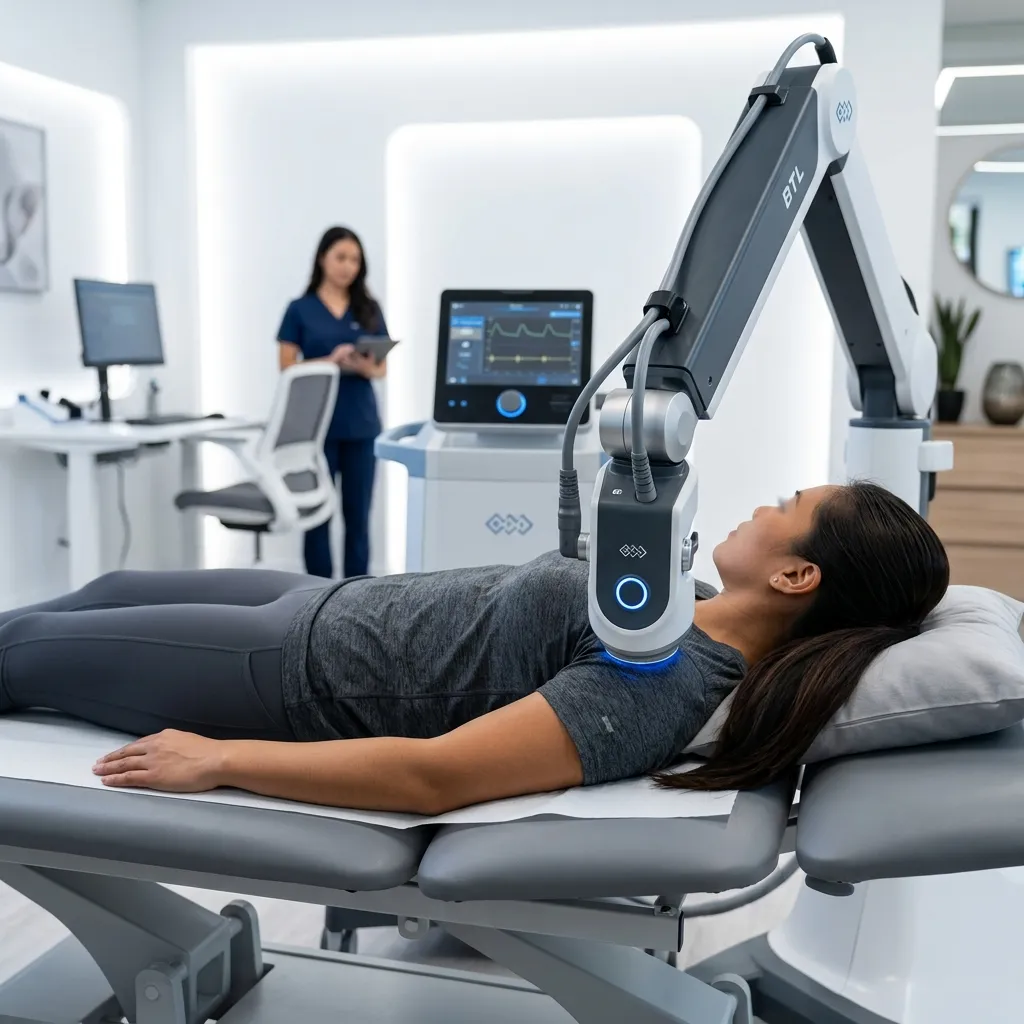
The Super Inductive System (SIS) entirely rewrites the rules of rehabilitation. This cutting-edge technology generates a focused electromagnetic field of up to 2.5 Tesla—the exact same magnetic strength used in hospital MRI machines. But instead of taking a picture, we use this immense energy to act as an 'invisible hand.' The magnetic field penetrates inches deep into your body—straight through your clothes and skin without touching you.
Conditions Repaired by Magnetic Energy
Is High-Intensity Electromagnetic Therapy Right for You?
The Ultimate Bionic Assist
We reserve the Super Inductive System for patients who need their rehabilitation timeline aggressively accelerated. If you feel "disconnected" from your limbs or your physical therapy has stalled, this is your solution.
Ideal indications
Your arm or leg has been stuck in a cast for months, and the muscle has withered away (muscle atrophy).
You have a 'frozen' joint that causes excruciating pain when a physical therapist tries to manually stretch it.
You recently suffered a bone fracture and want to speed up the healing time.
You are a stroke survivor struggling to regain control over weak or rigidly tight (spastic) muscles.
You suffer from chronic, deep nerve pain in your lower back that regular massages cannot reach.
Clinical precautions
You have a cardiac pacemaker or an implanted defibrillator (field will interfere with electronics).
You have metal implants, screws, or plates directly in the target zone (field can heat the metal).
You are currently pregnant.
Super Inductive System (SIS) Realities
Understanding the sensations of high-intensity electromagnetic therapy.
Intense Muscle Contractions
The electromagnetic field causes involuntary, powerful muscle contractions that can feel strange or intensely gripping, though rarely painful.
Temporary Autonomic Responses
Some patients experience mild, temporary sweating, skin flushing, or fatigue immediately following a high-intensity session.
Hardware Contraindications
SIS cannot be used over metal implants, pacemakers, or neurostimulators due to the extreme strength of the magnetic field.
Why Standard Therapy Tools Fall Short
Standard TENS
Uses sticky pads to deliver current to the surface. It only masks surface-level pain and cannot trigger deep muscle contractions.
Super Inductive System (SIS)
Uses a 2.5 Tesla magnetic field to penetrate deep into the body without touching skin. Effortlessly bypasses human limitations and guarding.
Manual Physical Therapy
A therapist pulls and stretches the joint. Highly reliant on the patient's pain tolerance. Often causes subconscious muscle guarding.
The Fast-Track to Mobility
Immediate Analgesia
You walk out feeling significantly looser. Magnetic fields 'jam' the pain receptors in your spine for a profound reduction in deep nerve pain.
Neuromuscular Rebuild
Sessions 2-3 times a week. During this phase, you are building rapid muscle mass and breaking down joint adhesions.
Return to Independence
The bionic assist is complete. Your muscles fire correctly, fractures have knit together, and joints are thawed.
Clinical Science & Technical Details
For our medical colleagues and highly analytical patients, we provide these transparent technical details on the pathophysiology and interventional protocols.
Explore the Clinical Science: Action Potentials and Osteogenesis
SIS operates on Faraday’s Law of Induction, inducing secondary electric currents deep within the peripheral nervous system. High frequencies (100-150 Hz) saturate A-beta fibers to 'jam' pain signals via Gate Control Theory.
Furthermore, focusing the electromagnetic field on osseous tissue creates piezoelectric effects that stimulate osteoblast proliferation and accelerate callus formation, cutting bone fracture healing times in half.
Detailed Diagnostic Pathways: Managing Neurological Spasticity
For post-stroke spasticity, SIS offers a neuro-modulatory approach. By applying specific frequencies over antagonist muscle groups, we induce reciprocal inhibition.
This fatigues the hyperactive neural loops in the spinal cord, leading to immediate relaxation of the spastic limb. This allows our therapists to perform active range-of-motion exercises without resistance.
Advanced Systemic Screening: Ferromagnetic Contraindications
Patient safety protocols are identical to MRI screenings. We strictly contraindicate patients with pacemakers, cochlear implants, neurostimulators, or insulin pumps.
External metal (jewelry, hearing aids, credit cards) must be removed. While titanium hardware is non-ferromagnetic, we use modified dosimetry to prevent eddy current thermal increases near the implant interface.
Managing Tetanic Contractions and Lactic Acid Clearance
SIS protocols elicit full tetanic muscle contractions, achieving recruitment levels far beyond voluntary capacity. To mitigate DOMS, we conclude each session with a 'washout' phase.
Low-frequency pulsing creates gentle muscle fasciculations that act as a muscular pump, accelerating venous return and flushing metabolic byproducts from the tissue.
Inside the Procedure: Frequency Modulation for Callus Formation
In non-union fractures, SIS utilizes specified frequency sweeps targeting the osseous matrix. Induced micro-currents across the fracture line mimic the body's natural piezoelectric effect from weight-bearing.
This artificial bio-electrical stimulation aggressively 'tricks' osteoblasts into migrating to the fracture site and rapidly laying down a hard calcified callus.
Neuroplasticity and Long-Term Motor Relearning
In stroke recovery, SIS forces a massive wave of proprioceptive and afferent feedback up the spinal cord to the somatosensory cortex. This intense bombardment forces the brain to rewire itself.
SIS does not merely strengthen the muscle locally; it actively forces the central nervous system to relearn motor control by building new neural pathways around damaged brain tissue.
The Contactless Healing Session
Fully Clothed Positioning
You remain fully clothed in athletic wear. You lie down on the table, and the robotic applicator arm hovers precisely one to two inches above the target joint.
The Magnetic Contraction
You will hear a loud, rhythmic thumping and instantly feel the magnetic field grab your deep muscles. They will involuntarily flex and release for 10-15 minutes.
Immediate Functional Integration
Once the machine turns off, we immediately capitalize on the 'pain-free window,' having you perform active movements with our therapists.
Common Questions
Does the Super Inductive System hurt?
I have pins/screws in my ankle from surgery. Can I still get SIS?
How is this different from High-Intensity Laser Therapy (HILT)?
Is Super Inductive System therapy covered by PhilHealth or my HMO?
Do I have to take my clothes off for the treatment?
References & Clinical Evidence
- [1] Clinical guidelines and evidence-based research supporting Super Inductive System (SIS) in Vigan City.
- [2] Relevant peer-reviewed literature on efficacy and safety outcomes in rehabilitation.
* Clinical references are provided to support the medical claims made in this article. TeraCare adheres to evidence-based practices in physical medicine and rehabilitation.
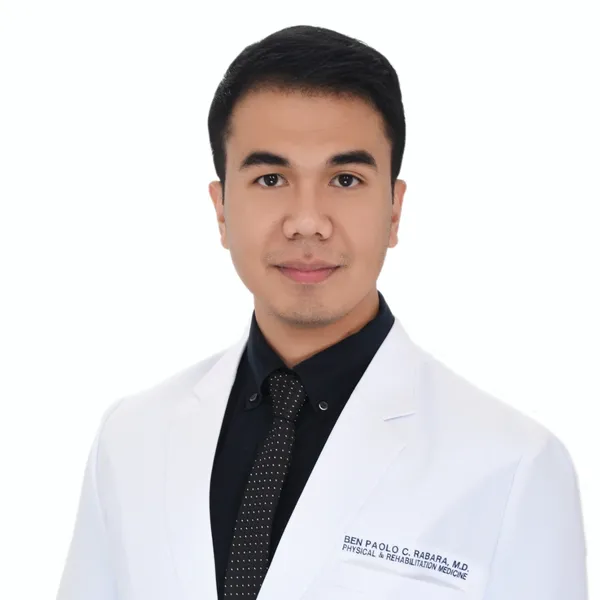
Dr. Ben Rabara
Dr. Ben Rabara is a Physiatrist in Vigan City specializing in Physical Medicine and Rehabilitation. He focuses on non-surgical, precision treatments for musculoskeletal conditions, utilizing advanced diagnostics like MSK Ultrasound.
Medical Disclaimer: The information provided in this article is for educational purposes only and does not substitute for professional medical advice, diagnosis, or treatment. Always consult a qualified physician for your specific health conditions.