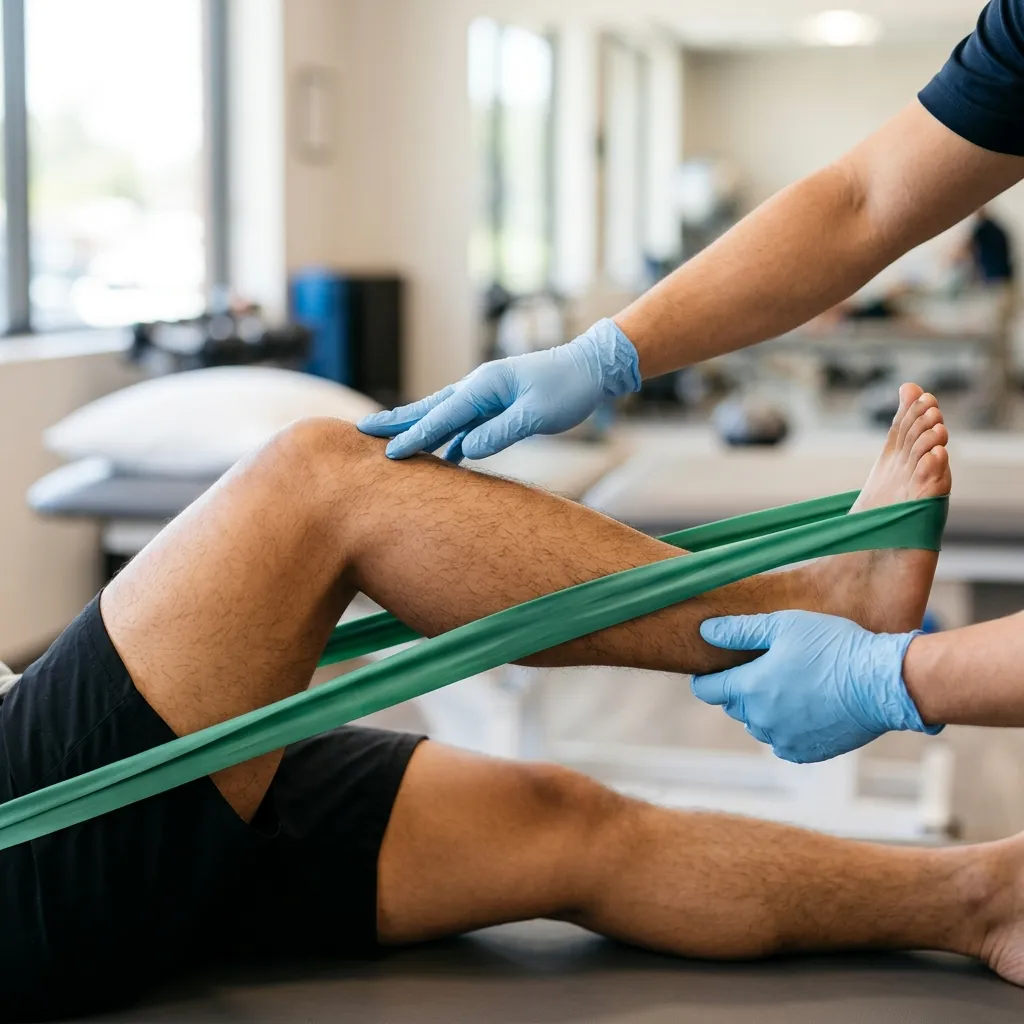
The Power of Physician-Led Rehabilitation
True healing requires much more than simply resting an injured joint or taking temporary pain medication. When a muscle tears, a joint is replaced, or the brain suffers a stroke, the body's natural movement 'software' is severely disrupted. Without guided, structural intervention, you will naturally develop 'compensatory movements'—limps and bad postures that inevitably lead to chronic pain in other parts of your body.
At TeraCare, Dr. Rabara designs highly specific, physician-led physical therapy blueprints. We divide our expertise into two pillars: Orthopedic Rehabilitation (rebuilding the structural mechanics of bones and tendons) and Neurological Rehabilitation (rewiring the brain-to-muscle connection). By attacking the root cause of your movement dysfunction, we don't just reduce your pain—we rebuild your internal support systems so you can move freely again.
Conditions We Actively Rehabilitate
Is Clinical Physical Therapy Right for You?
Ideal indications
You are recovering from orthopedic surgery and need to rebuild joint stability.
You have suffered a stroke and need to relearn how to walk or use your hand.
You have chronic back or knee pain that prevents work or sports activity.
You have a neurological condition like Parkinson's needing balance training.
Clinical precautions
You have an acute, unstable bone fracture (unless cleared by a surgeon).
Active systemic infections or deep vein thrombosis (DVT).
Acute cardiopulmonary instability that prevents safe physical exertion.
Neurological Physical Therapy Realities
Understanding the intense physical and mental demands of neuro-rehab.
Physical Exhaustion
Forcing damaged neural pathways to fire requires immense metabolic energy, leading to profound physical and mental fatigue after sessions.
Micro-Progressions
Improvements in spasticity, gait, and motor control are measured in micro-progressions over months, requiring immense patience.
Risk of Falls During Training
Challenging balance and gait inevitably involves a controlled risk of stumbling, which is why close therapist guarding is essential.
Passive Modalities vs. Clinical Specialization
Purely Passive Therapy
Relying on hot packs, basic ultrasound, and rub-downs with no active movement component.
Physician-Led Rehabilitation
A customized physiatric blueprint executed by therapists to rebuild muscle and rewire neural patterns.
The 3 Stages of Physical Rehabilitation
Pain & Swelling Management
Weeks 1-3. Focus on calming the injury, restoring range of motion, and learning joint protection techniques.
Motor Control & Stability
Weeks 3-6. Re-waking the muscles, correcting limps, and building foundational core support around the injury site.
Functional Independence
Weeks 6+. High-intensity training to prepare your body for the stresses of work, sports, and community navigation.
Find the right place to start.
These pages serve different needs: planning a clinic visit, choosing a rehabilitation pathway, understanding physical therapy, or exploring stroke-specific care.
Clinical Science & Technical Details
For our medical colleagues and highly analytical patients, we provide these transparent technical details on the pathophysiology and interventional protocols.
Explore the Clinical Science: Wolff’s Law & Mechanotransduction
In orthopedic rehab, Wolff’s law states that bone and connective tissue will adapt to the loads under which it is placed. Through mechanotransduction, the brain translates mechanical stress into cellular signals.
Our protocols use targeted directional stress to force fibroblasts to lay down organized collagen fibers, transforming weak scar tissue into dense, functional Type I collagen for long-term joint integrity.
Detailed Diagnostic Pathways: Gait Analysis & Kinetic Chains
We don't just look at the knee; we look at the entire kinetic chain—from the hip to the ankle. Gait analysis allows us to identify 'Trendelenburg' patterns or pelvic tilts that cause distal pain.
By correcting these deep-seated biomechanical flaws, we eliminate the compensatory stress that often leads to secondary injuries in post-surgical or chronic pain patients.
Neuromuscular Re-education: Rewiring the CNS via PNF
Proprioceptive Neuromuscular Facilitation (PNF) is a core technique in our neuro-rehab program. We use specific diagonal patterns and resistance to stimulate the CNS to reorganize.
By flooding the brain with sensory feedback during movement, we encourage 'axonal sprouting' around damaged neural zones, allowing stroke survivors to regain motor control over paralyzed limbs.
Metrics of Success: Standardized Functional Scoring
Progress is never a guess. We Establish baseline metrics using Manual Muscle Testing (MMT), goniometry for degrees of rotation, and balance scales like the Berg or Tinetti.
For neurological patients, we track the Modified Ashworth Scale for spasticity and gait speed metrics. This data-driven approach allows Dr. Rabara to adjust your blueprint in real-time based on your actual biological response.
Our Scientific Path to Movement Mastery
Physiatric Movement Analysis
Dr. Rabara evaluates your gait, range of motion, and neurological reflexes to identify exactly where the 'software' is broken.
Blueprint Execution
You work one-on-one with certified therapists, following a medically supervised progression to rebuild strength without re-injury.
Transition to Performance
We bridge the gap from clinical rehab to life, ensuring you can return to your favorite sports or daily activities with full independence.
Clinical decision support
How neurologic rehabilitation decisions are individualized
Neurologic physical therapy uses repeated, task-specific practice to address mobility, balance, transfers, endurance, and participation. The correct dose and activities depend on diagnosis, medical stability, cognition, communication, fatigue, fall risk, home environment, and the patient’s priorities. Recovery is rarely linear, and no exercise program can promise a particular amount or speed of improvement.
Assessment should also look for barriers that need medical or interdisciplinary attention, including new neurologic change, pain, spasticity, swallowing or communication problems, skin risk, orthotic needs, and caregiver capacity. Sudden weakness, facial droop, speech change, severe headache, chest pain, or acute breathing difficulty requires emergency evaluation rather than a therapy appointment.
How this evidence is applied at TeraCare
TeraCare records a functional baseline, chooses measurable tasks tied to daily life, teaches caregivers when appropriate, and adjusts or refers when progress, safety, or the examination points to a different need.
Medical review: Dr. Ben Rabara, Physiatrist · Evidence reviewed August 22, 2026. This information supports shared decision-making and does not replace an individual examination or emergency care.
Clinical sources: AHA/ASA Guideline for Adult Stroke Rehabilitation and Recovery.
How this treatment fits your care plan
Neurological Rehabilitation
Coordinated recovery of movement, communication, swallowing, positioning, and daily function.
Your exact sequence depends on the diagnosis, safety screening, and response to treatment. A physiatrist will recommend only the steps that fit your case.
Where this treatment is available
Availability is generated from each active branch’s service record.
Common Questions
How long does a stroke recovery program take?
Do you treat children?
What should I wear to my PT sessions?
Can I just do the exercises at home?
Is PT covered by PhilHealth?
References & Clinical Evidence
- [1] Clinical guidelines and evidence-based research supporting Physical Therapy & Neurological Rehab in Vigan City.
- [2] Relevant peer-reviewed literature on efficacy and safety outcomes in rehabilitation.
* Clinical references are provided to support the medical claims made in this article. TeraCare adheres to evidence-based practices in physical medicine and rehabilitation.
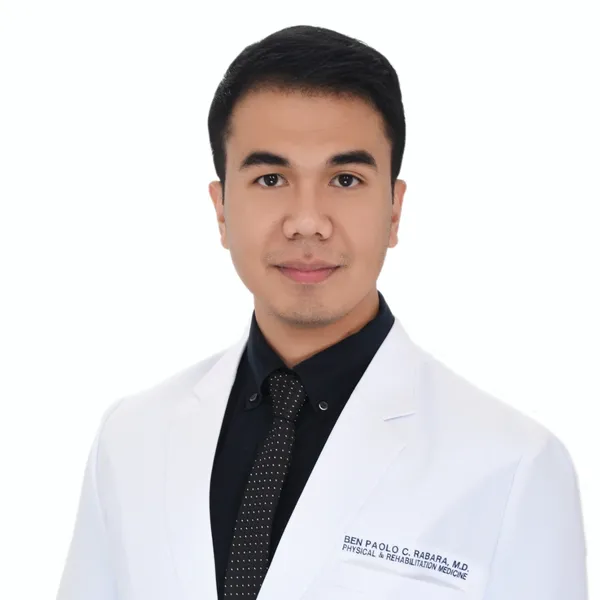
Dr. Ben Rabara
Dr. Ben Rabara is a Physiatrist in Vigan City specializing in Physical Medicine and Rehabilitation. He focuses on non-surgical, precision treatments for musculoskeletal conditions, utilizing advanced diagnostics like MSK Ultrasound.
Medical Disclaimer: The information provided in this article is for educational purposes only and does not substitute for professional medical advice, diagnosis, or treatment. Always consult a qualified physician for your specific health conditions.
Physical Therapy & Rehab Guides
Expert resources for neurological recovery, post-surgical joints, and chronic spinal health.