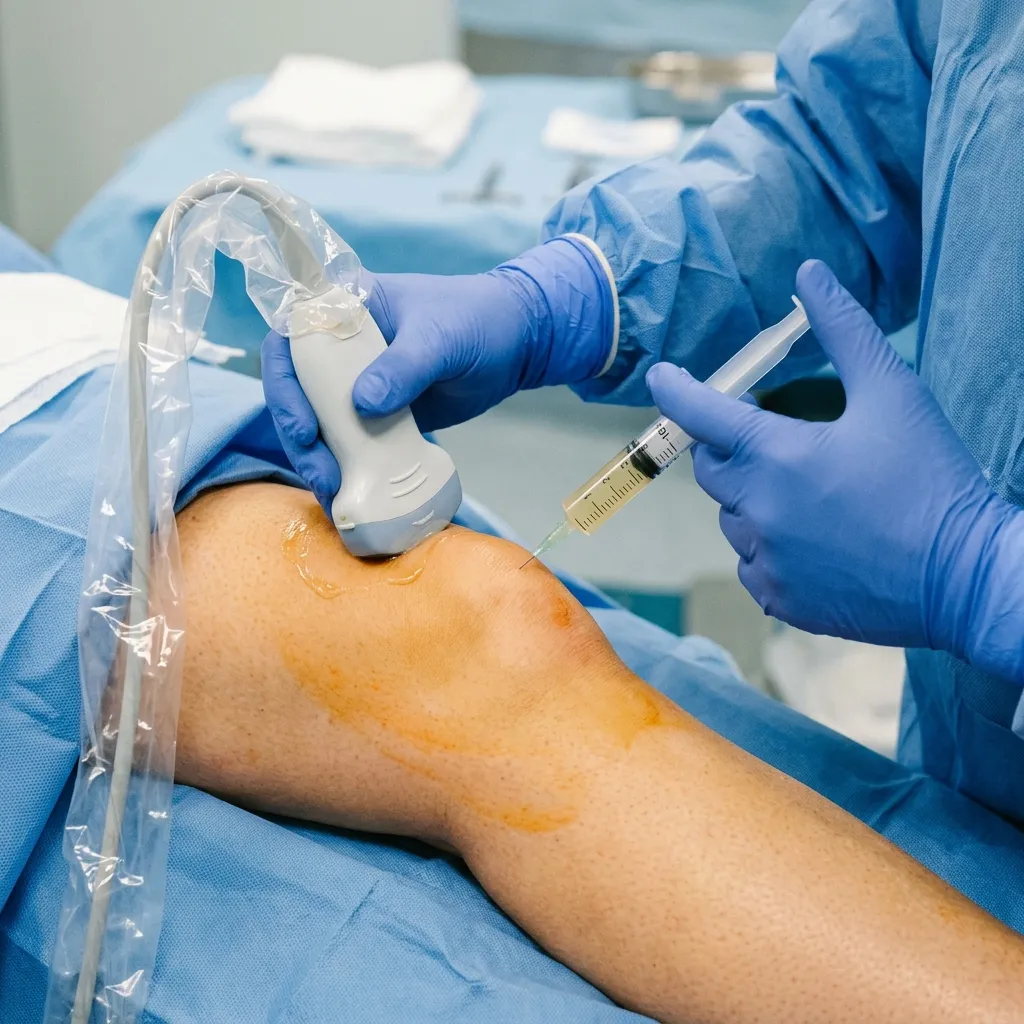
What is Platelet-Rich Plasma (PRP) Therapy?
For decades, the standard medical approach to chronic joint pain has been masking the symptoms with oral medications or applying temporary patches with corticosteroid injections. Regenerative Medicine represents a fundamental shift in physiatry. Instead of merely suppressing the pain, PRP therapy actively utilizes the healing properties inherent in your own body to address the structural root cause of your discomfort.
Your blood contains platelets, which are packed with specialized proteins called 'growth factors.' When you sustain an injury, your body naturally rushes these platelets to the site to initiate repair. PRP therapy takes this natural biological process and amplifies it. By drawing a small sample of your blood, concentrating these platelets in a centrifuge, and precisely re-injecting them into your damaged joint or tendon, we deliver a powerful, concentrated dose of healing factors exactly where your body needs it most.
What Conditions Can Regenerative Medicine Treat?
Is a Guided PRP Injection Right for You?
Regenerative medicine is highly effective, but it is not a universal cure. During your comprehensive consultation, Dr. Rabara will conduct a thorough musculoskeletal evaluation to determine if your specific condition will respond to orthobiologic treatments.
Ideal indications
Chronic tendon, ligament, or joint pain that has not responded to rest or PT.
Seeking to delay or avoid invasive orthopedic surgery.
Desire to reduce reliance on pain meds or repeated steroid injections.
Clinical precautions
Complete 'bone-on-bone' advanced osteoarthritis.
Active systemic infections, blood disorders, or malignancies.
Currently taking high doses of blood thinners or systemic steroids.
Platelet-Rich Plasma (PRP) Realities
Understanding the biological healing timeline of orthobiologics.
Acute Inflammatory Flare
PRP intentionally triggers an inflammatory healing cascade, often resulting in increased pain, stiffness, and swelling for 3 to 7 days.
Delayed Structural Healing
Unlike steroid shots that mask pain instantly, PRP orchestrates tissue repair, meaning clinical improvements take 4 to 8 weeks to become noticeable.
Strict NSAID Prohibition
Patients must strictly avoid anti-inflammatory medications (like Ibuprofen) before and after the procedure, as these block the crucial platelet action.
How Does PRP Compare to Traditional Treatments?
Corticosteroid Injections
Suppresses inflammation temporarily. Relief lasts weeks to a few months.
Regenerative Medicine (PRP)
Stimulates biological tissue repair and cellular growth. Long-lasting functional improvement.
Joint Replacement Surgery
Removes the biological joint and inserts artificial components.
What to Expect After Your Procedure
The Inflammatory Phase
You may experience localized soreness and swelling as the growth factors initiate the healing process.
The Proliferation Phase
Soreness subsides. You will begin structured, gentle physical therapy to support new tissue formation.
The Remodeling Phase
Expect progressive improvements in joint mobility and measurable reductions in chronic discomfort.
Clinical Deep-Dive: The Science of PRP
Advanced orthobiologic insights into how your own blood heals damaged joints.
The Biology of Platelet-Rich Plasma
The therapeutic potential of PRP lies within the alpha-granules of your platelets. When these platelets are concentrated and subsequently activated at the site of injury, they release a potent cocktail of bioactive signaling proteins.
This includes PDGF (Platelet-Derived Growth Factor) for cell replication, VEGF for angiogenesis, and TGF-beta1 for collagen production. By concentrating these factors up to 5-10 times their baseline levels, we provide a massive biological stimulus to tissues like tendons and ligaments that naturally have poor blood supply.
Advanced Indications: Tendinopathy vs. Osteoarthritis
Biologically, a 'tendinopathy' (like Plantar Fasciitis) is often a state of stalled healing. PRP restarts this clock by introducing fresh PDGF and VEGF to stimulate fibroblast activity.
In the joint, PRP acts as a powerful modulator, shifting the environment from breakdown (catabolism) to repair (homeostasis). While PRP cannot usually 'regrow' lost joint space in advanced stages, it is highly effective in mild-to-moderate stages (Kellgren-Lawrence Grade 1-3) for reducing pain and delaying joint replacement surgery.
The 3-Step Clinical Process
Comprehensive Joint Evaluation
We conduct a thorough clinical and ultrasound assessment to confirm your diagnosis and ensure PRP is the appropriate clinical pathway.
Blood Draw & Centrifuge Processing
We safely draw a small volume of your blood and process it in a specialized medical centrifuge to isolate the platelet-rich plasma.
Ultrasound-Guided Precision Delivery
Utilizing high-resolution ultrasound imaging, Dr. Rabara precisely guides the concentrated PRP directly into the damaged structural tissue, ensuring maximum clinical efficacy.
Clinical decision support
What current evidence says about platelet-rich plasma
Platelet-rich plasma is prepared from the patient’s blood and is being studied for several tendon and joint conditions. Protocols differ in platelet concentration, leukocyte content, preparation, dose, and rehabilitation, so results from one product or diagnosis do not automatically apply to another. Some studies report symptom improvement, while guideline conclusions remain inconsistent. PRP should not be described as proven cartilage regeneration or a guaranteed way to avoid surgery.
Candidacy depends on a specific diagnosis, symptom duration, previous care, comorbidities, medications, and realistic goals. Risks include pain flare, bruising, bleeding, infection, and failure to improve; patients may also face meaningful out-of-pocket cost. Standard rehabilitation and other established options should be discussed alongside PRP.
How this evidence is applied at TeraCare
TeraCare limits consideration to a defined clinical target, explains the uncertainty and alternatives in plain language, and uses function-based follow-up rather than claims of tissue “renewal” that cannot be confirmed clinically.
Medical review: Dr. Ben Rabara, Physiatrist · Evidence reviewed August 22, 2026. This information supports shared decision-making and does not replace an individual examination or emergency care.
Clinical sources: AAOS Clinical Practice Guideline: Management of Osteoarthritis of the Knee; ACR/Arthritis Foundation Guideline for Osteoarthritis Management.
How this treatment fits your care plan
MSK, Joint & Tendon Care
Diagnosis, symptom control, tissue repair, and return to movement for joint, muscle, and tendon problems.
Your exact sequence depends on the diagnosis, safety screening, and response to treatment. A physiatrist will recommend only the steps that fit your case.
Where this treatment is available
Availability is generated from each active branch’s service record.
Common Questions
How long does the PRP procedure take?
Is the injection painful?
Is PRP covered by PhilHealth or my HMO?
Can I drive myself home after the injection?
Do I need physical therapy after my PRP injection?
References & Clinical Evidence
- [1] Clinical guidelines and evidence-based research supporting Regenerative Medicine (PRP).
- [2] Relevant peer-reviewed literature on efficacy and safety outcomes in rehabilitation.
* Clinical references are provided to support the medical claims made in this article. TeraCare adheres to evidence-based practices in physical medicine and rehabilitation.
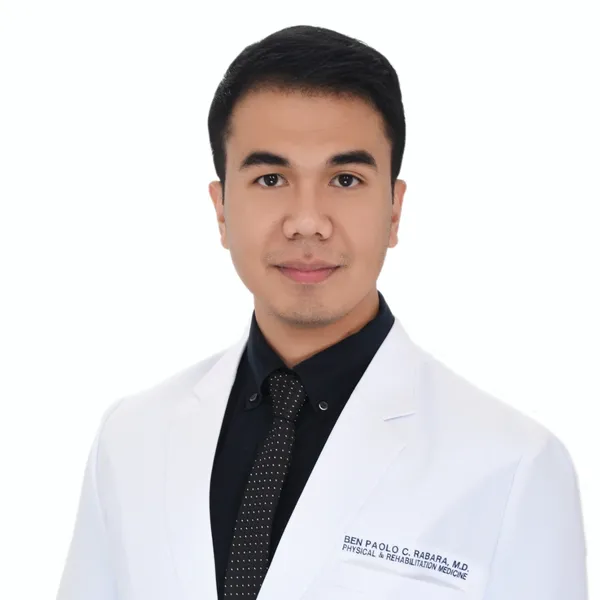
Dr. Ben Rabara
Dr. Ben Rabara is a Physiatrist in Vigan City specializing in Physical Medicine and Rehabilitation. He focuses on non-surgical, precision treatments for musculoskeletal conditions, utilizing advanced diagnostics like MSK Ultrasound.
Medical Disclaimer: The information provided in this article is for educational purposes only and does not substitute for professional medical advice, diagnosis, or treatment. Always consult a qualified physician for your specific health conditions.
Comprehensive PRP & Prolotherapy Guides
Deep-dives into non-surgical joint repair and regenerative medicine.